




Top 10 Tips for Creating Your Own Magazine
If you need a professional way to present your brand or company, a magazine is a perfect option. Lots of people choose brochures, but brochures are somewhat limited in the message that they can convey. They inform, but they do not fully engage. A magazine on the other hand allows you to tell a story. It stays in your customer’s hands longer and delivers a premium experience. After you understand how to publish a magazine, you unlock a powerful marketing tool.
In this guide, we’ll walk you through how to create and publish a magazine, and show you a company that used a magazine to give their customers a luxury brand experience.
Before you start making your magazine, you need to define your purpose, create engaging content, and choose high quality printing materials. Understanding magazines ensures the final result reaches the right audience and conveys a polished, professional experience that strengthens your brand.
Top 10 Tips for Creating Your Own Magazine
If you want to fully understand how to make a magazine and publish it successfully, these tips will guide you from concept to completion.
1. Define Your Purpose:
Prior to starting your design, think about why you’re creating your magazine in the first place.
Are you telling your company’s story, displaying your products, boosting customer loyalty, or providing lifestyle content? Your purpose will guide everything from layout to imagery, and ensures your magazine achieves its goals.
2. Understand What a Magazine Is:
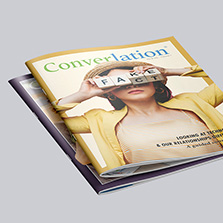
A magazine does more that a simple brochure. It has multiple pages, tells a story, delivers imagery, and provides an immersive experience
Knowing the ins and outs of magazines allows to produce meaningful content your readers will enjoy, rather than just listing services.
3. Know Your Audience:
Your readers’ preferences should shape every decision.
Think about their age, hobbies, what they read, and their lifestyle. When it comes to Fly Alliance, the magazine delivers high-end visuals, sophisticated design, and aspirational content that matches the in-flight experience.
4. Plan Your Content Flow:
Arrange your publication into easy to read sections. These can include product highlights, lifestyle stories, features, and interviews.
Think about the reader journey from cover to back page, and ensure each section builds on the next. Storyboarding or wireframing your pages can help visualize flow before design begins.
5. Focus on Visual Storytelling:
Strong imagery can make or break a magazine.
Look into high quality photography, use good graphics, as well as
Invest in professional photography, high-quality graphics, and cohesive color palettes. Telling a story using visuals allows you to deliver more emotion, better portray your brand, and keep your audience engaged throughout the magazine.
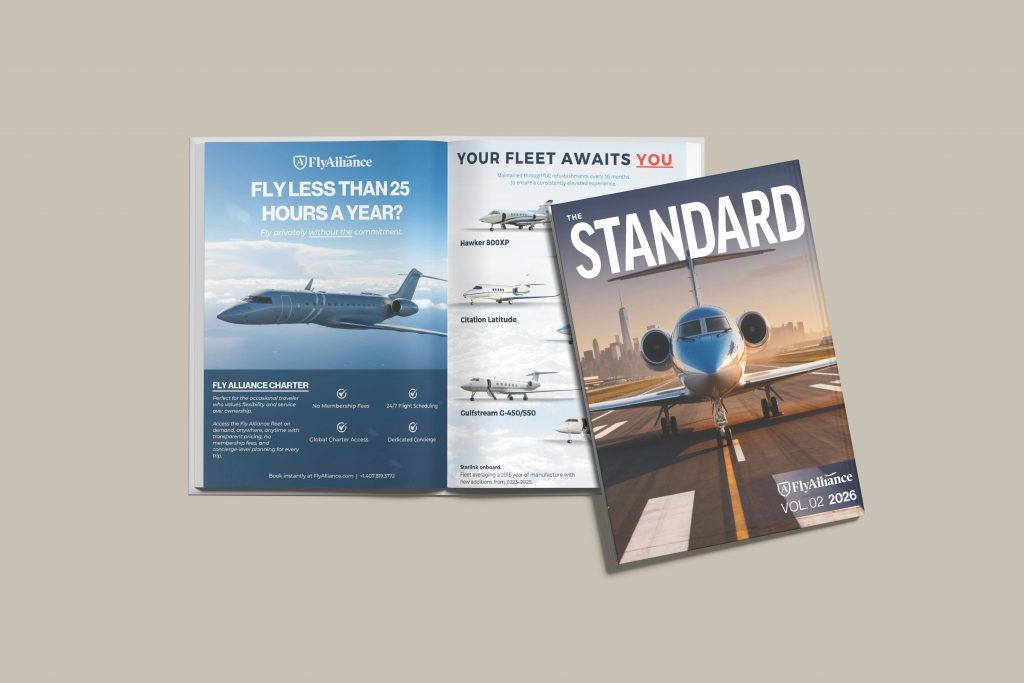
6. Choose the Right Size and Format:
The physical dimensions of your magazine matter.
Try using popular sizes like 8.5 x 11. These dimensions fit comfortably in your reader’s hands, and gives you more space for detailed layouts. You can make use of specialty sizes for specific purposes, but you need to make sure it lines up with your audience’s expectations and distribution plans.
7. Select Premium Materials:
Paper weight, finish, and binding all affect perception.
Using matte paper gives your publication a sophisticated appearance. Using gloss paper allows your images to “pop” out. Perfect binding gives your magazine a polished, professional finish, making it feel more like a book. If your magazine is shorter, go for saddle stitch. Remember, your magazine is an extension of your brand, so materials matter.
8. Design for Readability:
Even the most beautiful magazine fails if it’s hard to read.
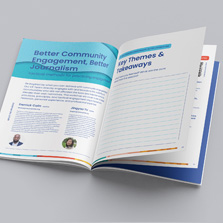
Use whitespace to make your magazine less cluttered, use legible fonts, and break text into bite sized pieces. Make sure to use subheadings, quotes, and bullet points to guide the reader through the story naturally.
9. Use Tools and Templates:
If you are new to magazine design, tools like the Free Online Design Tool, Free Adobe Templates, or Canva templates can save time and maintain professional quality.
Templates give structure, while still allowing customization for your brand.
10. Plan How to Publish a Magazine:
Creating a magazine is only half the battle, you need to think strategically about how to distribute it.
Decide whether you will offer it in local shops, events, direct mail, or unique placements like onboard flights like Fly Alliance. Pairing design with a strong publishing plan ensures your magazine reaches the right audience and creates impact.
Real Customer Example
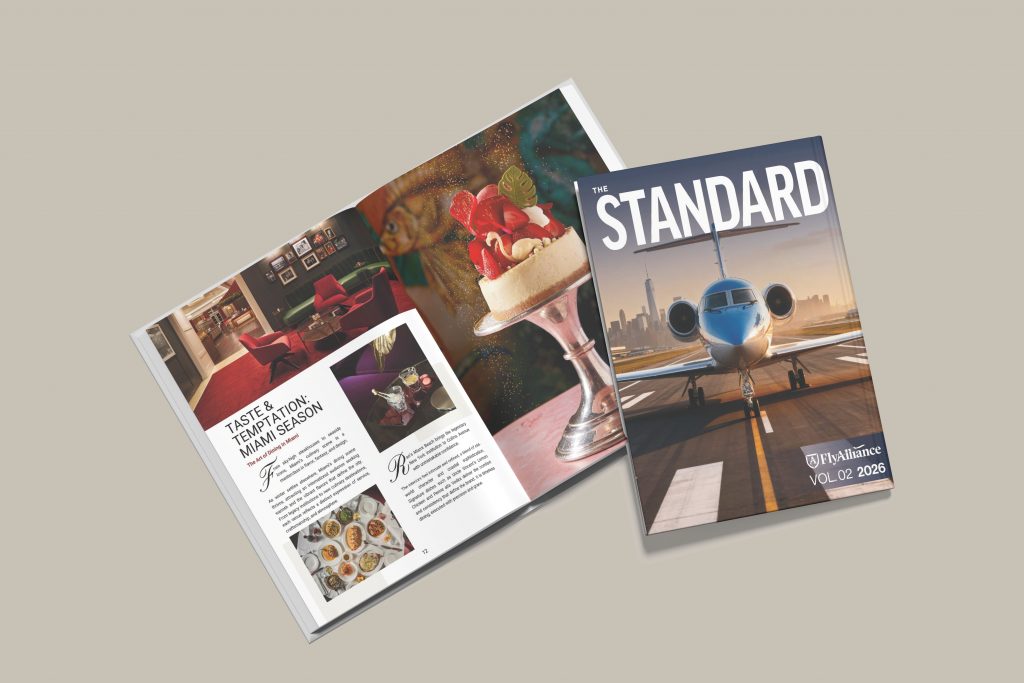
Fly Alliance is a full-service private aviation company. They’re dedicated to transforming the way their customers experience private flights. The Fly Alliance team pulls together expertise, efficiency, and an unwavering focus on safety and service. You can discover all of what Fly Alliance has to offer on their official website and connect with them on Facebook, YouTube, Instagram, and LinkedIn.
The Inspiration
In the beginning, Fly Alliance planned on using a brochure to offer their services. They wanted to inform potential clients and present their offerings clearly.
However, the leadership at Fly Alliance saw magazines as a far more effective means of showcasing their services. Instead of simply sharing information, they could create an experience.
The Challenge
The brochure format did not match the Fly Alliance brand. Their service is built on luxury, detail, and personalization, and the printed piece needed to reflect that.
A brochure was simply too basic. They required something that felt as premium as their in-flight experience.
The Solution
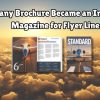
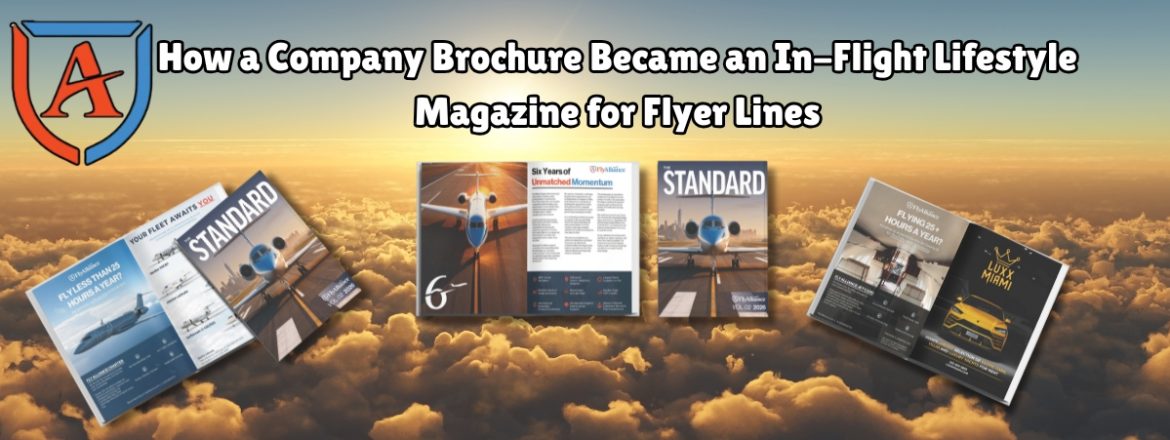
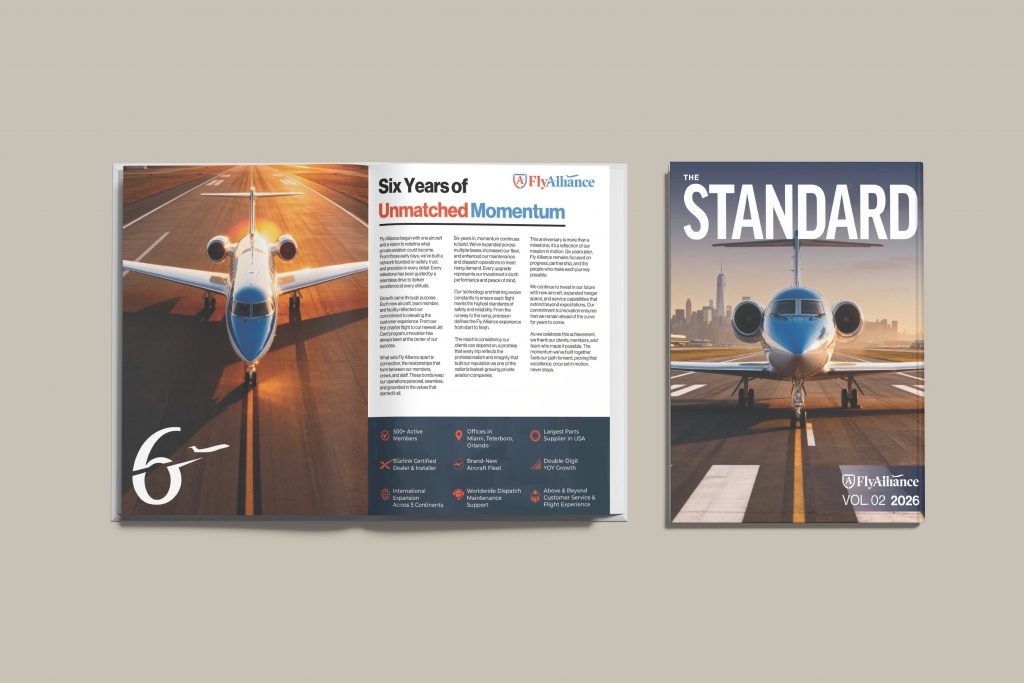
Fly Alliance transformed their brochure into a professionally bound lifestyle magazine designed to live onboard their aircraft.
This decision also answered how to publish a magazine in a unique and effective way. Instead of traditional distribution, the magazine was placed directly into the hands of their ideal audience during flights.
The Impact
By understanding what a magazine is and how to publish a magazine strategically, Fly Alliance created a high-impact brand touchpoint.
Their passengers now spend their flights reading Fly Alliance’s magazine, creating a deeper connection that builds trust, and creates a better overall brand experience.
“When you learn how to make a magazine, you are not just creating content, you are creating an experience your audience will remember.”
What Is a Magazine?
If you’re new to printing, you might not be familiar with what goes into a magazine. Unlike a brochure, a magazine has multiple pages, and combines a story, provides imagery, and structures it’s content that engages its readers.
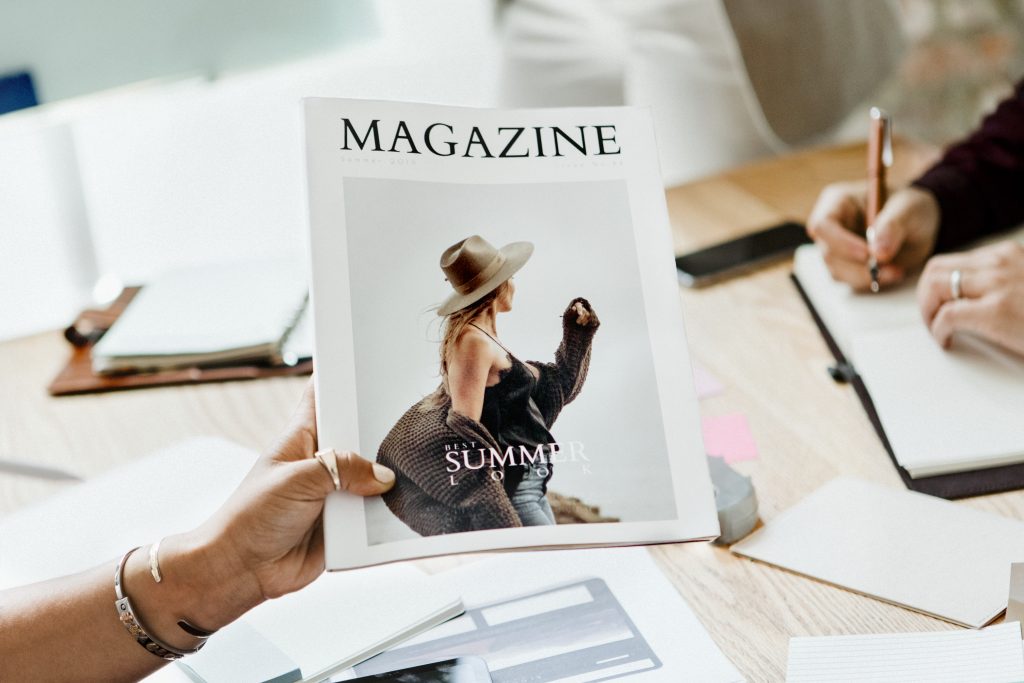
Unlike brochures, magazines are designed to be read, explored, and kept.
Businesses use magazines to:
- Tell their brand story
- Showcase services or products
- Educate and inspire customers
- Create a premium, lasting impression
Popular Magazine Print Specs
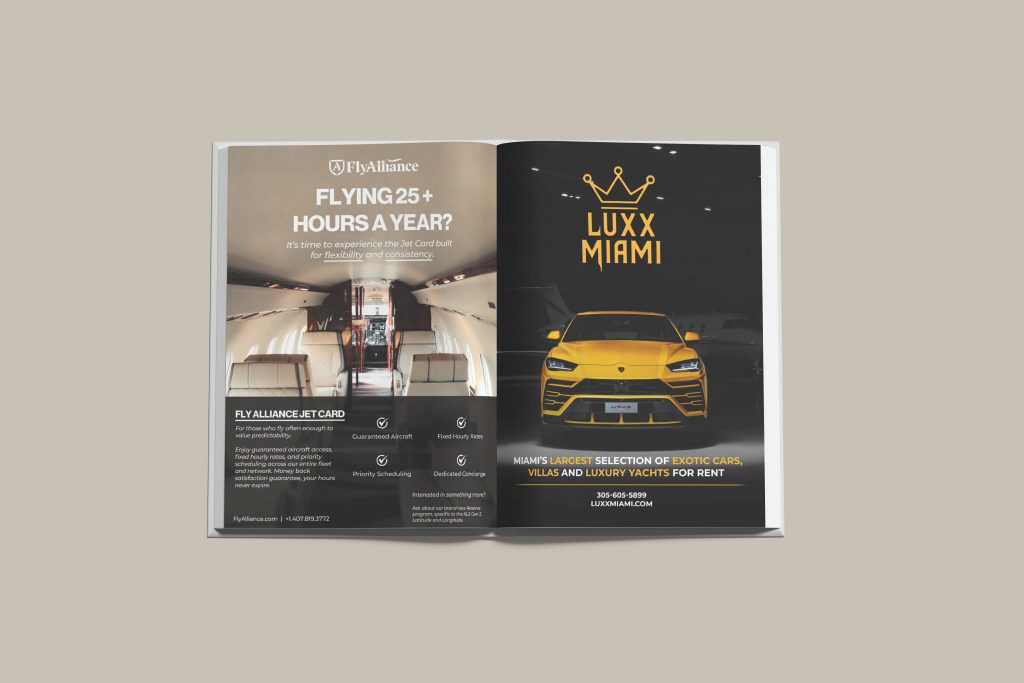
Specs:
Size 8.5 x 11 (8.5 x 11 Inch)
Binding Perfect Bind
Pages 48
Cover Ink (4/4) Full Color Both Sides
Inside Ink (4/4) Full Color Both Sides
Cover Paper 100# Cardstock Matte (11 pt.)
Inside Paper 100# Paper Matte (6 pt.)
Cover Finish Soft Touch Lamination
Other Popular Options
- Gloss paper for vibrant imagery
- Saddle stitch binding for shorter magazines
- Specialty finishes for added texture and impact
Timeline for Creating Your Magazine
Before Production
Start your magazine by thinking about your layout and what you want to include. Use tools like the Free Online Design Tool or Canva templates to simplify the design process.
During Production
Submit your files and take advantage of a Free File Review to ensure everything is print-ready and accurate before production begins.
After Distribution
This is where understanding how to publish a magazine becomes critical. Think about where your audience will naturally interact with your content.
Options include:
- Direct mail campaigns
- Events and trade shows
- Retail or office spaces
- In-flight placement like Fly Alliance
Design Tips for a Better Magazine
Your magazine should reflect your brand personality in every element, from headlines and imagery to editorial tone. Consistency reinforces your identity, builds trust, and ensures that readers recognize your brand in every touchpoint.
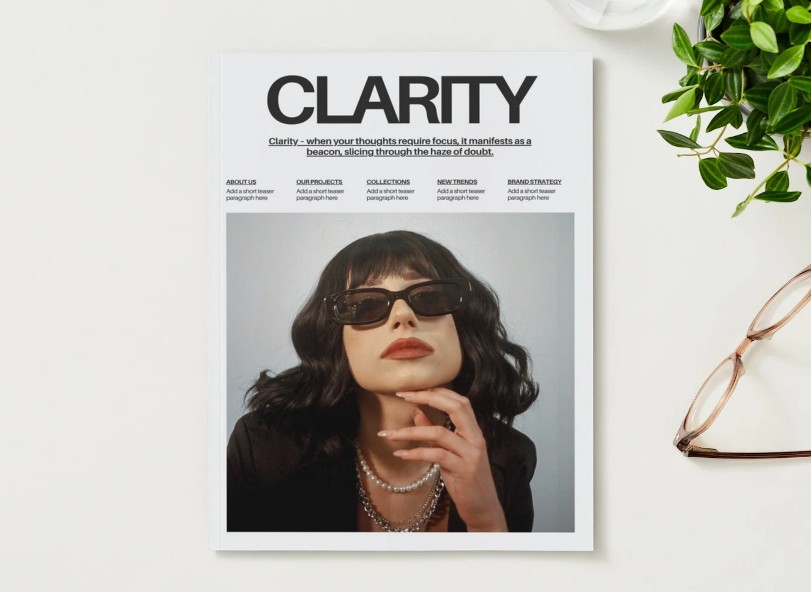
Before committing to large print runs, review proofs carefully. Check for typos, color accuracy, and layout consistency. A Free File Review is a great way to ensure your magazine looks perfect in print before production. After publishing, track how your magazine is being received. Collect feedback from readers, analyze which sections are most engaging, and plan improvements for the next issue. A magazine is an evolving tool, continuous improvement keeps it relevant and impactful.
- Keep branding consistent across every page
- Use high-quality imagery and clean layouts
- Break content into readable sections
To make the process easier, use:
- Free Online Design Tool
- Free Adobe Templates
- Canva templates
- Find a Designer for professional support
Related Print Products
As you learn how to make a magazine, you may also want to explore:
- Lookbooks for visual storytelling
- Catalogs for detailed product listings
- Booklets for smaller projects
- Presentation folders for sales materials
Planning Your Magazine? Check Out These Resources
How to Sell Magazines: 5 Key Strategies to Sell Your Magazine
Magazine Binding Types: Best Ways to Bind Your Magazine
FAQ Section
What is a magazine?
A magazine is a multiple page publication that features imagery and written content that’s structured in a way that creates an engaging and immersive reading experience.
How do you make a magazine?
To make a magazine, define what your purpose is, make a plan for your content, come up with a design for your layout, and choose print specifications like size, paper, and binding. Using templates and design tools can simplify the process.
How do you publish a magazine?
Before you publish a magazine, you need to decide how you want to distribute it. Some of the common methods include direct mail, events, retail placement, or giving it directly to customers in environments like offices or aircraft.
How many pages should a magazine have?
Most magazines have page counts between 32 to 64 pages. 48 page magazines are a popular choice since it balances depth and readability.
What makes a magazine successful?
If you want your magazine to be successful, you need to include strong visuals, a clear structure, content that engages, and high-quality printing to create a memorable experience for readers.
Create Your Own Magazine
Now that you know how to make a magazine, understand what a magazine is, and have a plan for how to publish a magazine, you are ready to bring your vision to life.
With resources like the Free Online Design Tool, Free Adobe Templates, Free File Review, Find a Designer, and a Free Sample Pack, creating a professional magazine is more accessible than ever. You can also start quickly with a customizable Canva layout.
Create your custom magazine today with PrintingCenterUSA and turn your ideas into a powerful, lasting brand experience.