












Top 10 Tips for Creating Your Own Coloring Book
Artists, educators, and creators are discovering that a coloring book is an incredibly effective way to share their art with others. With a coloring book, you’re not just staring at art on a wall, you’re actually interacting with the with it. This creates a personal connection between the artist, art, and the viewer. You can do a lot with a nicely designed coloring book. Some artists create educational coloring books for kids. Others might design a coloring book to celebrate culture, storytelling, or community history.
When you publish a coloring book, you give yourself an opportunity to distribute your artwork in book stores and online retailers. This guide gives you a series of practical design tips for printing your own coloring book.
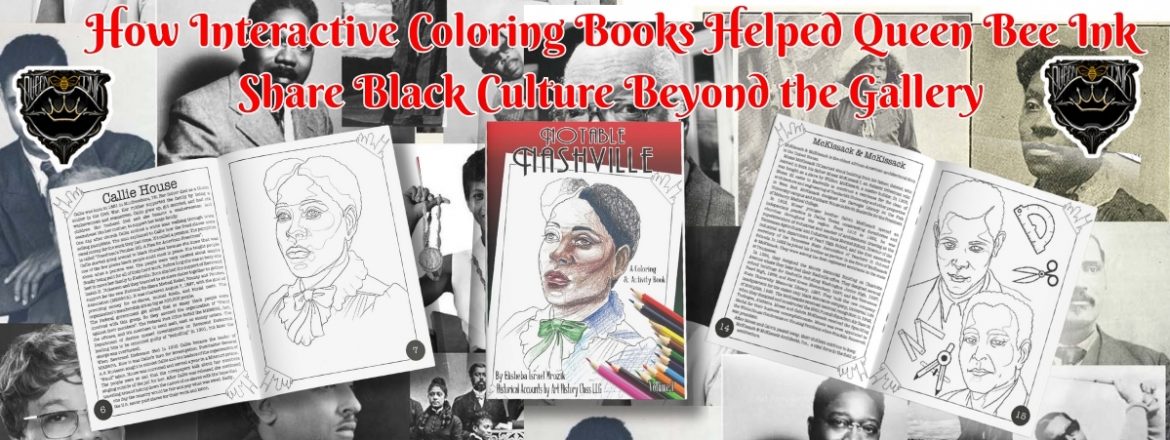
You’ll also discover how acclaimed artist Elisheba Mrozik of Queen Bee Ink used a coloring book to transform her artwork into a meaningful cultural print piece that people can experience long after leaving her studio or exhibitions.
Top 10 Tips for Creating Your Own Coloring Book
A coloring book is a creative way for artists, educators, and businesses to turn illustrations into interactive coloring pages. When you publish a coloring book, you can share your artwork, celebrate your culture, and deliver something that engages your audience.
1. Start With a Clear Theme:
An amazing coloring book starts with a strong concept, i.e. what message are you trying to convey. Some books focus on storytelling, while others highlight educational topics or cultural themes.
Choosing a theme is a perfect way to arrange the coloring pages and makes the book feel more cohesive from start to finish.
When you’re creating your layout, a simple design template (like those found on Canva) can help outline page ideas before you start designing.
2. Design Artwork That Works as Coloring Pages:
Not all illustrations belong in a coloring book. Your images need to have sharp outlines, open spaces and balanced details. This makes the coloring experience more enjoyable.
If your illustrations are to complex, your readers can feel overwhelmed. Use simple, well designed lines.
3. Think About Your Audience:
It’s also important to know your audience. Most coloring books are intended for kids, but some are designed for adults.
Understanding your readers helps determine the level of detail, the educational content, and the overall tone of the book.
4. Plan Your Page Layout Early:
It’s crucial to organize your pages before you publish your coloring book. This makes the coloring experience flow smoothly and more naturally.
A typical 32 page coloring book might include:
- Intro page
- Cultural or storytelling pages
- Educational coloring pages
- Quotes or reflections
- Interactive prompts
Planning your layout early makes the design process much easier.
5. Choose the Right Paper for Coloring:
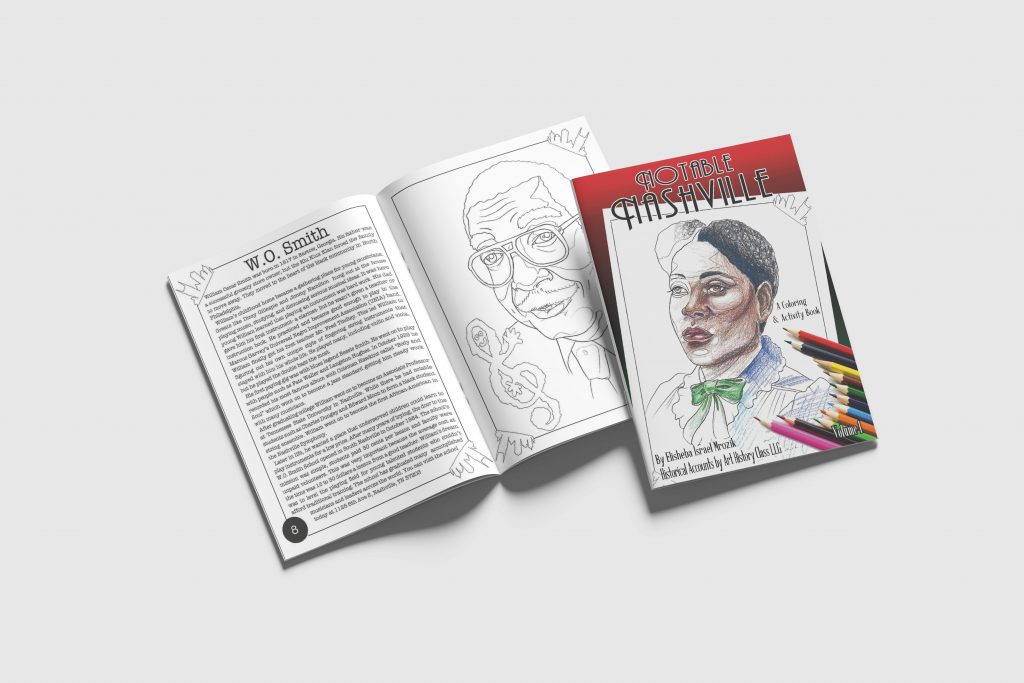
Paper plays a huge role in the coloring experience.
You want to use uncoated paper. Its porous surface allows the paper to absorb pencil graphite, crayon wax, and marker ink. Don’t use coated paper, it causes smearing.
A great choice is 70 lb uncoated paper. Its durable and is perfect for coloring.
6. Use a Binding That Lays Flat:
When it comes to the binding, saddle stitch is an ideal choice. It lays completely flat, making coloring easy and relaxing.
Saddle stitch also makes it easier for readers to color across the entire page without running into the binding.
7. Add Interactive Elements:
Some of the most memorable coloring books go beyond basic illustrations.
Consider including:
- Cultural storytelling pages
- Educational facts
- Creative prompts
- Blank pages for drawing
These additions turn simple coloring pages into a meaningful experience.
8. Use Simple Design Tools:
You do not need advanced design experience to create a coloring book.
Helpful resources include:
These tools make it easy to organize pages and prepare files for printing.
9. Plan Your Publishing Strategy:
If your goal is how to publish a coloring book, think about distribution early.
Many artists publish their coloring books to sell through:
- Art shows
- Museum gift shops
- Online stores
- Educational programs
Planning your publishing strategy helps guide the size, page count, and print quantity.
10: Use Your Coloring Book as an Extension of Your Art:
A coloring book is more than a collection of illustrations.
For many artists, it becomes an extension of their creative voice and allows people to experience their work in a hands on way.
Real Customer Example
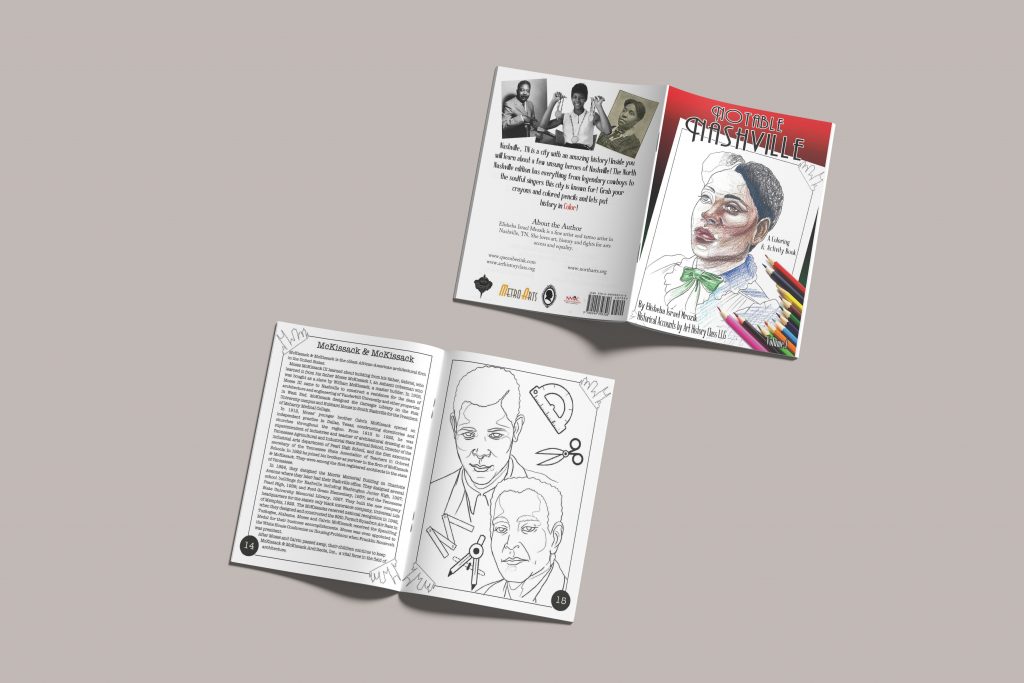
Elisheba Israel Mrozik, founder of Queen Bee Ink, is an internationally acclaimed multidisciplinary artist, muralist, and tattooist whose work centers on Black identity, cultural storytelling, and creative liberation.
Using her business, Queen Bee Ink Elisheba fine art, public art, tattooing, and cultural consulting
Through her company Queen Bee Ink, Elisheba merges fine art, public art, tattooing, and cultural consulting to create work that celebrates the Black community and culture.
Website: Home | QueenBeeInk
Instagram: Queen Bee Ink
Along with her countless other art projects, Elisheba produced
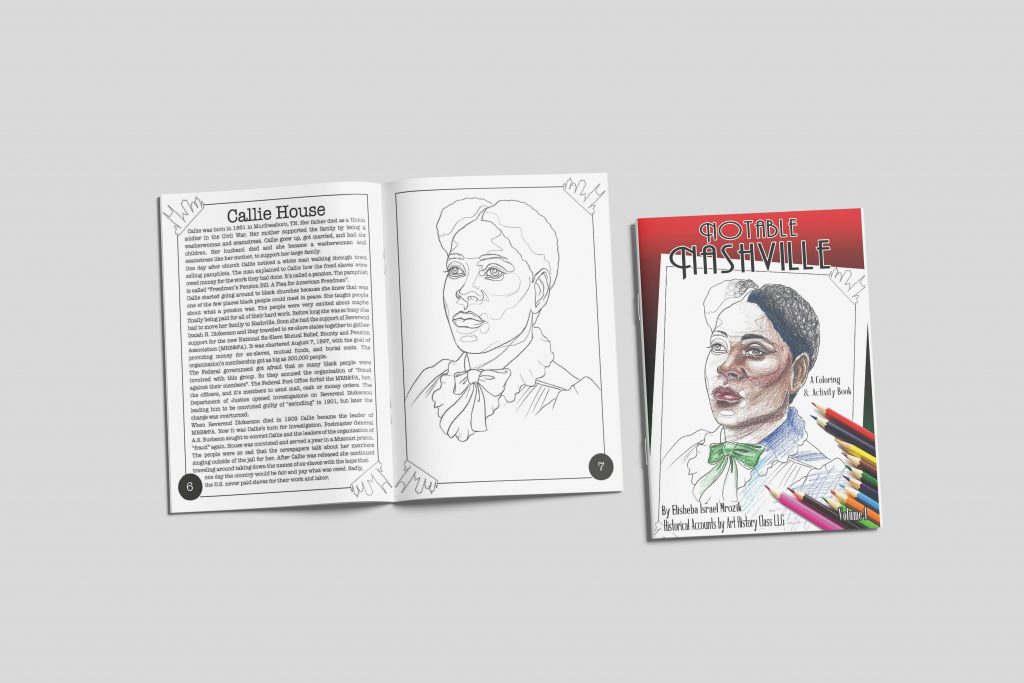
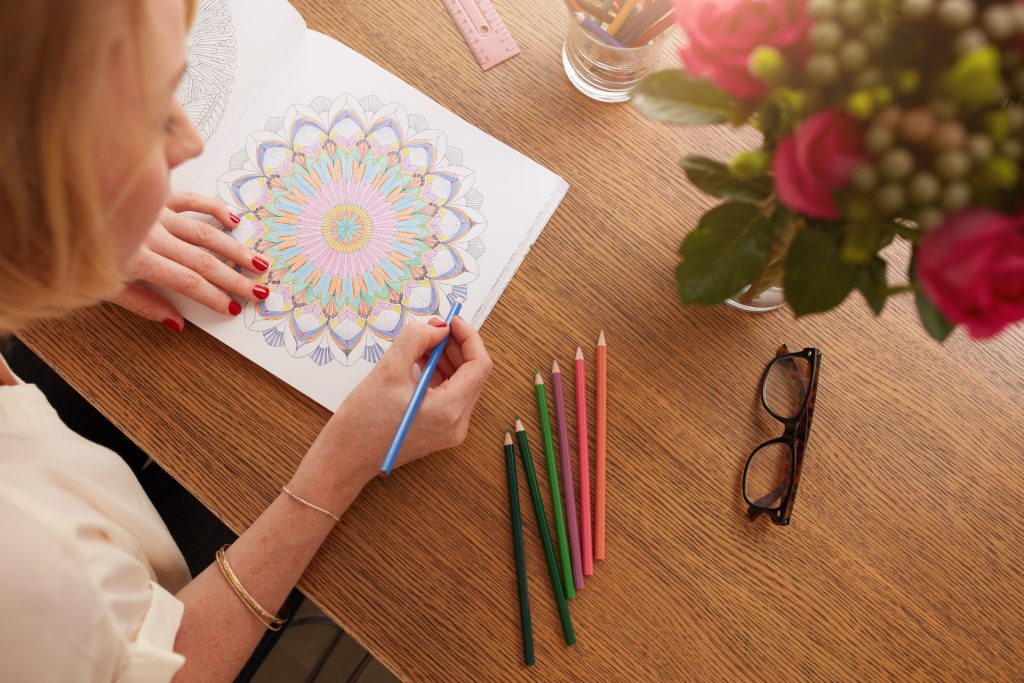
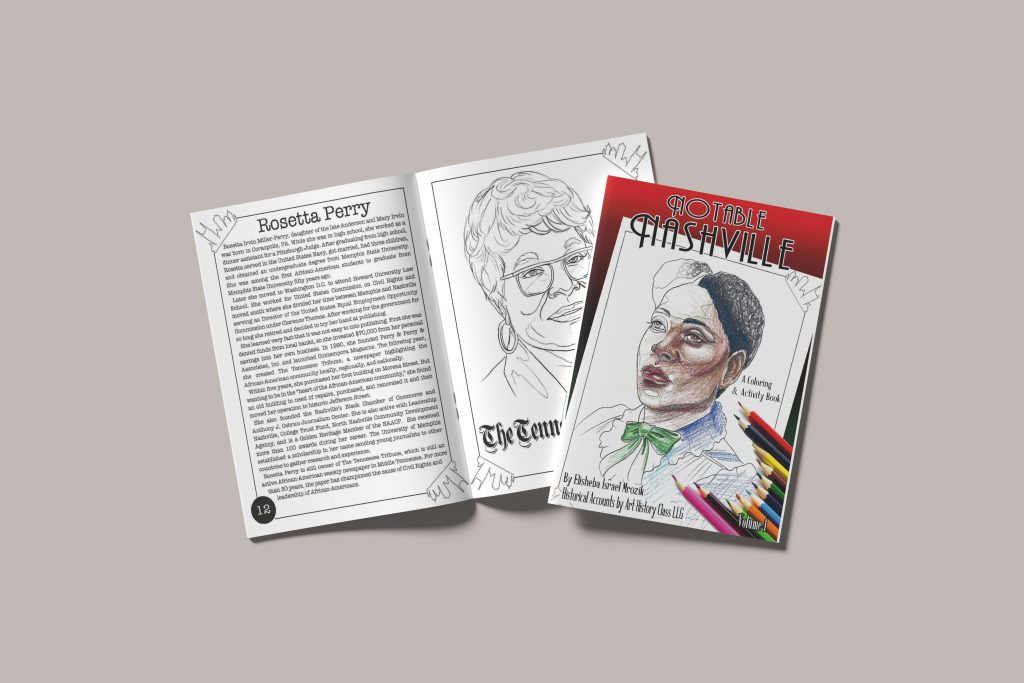
Among her many artistic projects, Elisheba created a series of coloring books, transforming her art pieces into interactive coloring pages that readers can engage with at home.
The Inspiration
Elisheba wanted a way for people to interact with her artwork long after leaving a gallery exhibition or public mural.
A coloring book offered the perfect solution.
“My coloring books are a part of my artistic practice of spreading love and respect for Black identity and culture.”
Her books combine art, culture, and storytelling, allowing readers to connect with the artwork through hands on creativity.
The Challenge
Translating complex artwork into coloring pages required careful design.
Each illustration needed to remain visually powerful while still allowing readers to easily color the images.
Elisheba also collaborates with historians and poets to ensure the cultural context and narratives remain accurate and meaningful.
The Solution
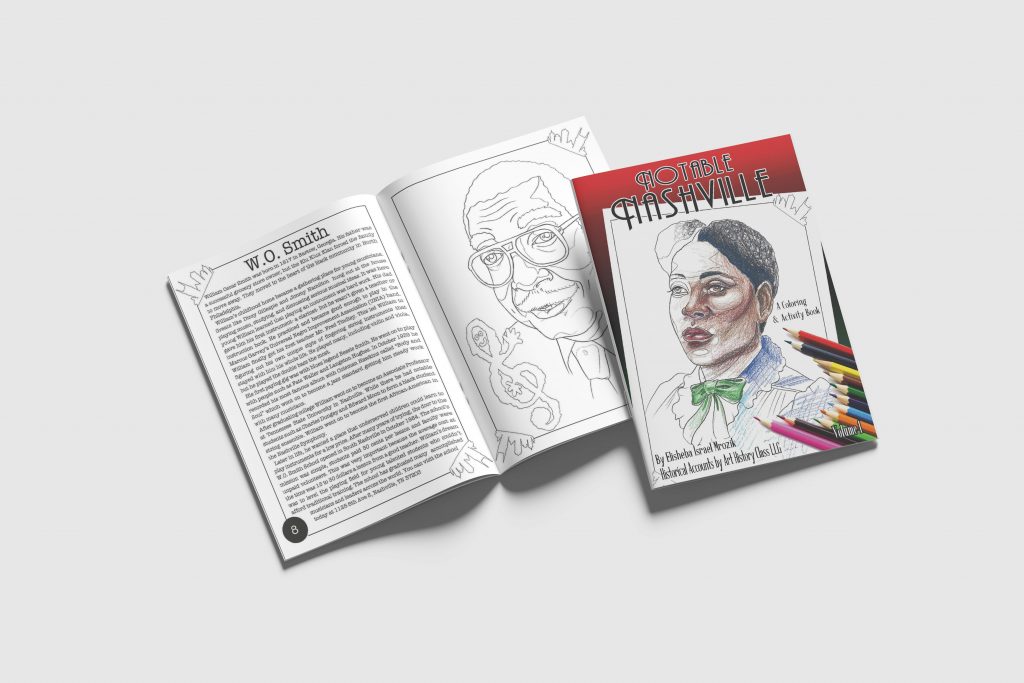
The final result was a 32 page saddle stitch coloring booklet. Each page features detailed illustrations of leaders in the African American community. Its 32 page count keeps the booklet lightweight and easy to distribute.
The Impact
Elisheba’s coloring books allow people to engage with her art in a completely new way.
“I love using coloring books so that people can take art home and interact with it long after they have left my museum show or tattoo shop.”
By transforming her illustrations into a coloring book, she invites readers to participate in the creative process and celebrate Black culture through art.
What Is a Coloring Book?
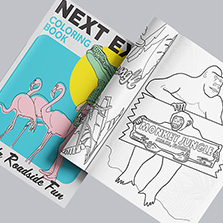
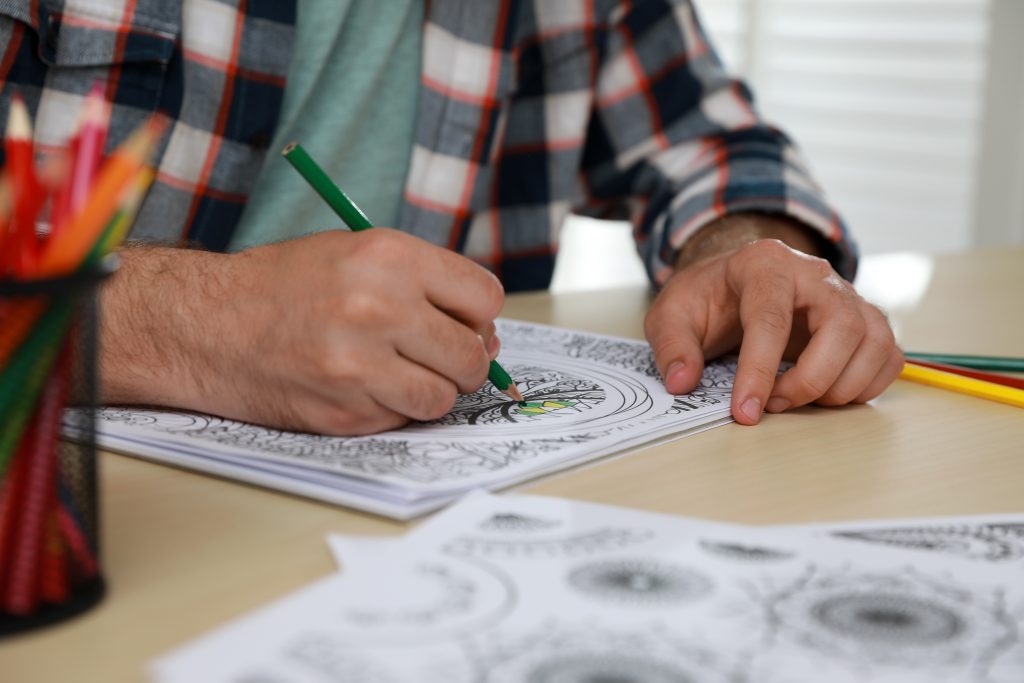
A coloring book is a printed collection of line art illustrations designed for readers to color using crayons, colored pencils, or markers.
Each page functions as a standalone coloring page, allowing readers to engage creatively with the artwork.
Some books include simple kids coloring pages, while others feature intricate illustrations designed for older audiences.
Coloring books are widely used for:
- Education
- Art engagement
- Cultural storytelling
- Creative relaxation
Popular Coloring Book Print Specs
Specs:
Quantity 50
Size 8.5 x 11 (8.5 x 11 Inch)
Binding Saddle Stitch
Pages 32 Pages (Cover + 28 Inside)
Cover Ink (4/4) Full Color Both Sides
Inside Ink (1/1) Black Front / Black Back
Cover Paper 100# Cardstock Gloss (9 pt.)
Inside Paper 70# Paper Uncoated (5 pt.)
Other Popular Options
- Larger square books
- Heavier paper for markers
- Perfect bound books for larger projects
Timeline for Creating Your Coloring Book
Before Production
Create your illustrations and organize them into a collection of coloring pages.
Design templates found on Canva can help organize your layout.
During Production
Upload your files and take advantage of helpful resources like:
Free File Review
Free Adobe Templates
Free Online Design Tool
These tools ensure your coloring book prints correctly.
After Distribution
Once your books arrive, you can distribute them through art events, online shops, galleries, and educational programs.
Many artists also bundle their coloring book with art prints or merchandise.
Design Tips for a Better Coloring Book
Strong coloring pages rely on clear line work and balanced composition.
Helpful tips include:
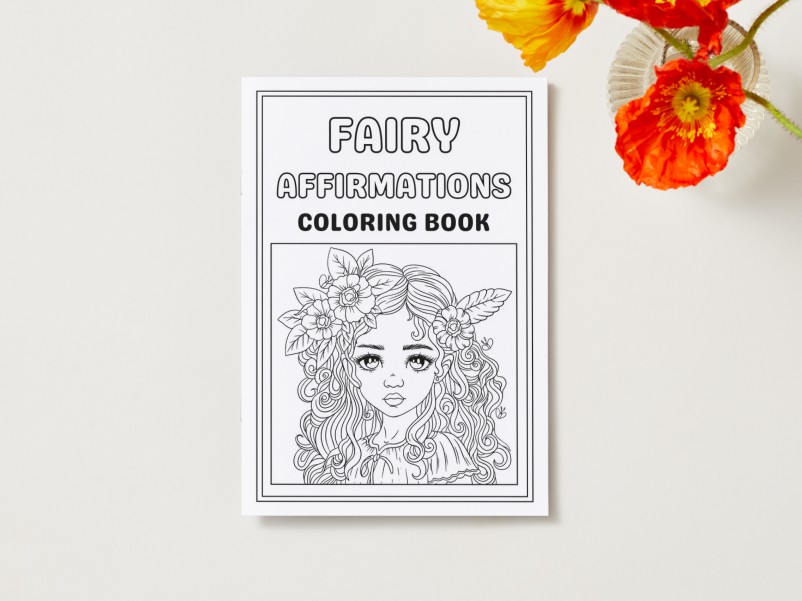
- Add bold outlines to your illustrations so each coloring page prints clearly and is easy for readers to fill with color.
- Include a mix of simple and detailed coloring pages to appeal to both kids and adults.
- Leave enough open space within the artwork so readers have room to color comfortably.
- Organize your project with a clear flow so the pages feel like a complete creative experience.
- Use uncoated paper so crayons, colored pencils, and markers work well without smudging.
- Add short captions, quotes, or educational notes to give context to the artwork and make the book more meaningful.
- Keep margins and spacing generous so illustrations are not cut off during printing and the pages feel balanced.
- Keep outlines thick enough to print clearly and avoid overly complex details that may make coloring difficult.
These simple techniques make the program easier and more enjoyable to read. Use our Free File Review to ensure your prints will turn out perfect every time! Would you rather enjoy the programs without the hassle of design? Explore our partnered designers and find the perfect designer for your project today!
If you are designing your book yourself, tools like the Free Online Design Tool and Free Adobe Templates can simplify page layout. Canva users can also start with a ready to use template like: CANVA TEMPLATE LINK.
When your design is done, it is crucial to download the file correctly so it prints clearly and professionally. Be sure to export your file using the correct print settings, including the proper file type and resolution. Follow our step by step guide here to learn how to export your Canva design for professional book printing.
Related Print Products
Artists who publish a coloring book often expand into additional print projects such as:
These products allow creators to share their artwork in multiple formats.
Planning Your Coloring Book?
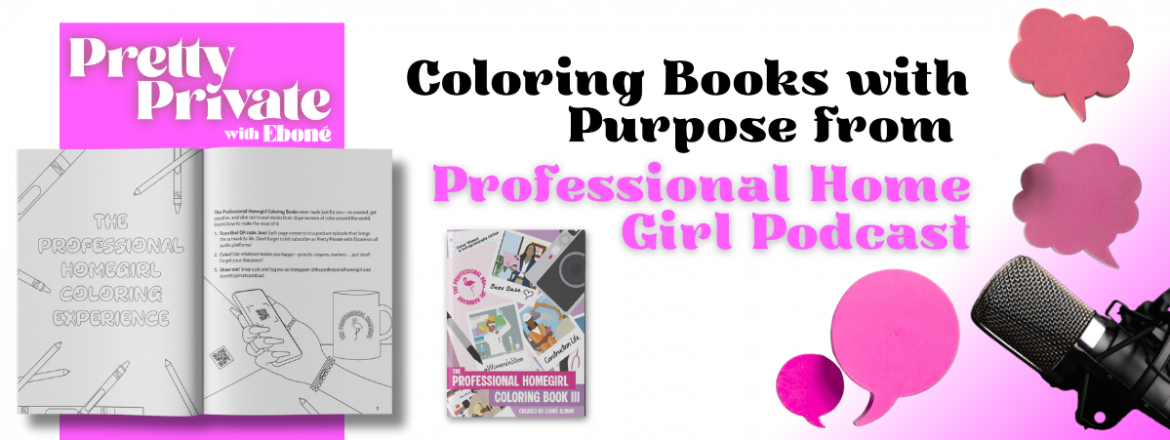
Planning a coloring book involves multiple steps including creating illustrations, preparing files, choosing paper, and organizing printing specifications. Here’s another example of someone who made a custom coloring book, check out their podcast with us!
FAQ Section
How do you publish a coloring book?
To publish a coloring book, start by creating your illustrations and organizing them into a collection of coloring pages. Once the layout is complete, choose print specifications such as size, paper, and binding. Many artists publish books through print services and then sell them online or at events.
What paper works best for coloring pages?
Uncoated paper is ideal for coloring pages because it absorbs crayons, colored pencils, and markers without smearing. Many books use 70 lb uncoated paper for a smooth coloring experience.
What size should a coloring book be?
8.5 x 11 inches is the most common coloring book size. It provides plenty of space for illustrations and works well for both kids coloring pages and more detailed artwork.
Can artists make money selling coloring books?
Yes. Many artists sell coloring books at art shows, museums, and online shops. A coloring book allows creators to share their artwork with a wider audience at an accessible price.
Create Your Own Coloring Book
Creating your own coloring book is a powerful way to turn your artwork into an interactive experience that people can enjoy at home.
Whether you are designing educational kids coloring pages, cultural illustrations, or artistic line drawings, publishing a coloring book allows readers to engage with your art in a meaningful way.
Start creating your own coloring book today and share your artwork with the world with PrintingCenterUSA.