
















What to Put in a Yearbook: 9 Must-Have Sections That You Need
Capture your school’s memories in the best way with a school yearbook that will give students something they’ll hold onto for years to come, long after graduation has come and gone. We’ve put together nine must-have sections that will make you an expert on what to put in a yearbook. Think of this as your checklist with a little personality. Because let’s be honest, one day it’s spirit week and group chats, and the next it’s “wait… what year did we graduate again?”. A well-designed yearbook isn’t just a collection of photos, it’s a time capsule of memories shared, big wins, funny faces at prom, floats at homecoming, friendships, inside jokes, and every moment that deserves to be showcased.
Let’s be honest, some of these you already know and that’s ok! As you go through each section in this checklist, check off the parts you know and really take from the parts you need! It doesn’t matter if you’re a student, a teacher, a volunteer parent, etc, right now at this moment you are the one that is researching this topic and we’re here to help you cross that finish line!
Grab your energy drink, iced coffee, hot tea, or that branded cup of water, whatever fuels you, and let’s turn your empty yearbook into a masterpiece!

The Breakdown
This is it, what you’ve been waiting for, the top 9 must-have sections to put in your yearbook!
1. Photos (obviously!) are the #1 must-haves in every yearbook!
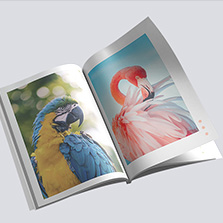
Photos are the heart of any yearbook, and honestly, without them, you’re reading a textbook of memories instead of seeing them come to life! Make them count. Perfect smiles and posed shots are of course expected, but candid shots, real reactions, the roller-coaster of emotions that come with a school year, that’s what takes your yearbook from a photobook to a memory book worth looking at! If years from now, it makes someone say “I forgot about that,” you’re on the right track! Local photographers, student photographers, nearby photo studios, heck even just the camera in the office, can all be amazing resources for capturing these memories!
2. School administrators and teachers
Yes, they need to be in here too. These are the people behind the lessons, the reminders, the pep talks, the “Yes, you can eat your lunch in here,” and the occasional “please put your phone away.” Years from now, someone’s going to flip through and think, “they used to say that all the time,” and instantly be right back in that classroom. That’s the good stuff. Photos from Teacher Appreciation Week, favorite snacks teachers rely on during grading season, meaningful life lessons and advice pages from teachers to students, etc., are all fun ideas to put in your yearbook!
3. Class or student portraits
This is where time freezes. In ten years, when life looks completely different, this is the page people will turn to first. As styles evolve, they’ll want to reminisce on what their style was, is it coming back, the hairstyles, the fashion, making them wonder what everyone is up to now in the process! Keep the images in an organized, easy to follow layout so it flows to flip through and doesn’t turn into a Where’s Waldo situation.
4. Clubs and teams
Sports teams, band, and clubs (Kiwanis, Drama, Student Council, Robotics, Mathletes, etc,) help define a school’s culture. Of course the wins matter in the moment, but the behind the scenes are what becomes unforgettable years later. Show the practices, the bus rides, the long nights, the early mornings, the gatherings in the library and the halls, that’s what people remember. Put them in your yearbook!
5. Special awards and superlatives
This is where the personality of your school really comes out. Celebrate the achievements, the awards ceremonies, and yes, the fun stuff too. Whether it’s “Most Likely to…” or something totally unique to your school, these are the pages people will enjoy heading to over again. Every single time. Its not always about Nancy and her hair or John and his smile, it’s the memories of “Did they?”
6. School events make your yearbook showcase School Pride!
The orchestrated events put on by the students, the staff, and the community. Photos from Pep Rallies, volunteer events, school assemblies, prom, homecoming, float builds, spirit week, community events, 5k fundraiser runs, all of it. Capture the moments as they happen so they can be felt and remembered with a smile when someone flips back to that page, years from now.
7. The graduating class in the spotlight (opening or closing pages)
This is it. Their final yearbook. The one that sticks. Give seniors their moment, whether it’s right at the beginning or a strong close at the end. Highlight their journey, their personalities, and everything they’re leaving behind. This is the part they’ll show their kids someday, no pressure. Senior sections can include memorable areas such as baby photos, senior quotes, favorite memories, handwritten notes from friends or teachers, “most likely to” senior awards, then vs. now photos, college or career shoutouts, bucket list moments, and candid photos from throughout their final year.
8. Captions and text
What you say and how you say it will be etched forever in the pages of your yearbook. Read over and over as a narrator to your year. These are the words that give meaning to the moments and bring each page to life. Think school mantras, game day fight songs, values, descriptive but real. Make them count.
9. Consistent design (branded choices) that will make your yearbook come together!
The creativity behind your design is what makes this a yearbook worth showing off! Ensure your school colors are front and center, keep fonts easy to read, use high quality photos, bold headlines, creative borders, fun text effects, and don’t overcrowd your pages unless it’s a designated collage. These elements go a long way in making your yearbook feel modern and exciting. Think of it as the difference between “thrown together” and “we knew what we were doing”. Organization matters, but creativity is the key to unforgettable!
Want Extra Credit? The best yearbooks are the ones packed with personality and little moments people will look back on for years. Take it to the next level by adding these 6 extra moments that will make your yearbook stand out:

- Spotify playlists for each grade level
- QR codes linking to social media or highlight videos
- Meme pages
- Candid bloopers
- A dedicated mascot page (we see you Tony the Tiger)
- Handwritten notes from students
When it comes down to it, a great yearbook isn’t just about checking these boxes. It’s about telling a story, your school’s story. The kind people flip through at graduation, revisit a few years later, and somehow end up laughing, cringing, and crying all at the same time. Let them ask the question, “Where are we now?” or think “Those were the days!”
Why Choose PrintingCenterUSA for Your School Yearbook?
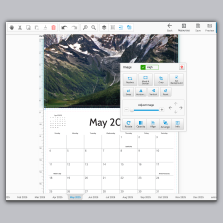
At PrintingCenterUSA, we’re here to make this whole process feel a lot more doable and a lot less overwhelming. Think of us as the “extra hand” you need in the committee. We pride ourselves on being a leader in yearbook printing companies. With our free online design tool and our ready-to-go templates, you can design your yearbook with no extra costs. If Canva is your solid go-to, you can even connect your project and we’ll show you how! And if you still need that extra help, we’ve compiled a list of trusted graphic designers we can point you to, designers that are well versed in the PCUSA world and can help you every step of the way! Honestly, call us Bob the Builder, because we’re here to help make this yearbook happen.
Wondering how to make a yearbook? Watch this video for some quick tips utilizing our free Online Design tool!
We also have a few extras that you didn’t even ask for!
- Not sure if your file is ready? We have you covered there too! Our site offers free file reviews to make sure everything is set before it goes to print.
- Still debating on the right paper for your yearbook? Fill out the form for a free sample packet so you can experience the many papers we have and feel that quality firsthand. We’ll even give you $25 in print credit just for asking for one! We care about your project that much!
- Need more of a step-by-step guide? Our Yearbook Guide has even more tips, inspiration, and step-by-step support to bring your vision to life. And get this, you’ll get 15% off an order up to $250 when you download your first guide in your account!
If you’re the type to have your yearbook planned out by September, (hint hint, we see you), you officially get a gold star from us! But if you’re reading this with graduation circled on the calendar and mild panic setting in, you are definitely not alone either. Ideally, yearbooks are planned throughout the school year with photos and memories collected along the way with calendar fundraisers and bake sales to make it happen, but plenty of schools pull together amazing yearbooks in just a few weeks too! The biggest thing is giving yourself enough time for edits, proof approvals, printing, and shipping so you’re not stress-refreshing tracking updates the night before graduation. Now that you know what to include in a yearbook and what makes a good yearbook great, you are ready to make your yearbook the best it can be!
Whether you’re just getting started or putting the final touches on this yearbook, PrintingCenterUSA is here as your partner in print. Let’s create something students can’t wait to get their hands on…and turn that sign-up sheet into a full-on waitlist!
Ready to Turn Your Print Projects Into Rewards?
If you’re a creator, author, designer, or growing business, did you know the PCUSA Creator & Partner Network was built for you? Share your work, tell your story, and earn Boss Bucks (print credit) or even cash just for participating! Programs like the Creator Spotlight, Success Stories, Partner Referrals, and the Affiliate Program let you get featured, grow your reach, and earn up to $650 in rewards at no cost to join. It takes just a few minutes. Get started now!