
















Behind The Print: New York Times Bestselling Illustrator Dan Tavis
In this episode of Behind the Print, we sit down with New York Times bestselling picture book illustrator Dan Tavis, an artist whose work bridges storytelling, creativity, and the tangible power of print. From collaborating with major publishers like Simon and Schuster and Penguin Random House to building a thriving independent brand through art fairs and online sales, Dan has carved out a unique space in both the publishing and product worlds.
Based on a lifelong passion for illustration that began in childhood, Dan’s journey reflects the dedication, patience, and adaptability required to turn creative talent into a sustainable business. His work resonates with a wide audience, from children and families to collectors and design enthusiasts, and his annual printed calendar has become a staple for returning customers.
For marketing professionals, small business owners, graphic designers, and print enthusiasts, this conversation offers valuable insights into building a creative brand, maintaining consistency, and leveraging print to create meaningful, lasting connections with customers. Dan’s perspective highlights not only the artistic process but also the practical realities of running a creative business in today’s evolving landscape.
Below, you’ll find the transcript of our conversation, edited for clarity to ensure easy reading. If you want the full, authentic experience, make sure to check out the video attached below.
12 min read
Connor: Welcome back to the Behind the Print Podcast, where we feature industry leaders and uncover the creative minds and their businesses within the world of professional printing. Our mission is to provide you with inspiring, actionable resources that elevate your business projects and accelerate your journey to excellence in profit and in print.
Today I’m joined by New York Times bestselling picture book illustrator Dan Tavis of Dan Tavis Illustration. Welcome to the podcast.
Dan: Thanks, Connor.
Connor: If you’re ready, let’s dive right in. Can you tell me a little bit about yourself and what you do?
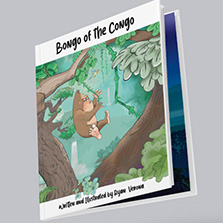
Dan: I’m a picture book illustrator. I mainly work with publishers and have collaborated with companies like Simon and Schuster, Penguin Random House, and a few smaller publishers. Most of my work is focused on children’s picture books.
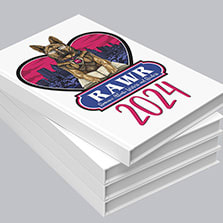
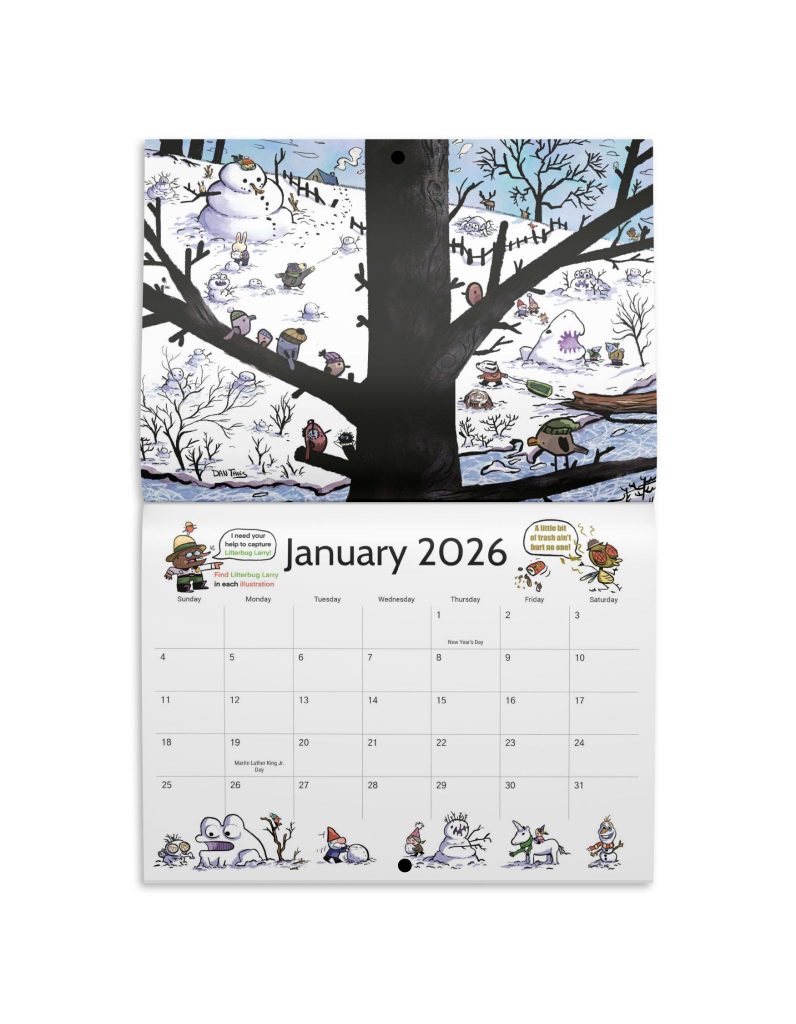
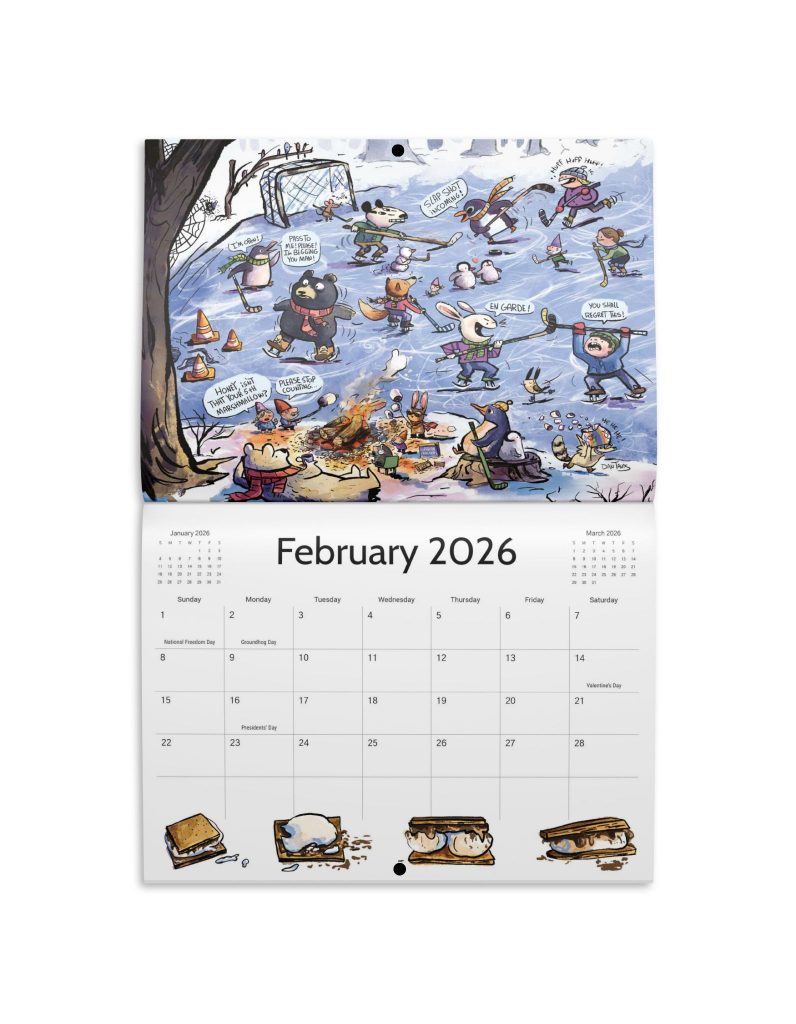
Outside of publishing, I also sell my work at art fairs and through my Etsy shop. I create a range of products like calendars, coffee mugs, stickers, and art prints. My calendar is something I produce every year, and it’s been a really fun way to expand beyond books.
I’ve been selling my work since around 2016, and I’ve been published since 2020.
“I’m a picture book illustrator. I mainly work with publishers and have collaborated with companies like Simon and Schuster, Penguin Random House, and a few smaller publishers. Most of my work is focused on children’s picture books.”

Connor: What inspired you to take your art to a professional level?
Dan: It actually goes back to when I was younger, around middle school. I had just moved from Rhode Island to New Hampshire and didn’t know anyone. I went on a camping trip, and another kid asked if I wanted to read his Calvin and Hobbes book.
I read the entire thing on the drive up, and from that moment on, I decided I wanted to be an artist. That experience stuck with me.
Later, in college, I had a choice between pursuing animation or picture books. I’ve always loved animation, especially Pixar, Disney, and films like The Iron Giant. But I ultimately chose picture books because I like working independently. I enjoy coming up with my own ideas and having control over my projects.
“It actually goes back to when I was younger, around middle school. I had just moved from Rhode Island to New Hampshire and didn’t know anyone. I went on a camping trip, and another kid asked if I wanted to read his Calvin and Hobbes book.”
At the same time, working in publishing still allows me to collaborate while also giving me the freedom to create personal work like my calendar and other products.
Connor: It sounds like you’ve found a balance between passion and profession.
Dan: Definitely. It’s a full-time job, but publishing has natural gaps. After submitting sketches, I might wait weeks or even a month for feedback from editors. That downtime gives me the opportunity to work on personal projects, which is something I really value.
Connor: What can you tell me about your typical clientele?
Dan: It’s a wide range. For picture books, it’s obviously children and their parents. For greeting cards, it tends to be an older audience. Art prints appeal to just about everyone.
So overall, my audience spans multiple age groups, which keeps things interesting and allows me to create different types of work.
Connor: Your art style is very distinct. How would you describe what makes it stand out?
Dan: I think it’s a mix of influences and personal touches. I’ve been inspired by artists like Bill Watterson and classic illustrators like E. H. Shepard. Their storytelling and visual style had a big impact on me.
From there, I’ve developed my own approach, especially through humor and how I use color. I also work in a watercolor style, which gives my illustrations a softer, more organic feel.
Connor: What are some of the biggest challenges you face as an artist?
Dan: Finances are definitely one of the biggest challenges, especially if you’re trying to do this full time. It takes a lot of effort to maintain a steady income.
Publishing is a major part of my business, but payments can take time. That means I always need to be thinking ahead and working on multiple income streams. Art fairs and product sales help balance that out.
Another challenge looking ahead is AI. It’s not just affecting visual artists, but also writers, musicians, and other creatives. I’m hopeful it becomes more of a tool rather than something that replaces original work, but it’s definitely something the industry is watching closely.
Connor: Can you share a major milestone in your career?
Dan: A couple of years ago, I illustrated a picture book that became a New York Times bestseller. It was called Noodle in the No Bones Day by Jonathan Graziano and published by Simon and Schuster.
It reached number one for a period of time, which was an incredible experience. When the book came out, they flew me and my wife to New York. There were readings where the author presented, and I drew for the kids. It was a really memorable moment and definitely a highlight of my career.
Connor: That’s amazing. How has print helped elevate your business?
“When the book came out, they flew me and my wife to New York. There were readings where the author presented, and I drew for the kids. It was a really memorable moment and definitely a highlight of my career.“
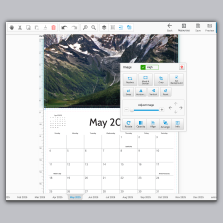
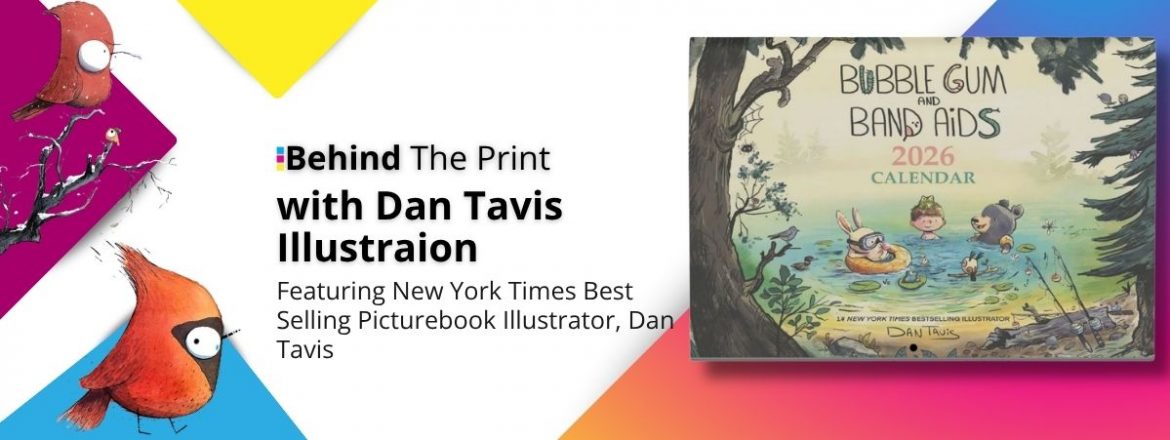
Dan: Print has been huge for me, especially with my calendar. I’ve been creating it for several years now, and it’s actually my eighth edition.
It’s a great creative outlet because it allows me to build my own characters and tell a story across each month. It’s also something that customers look forward to. I’ve noticed a lot of repeat buyers, which is really rewarding.
The quality of the print matters a lot. When something looks and feels great, people connect with it more, and it reflects positively on your brand.
Connor: What strategies do you use to avoid burnout and stay creative?
Dan: One of the most important things is what I call filling your creative bank account. If you’re constantly creating without experiencing life, your work starts to suffer. On the other hand, if you’re only experiencing life and not creating, your progress slows down.
It’s about finding balance. I make time to go on walks, read books, watch movies, and play video games. Taking breaks from art actually helps me come back with fresh ideas.
If you focus too much on work, you can burn out quickly. Stepping away is just as important as putting in the time.
Connor: That’s a great perspective. What advice would you give to someone just starting out?
Dan: Two things: consistency and patience.
Consistency is huge. If you’re studying art, you can’t just rely on assignments from school. Most of your growth happens when you’re working on your own time, developing your style and ideas.
Patience is just as important. It can take five to ten years, or even longer, to reach a point where you can support yourself financially. It’s not a quick path, but if you stick with it, it can be incredibly rewarding.
Connor: If you had a completely free day, how would you spend it?
Dan: Honestly, I feel like I already get to live that. I wake up, have my coffee, work on art throughout the day, and then spend time with my wife and our cats in the evening. I also make time to see family during the week.
That’s my ideal day, and I’m grateful that it’s something I get to experience regularly.
Connor: That’s not boring at all. It sounds like you’ve built something really meaningful. Before we wrap up, what’s the best way for people to connect with you?
Dan: You can visit my website at dan-tavis.com. My Etsy shop is Dan Tavis Illustration, where I sell products like stickers, mugs, and calendars. And my Instagram is @dantavis.
Connor: Perfect. That’s a wrap on another episode of Behind the Print. Thank you to our listeners for joining us as we explore the artistry and innovation of the printing world. Remember, having a strong vision, building the right strategy, and using tools like print to amplify your message will make your brand stand out. Until next time, keep those creative sparks flying.