













































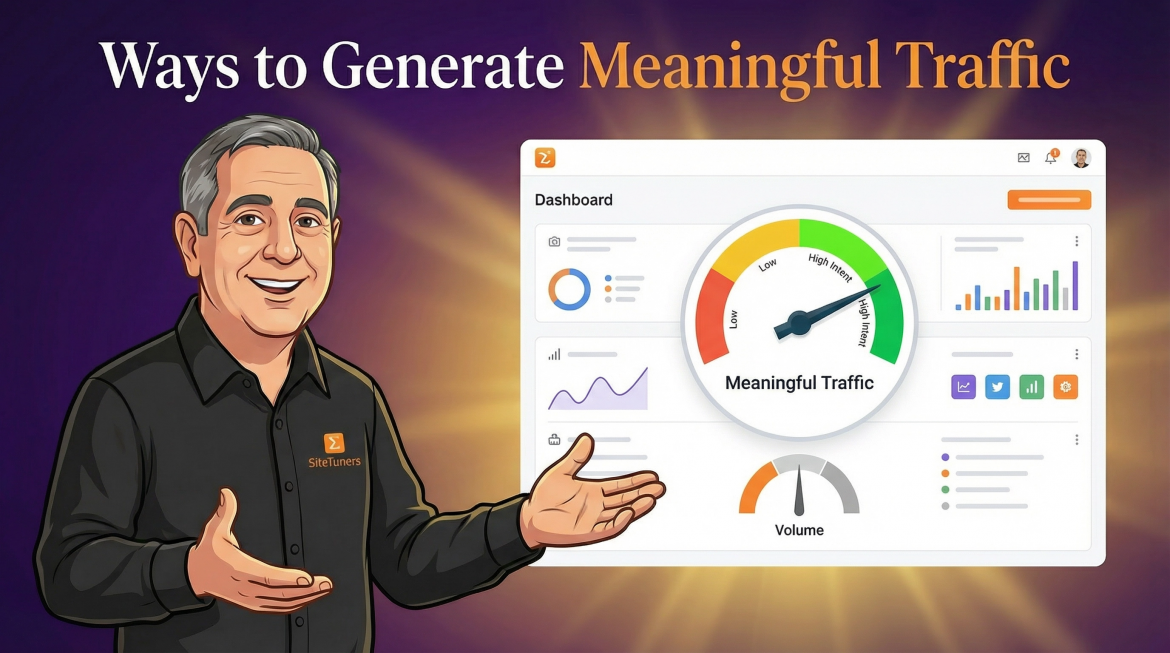
Ways to Generate Meaningful Traffic: Attracting Intent, Not Just Attention
Traffic is often treated as a success metric.
But traffic by itself is neutral.
It can help conversions or completely distort them.
Many businesses assume that if conversion rates are low, the site is the problem. Sometimes that’s true. But just as often, the real issue is traffic quality.
You can’t optimize a decision that visitors were never prepared to make.
Meaningful traffic doesn’t just arrive.
It arrives with intent.
Not All Traffic Is Created Equal
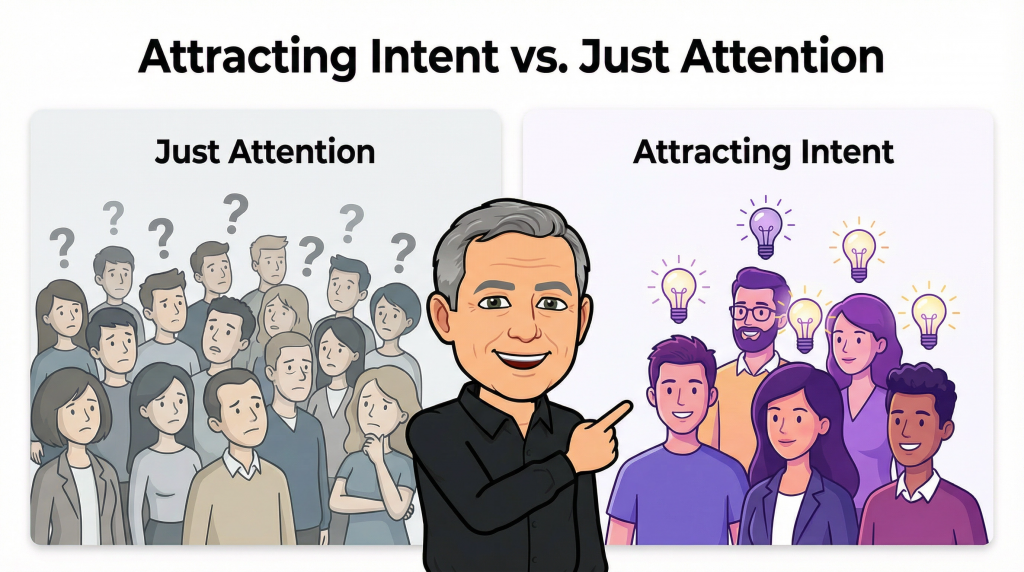
Two visitors can land on the same page and behave completely differently.
One scrolls, reads, clicks, and converts.
The other bounces within seconds.
The difference isn’t the page.
It’s why they came.
Meaningful traffic is aligned with:
- A specific problem
- A realistic expectation
- A willingness to act
Unqualified traffic arrives out of curiosity, boredom, or confusion.
Volume without intent inflates metrics while hiding real problems.
The Hidden Cost of Low-Intent Traffic
Low-quality traffic doesn’t just fail to convert. It actively hurts decision-making.
It:
- Lowers conversion rates
- Increases bounce rates
- Distorts A/B test results
- Sends misleading signals to marketing and sales
Teams chase fixes that don’t address the root cause because the audience itself is misaligned.
Before optimizing pages, offers, or funnels, traffic quality must be understood.
Search Traffic Works When Intent Is Clear
Search is one of the most reliable sources of meaningful traffic.
High-intent searches reveal:
- Active problem-solving
- Comparison behavior
- Purchase readiness
Low-intent searches reveal:
- General curiosity
- Early research
- Information gathering
Ranking for high-volume keywords feels good. Ranking for high-intent keywords performs better.
The goal isn’t to attract everyone searching, it’s to attract the right searches.
Content That Answers Questions Converts Better Than Content That Ranks
Content created solely for SEO often misses intent.
Visitors arrive expecting answers.
They get marketing.
Meaningful content:
- Addresses real questions
- Acknowledges uncertainty
- Helps visitors self-qualify
The best content doesn’t just attract traffic.
It filters it.
If someone reads your content and realizes you’re not a fit, that’s still a win.
Paid Traffic Magnifies Alignment or Misalignment
Paid media doesn’t create intent. It amplifies what’s already there.
When ads promise one thing and landing pages deliver another, visitors feel misled even if the copy is technically accurate.
Meaningful paid traffic requires:
- Honest ad messaging
- Clear expectations
- Tight alignment between ad and landing page
The closer the match, the higher the quality of traffic.
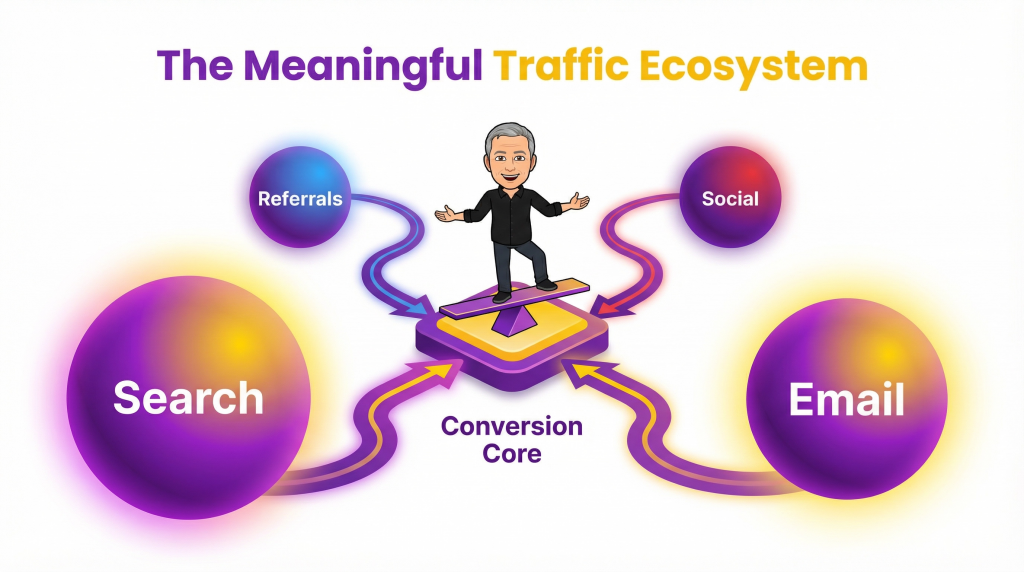
Referrals and Partnerships Bring Built-In Trust
Some of the highest-quality traffic comes from trusted sources.
Referrals arrive with:
- Context
- Credibility
- Reduced skepticism
They convert better because trust has already been partially established.
If meaningful traffic is the goal, partnerships often outperform campaigns.
Social Traffic Works When It Respects Context
Social platforms are not search engines.
Visitors are not actively looking to buy. They’re scrolling.
Meaningful social traffic works when:
- Content educates before selling
- Expectations are set clearly
- The next step feels natural
Forcing transactional behavior too early creates resistance.
Social traffic should warm intent, not demand conversion.
Email Traffic Is High-Intent by Design
Email works because permission already exists.
Subscribers have raised their hand. They’ve opted in. They’re receptive.
Meaningful email traffic:
- Feels relevant
- Feels timely
- Feels personal
When email traffic underperforms, the issue is rarely the channel. It’s relevance.
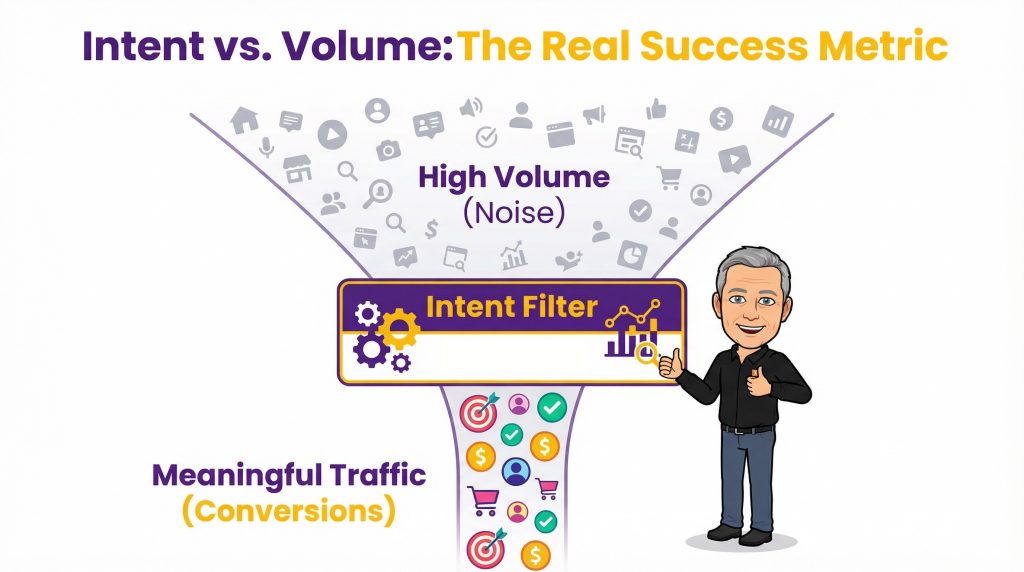
Traffic Should Pre-Qualify, Not Just Populate
High-performing traffic sources do something important:
They repel the wrong visitors.
Clear messaging, honest positioning, and realistic promises reduce wasted clicks and improve downstream performance.
If traffic volume drops but conversion quality improves, that’s progress, not failure.
How to Evaluate Traffic Quality
Stop asking, “Where can we get more traffic?”
Start asking:
- Which sources produce engaged visitors?
- Which sources lead to conversations, not just clicks?
- Which sources create repeat visits?
Then follow the behavior, not vanity metrics.
Final Thought: Intent Is the Multiplier
When traffic arrives with intent:
- Conversion rates increase
- Sales cycles shorten
- Marketing becomes clearer
- Optimization becomes easier
You don’t need more traffic.
You need traffic that makes sense for what your site is asking people to do.
Action Item
Pick one traffic source this week.
Analyze:
- Why visitors are arriving
- What they expect to find
- Whether the page meets that expectation
Then adjust the message, not the volume. Meaningful traffic doesn’t come from shouting louder.
It comes from being more relevant.