










Top 10 Educational Booklet Printing Tips: How One Surgeon’s Book Is Changing the Way Patients Understand Healthcare
There is a moment most surgeons know well. The diagnosis has just been delivered. The patient is nodding, but the eyes have gone somewhere else. The words keep coming, but nothing is landing anymore.
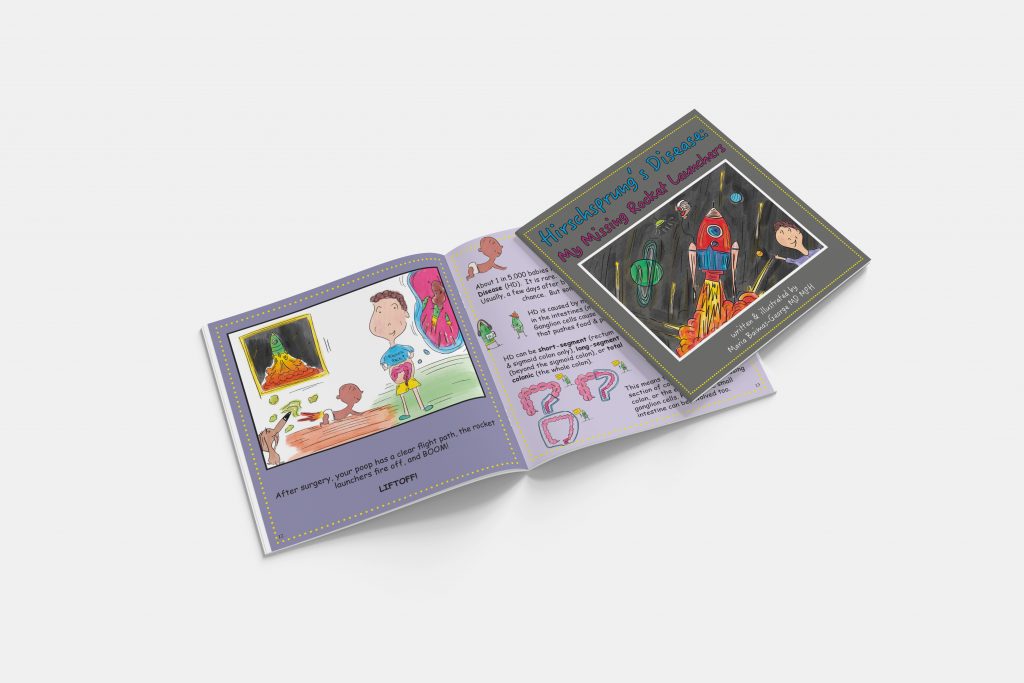
Dr. Maria Baimas-George, MD MPH, a transplant and hepatobiliary surgeon at the University of Colorado, has sat across from that moment more times than she can count. Her answer was not a pamphlet. It was not a portal link or a discharge summary printed in 10-point font. It was peace as a work of art. A real, beautifully illustrated, thoughtfully printed book, designed to be held, reread, and handed to a frightened parent in a waiting room.
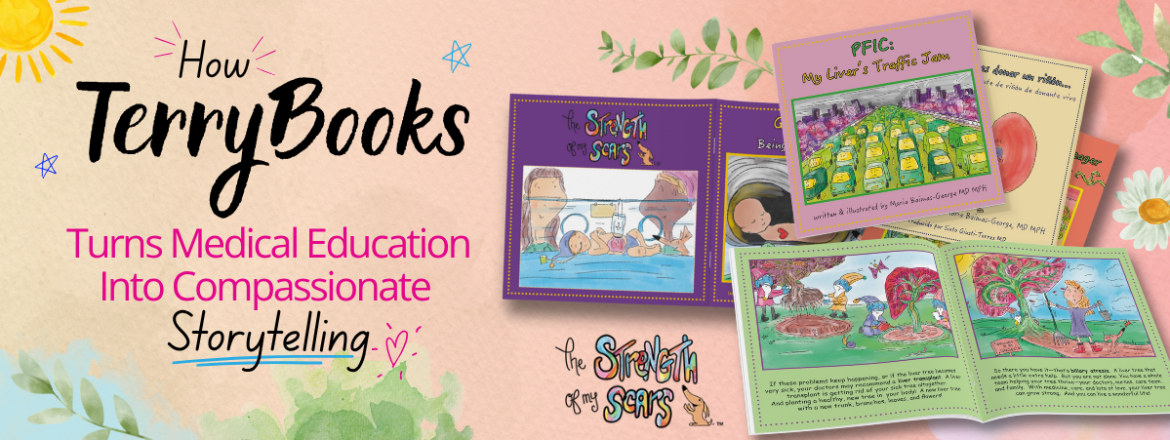
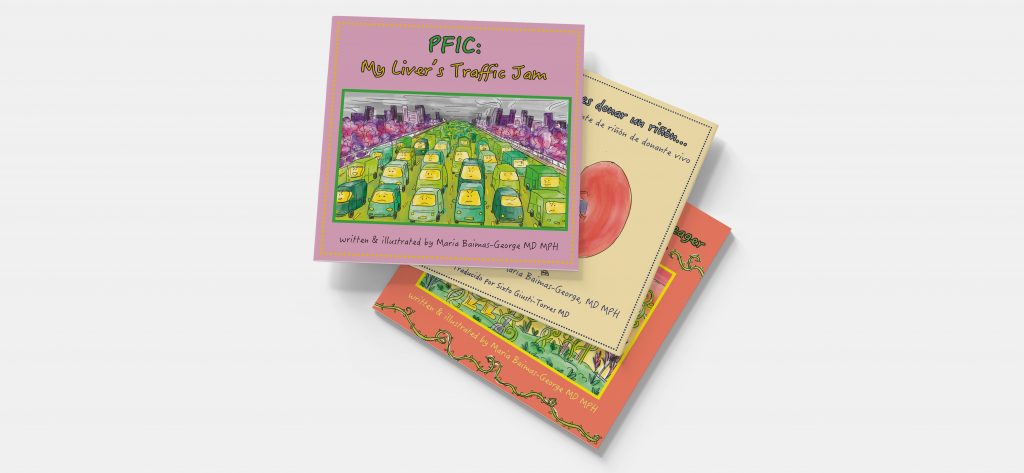
That book became TerryBooks, now a growing library of 36 illustrated titles for children and 12 comprehensive guides for adult patients, with more in the works. When it came time to printing these special books with the quality the project deserved, TerryBooks chose PrintingCenterUSA as a partner!
Top 10 Tips for Creating an Educational Booklet That People Actually Keep
When it comes to creating a successful educational booklet you aren’t just putting information and facts on a page, you are empowering the reader to absorb engaging content. The most successful educational booklets all have four things in common; they balance readability, emotional resonance, paper selection, and design with real intention. TerryBooks does this perfectly! From education to design these books are easy to absorb and exciting to sit down with. Here are the top 10 tips drawn directly from what makes the TerryBooks publication work. These tips apply whether you are printing for healthcare, education, nonprofits, or any audience that deserves better than a generic handout!
1. Start With a Clear and Specific Purpose
Have a clear vision in mind of what you are educating your reader on before a single pages gets designed. When you focus on the core of your teaching goals other decisions relating to the project fall in suit to support the vision. Know your purpose before you start!
Your purpose will shape:
- Page count and pacing
- Visual style and illustration approach
- Writing tone, from clinical to conversational
- Image selection and diagram complexity
- How you measure if the booklet is working for you as hard as you did for it
TerryBooks started their booklet with a mission that was both specific and urgent. Their goal is to help patients and families understand complex medical topics through approachable illustrations and compassionate storytelling. That clarity shows up on every page of the finished piece. Readers can feel that someone made decisions with their best interest in mind. These books are a gentle way to approach a complex, scary situation with grace and peace.
2. Design for Readability Before You Design for Beauty
A visually stunning booklet that is hard to read has failed its reader. Readability is not a constraint on good design. It is the foundation of it.
For educational materials especially, keep these principles in mind:
- Avoid overcrowded pages, white space is not wasted space
- Use headings and subheadings to create clear navigation
- Build visual hierarchy so the eye knows where to go
- Keep paragraphs short and digestible, especially for stressed readers
- Choose a font size that works for older readers and those reading under poor lighting
Tools like the Free Online Design Tool and Free Adobe Templates can simplify the setup process. Customizable Canva templates also offer editable layouts that help organize content before you get deep into design.
3. Choose a Format That Earns Attention
The 8×8 square format used by TerryBooks does something subtle but important: it signals that this is not a standard document. It feels like a book. And that distinction matters when your goal is to be kept, not discarded.
Square formats work especially well for:
- Medical and patient education materials
- Children’s illustrated books
- Photography and portfolio pieces
- Art books and creative publications
- Product guides that benefit from a premium feel
Other popular saddle stitch sizes include 5.5×8.5 and 8.5×11, each creating a different reader experience. The right size depends on your content, your audience, and honestly, how you want it to feel in someone’s hands the first time they pick it up.
4. Choose Paper That Supports the Emotional Experience
For TerryBooks this project had two deliberate paper choices that directly supports the emotional aspect of the content.
- 100# Matte Cardstock Cover: durable, soft to the touch, and premium without being cold or corporate. Matte is great for older and younger readers as there is no glare on the cover to skew any words or pictures.
- 70# Uncoated Interior Pages: reduces glare, creates a warm reading experience, and feels more natural than coated stock. Uncoated interior pages also add a customizable option with this paper being perfect for coloring or writing names to who it’s for on the inside. This is a great feature if you intend your audience to write in the book!
Uncoated paper is especially effective for healthcare and educational materials because it reads more like a book than a brochure. It is easier on the eyes under fluorescent lighting, which matters in hospital waiting rooms and clinical settings where lighting is bright and blue, making it harder for human eyes to focus on.
Not sure which paper is right for your project? Ordering a Free Sample Pack lets you compare options before committing to a full print run. Our samples have a full run of paper, coatings, and much more that we offer here at PrintingCenterUSA! Read the full blog to learn more now!
5. Use Color With Intention, Not Just Decoration
Color enhances our lives to a high extent. Enhance your book using full color printing to transform your educational content from homework to a scroll stopping read. The difference between a black and white anatomy diagram and a full color illustration is not just visual. TerryBooks does this perfectly, using high contrast, bright, and fun illustrations from cover to cover of each and every one of her books.
For the TerryBooks project, vibrant 4/4 full color printing throughout the booklet helped the illustrations feel:
- Inviting rather than clinical
- Accessible rather than intimidating
- Emotionally warm rather than detached
Color works hardest when it serves the content. Use it to differentiate sections, highlight key information, guide the reader’s eye, and reinforce the emotional tone you want the booklet to carry.
6. Organize Content Around Your Reader’s State of Mind
This tip matters more for healthcare and educational content than anywhere else. Your reader is not sitting down with a cup of coffee in a comfortable chair thinking about their upcoming Sunday drive with the family. They may be alone, anxious, exhausted, or processing difficult news. Presenting the right information at the correct time without overloading them can be difficult. Here’s how to avoid jumpy content gaps.
Organize your booklet to build understanding progressively:
- Open with something that orients and reassures the reader, keeping in mind their situation and timing.
- Move into educational content in clearly labeled sections. Helping to organize the book when their thoughts start to scatter.
- Use supporting visuals alongside rather than separate from the text. This is a great spot to add images, illustrations or that pop of color we talked about.
- Include summary pages that reinforce key takeaways. Add FAQ answers and puzzles to get your reader engaged.
- Close with resources, next steps, or something that leaves the reader feeling supported. This might be the most important step!
A simple page-by-page content map built before design begins can save hours in production and prevent the kind of structural problems that are painful to fix after layouts are built.
7. Match Your Binding to Your Audience
Saddle stitch binding, where folded pages are stapled along the spine, is the right choice for a wide range of educational and marketing booklets. It is worth understanding why so you can make the choice intentionally.
Saddle stitch is the right call when you need:
- Professional presentation without a high production cost
- A lightweight format that is easy to hand out and carry
- Smooth page flow without a stiff spine
- Fast turnaround on production
- A page count between 8 and roughly 80 pages
For TerryBooks, saddle stitch binding helped the booklet feel approachable and easy to navigate. This is exactly what you want when a patient is searching for a specific section at a stressful moment. If your project runs longer or needs to feel more substantial for adults, perfect bound may be worth exploring. Perfect bound printing is great for educational content that doesn’t require the inside pages to be colored or written on. Learn more about perfect binding vs. saddle stitch here!
8. Take the Cover Seriously
The cover is a promise. It tells the reader what kind of experience they are about to have before they read a single word inside. For educational materials, that promise matters more than most people give it credit for.
A strong educational booklet cover should:
- Clearly communicate the topic without overwhelming the reader by educating them on the basics with the cover alone.
- Use imagery that signals safety, warmth, or clarity rather than clinical distance. Again, use color!
- Maintain readable typography even at a glance. This will help cater to a wide audience young or old.
- Create an emotional connection before the booklet is even opened. Using things like people, pets, or relatable scenarios helps tie your book to the reader.
- Feel consistent with what is inside, no bait and switch. Keep the focus intentional and educational. Keep your organized content from section 6 nearby.
Healthcare materials in particular benefit from softer, welcoming visuals. No one’s favorite place is the doctor let alone a surgeon’s office. The goal is to signal that this is a resource created by people who understand what the reader is going through. By people, for people. TerryBooks does this so eloquently and with intention. Each cover is themed but matches the rest of the series.
9. Review Your Files Before You Send Them to Print
Even experienced designers catch things in a file review that they would have missed otherwise. Before submitting your booklet for production, confirm each of the following:
- Image resolution is at least 300 DPI throughout
- Bleeds are set to at least 0.125 inches on all edges
- Margins keep all critical content safely inside the safe zone
- Colors are set to CMYK, not RGB
- All fonts are embedded or outlined
- Page order is correct, especially the cover and back cover
- The total page count is divisible by four
The Free File Review service exists specifically to catch these issues before ink hits paper. Small adjustments before printing can prevent costly reprints and significant delays.
10. Build Something Worth Keeping
This is the tip that ties everything else together. The goal is not just a booklet that gets read once. It is a resource that gets tucked into a bag, set on a nightstand, or handed to a family member who could not be at the appointment.
What separates a booklet people keep from one they recycle comes down to a few things:
- It gives the reader something they could not easily find elsewhere
- It respects their time and their emotional state
- It is physically pleasant to hold and read
- It leaves them feeling more capable, not more overwhelmed
The TerryBooks booklet does not simply explain a medical procedure. It offers reassurance and clarity during some of the most difficult moments a patient or family can face. That is what makes it unforgettable. And that is what print, done well, can do that a website or a PDF simply cannot replicate.
“The best printed booklets do more than explain a topic. They create trust.”
What Is a Saddle Stitch Booklet?
A saddle stitch booklet is a printed booklet bound with staples along the folded spine. It is one of the most widely used binding styles in print for good reason: it produces a clean, professional result at a price point that works for most budgets and timelines.
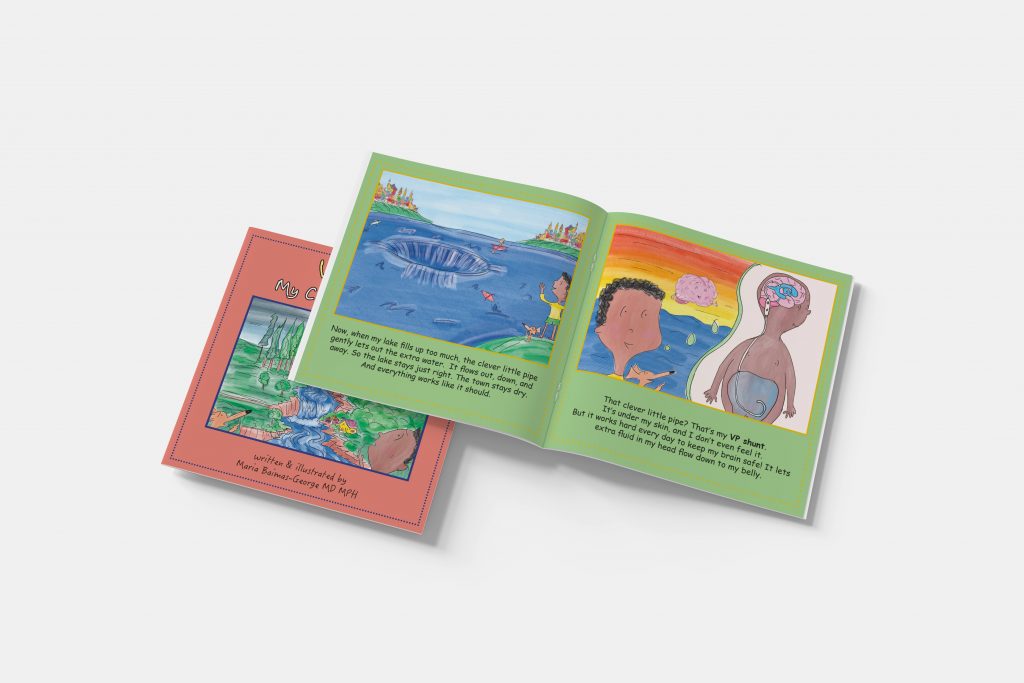
People choose saddle stitch booklets because they are:
- Cost effective compared to perfect bound or case bound options
- Lightweight and easy to distribute at events, in offices, or by mail
- Fast to produce without sacrificing a professional finish
- Easy to read with flat, smooth page flow from cover to cover
- Well suited to page counts between 8 and around 80 pages
They work especially well for educational guides, event programs, catalogs, patient resources, training manuals, and any project where the content needs to be both professional and approachable.
About TerryBooks and Dr. Maria Baimas-George
TerryBooks was co-founded by Dr. Maria Baimas-George and her sister Lianna Baimas-George. The company lives at the intersection of medicine, storytelling, and compassion, built around a simple and urgent idea, healthcare information should feel human.
Dr. Baimas-George studied molecular biology at Colgate University before earning both a Doctor of Medicine and a Master of Public Health at Tulane University. After many years of working with patients and their families gave her a clear firsthand view of a gap that nobody was filling in the medical field. Patients receive some of the most important information of their lives during some of the most stressful moments of their lives, usually in formats that feel cold, rushed, and impossible to absorb. Maria was ready to change the scene for all patients and start a new wave of empowerment and knowledge.
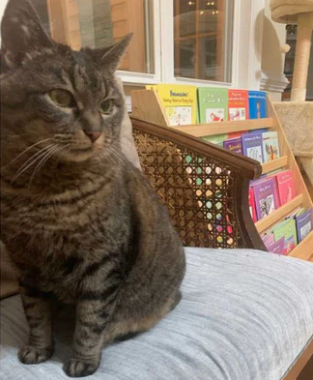
The company name has a personal story tied to it. TerryBooks was named after Terry, Dr. Baimas-George’s cat that she rescued while beginning medical school in New Orleans. Terry stayed by her side through years of training and continues to inspire the warmth woven into everything the brand produces.
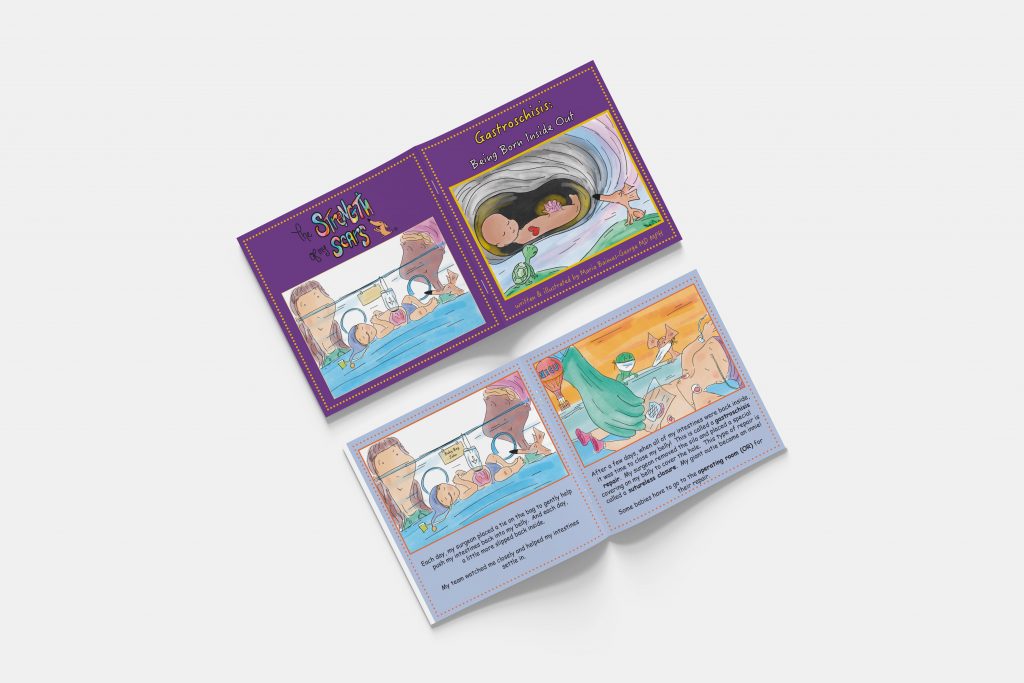
“The Strength of My Scars was inspired by seeing firsthand how overwhelming medical experiences can be for children and families, and how often important information is delivered in ways that are difficult to understand during stressful moments. We created these illustrated books to bring comfort, clarity, and empowerment through storytelling, and the project has grown into a library of 36 children’s books covering a wide range of medical topics, along with 12 comprehensive titles for adult patients, with more in development.” Lianna Baimas-George, TerryBooks
The TerryBooks team is actively expanding through partnerships with hospitals and organizations to make compassionate, accessible health education available to patients and families everywhere. The printed booklet is not just one product in their catalog. It is central to how they deliver their mission.
The Challenge: Making Medical Information Feel Human
Medical education materials have a reputation problem. Dense text, clinical diagrams, and formal language add stress to an already stressful situation. Patients and families can shut down before they reach page two.
TerryBooks needed a printed product that could accomplish four difficult things at the same time:
- Deliver accurate and reliable medical information
- Feel visually welcoming to a reader who may be frightened or overwhelmed
- Improve comprehension without oversimplifying the subject matter
- Maintain the professional credibility the content demands
Print quality was not a secondary concern here. A booklet that looked cheap or felt clinical would undermine the entire purpose of the project. The physical experience of holding the booklet had to match the emotional intent behind it.
The Solution: Print Specs Built Around the Reader
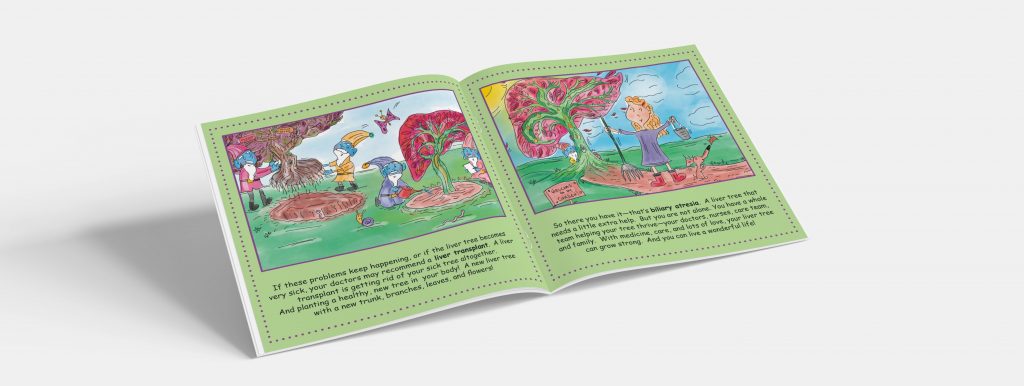
Every production decision on this project was made with the reader in mind, not just the budget or the timeline. Here is what the final printed booklet included:
| Size | 8×8 inches (square format) |
| Quantity | 150 |
| Binding | Saddle Stitch, Left Edge |
| Total Pages | 72 Pages |
| Cover Paper | 100# Matte Cardstock |
| Interior Paper | 70# Uncoated Text |
| Printing | Full Color Both Sides (4/4) |
None of these choices were defaults. The square 8×8 format signals immediately that this is not a standard medical handout. The uncoated interior paper reduces glare and creates a softer, warmer reading experience. The matte cardstock cover adds durability and a premium feel without the corporate gloss. And saddle stitch binding keeps the booklet lightweight and easy to navigate, which matters when a family member is flipping through it in a waiting room at 10 o’clock at night.
The Impact
The TerryBooks project demonstrates what happens when print quality is treated as part of the educational mission rather than an afterthought. The finished booklet does not feel like a medical document. It feels like something someone made for you, specifically, during a hard time.
That distinction matters in healthcare settings where understanding and reassurance carry equal weight. Research consistently shows that patients who feel informed and supported are more likely to follow through on treatment plans, ask better questions, and feel less alone in the process.
The project also points to a broader opportunity. Custom printed educational materials are increasingly being used by:
- Medical practices and surgical programs
- Hospitals and health systems
- Nonprofits and patient advocacy organizations
- Pediatric care teams working with families under stress
- Authors and educators building health literacy resources
As TerryBooks continues expanding through hospital and organizational partnerships, the printed booklet stays at the center of how they reach patients and families who need them most.
“Great medical education is not just about information. It is about helping patients feel seen, supported, and empowered.”
TerryBooks Project Print Specifications
| Size | 8×8 inches |
| Quantity | 150 |
| Binding | Saddle Stitch |
| Total Pages | 72 Pages |
| Cover Paper | 100# Matte Cardstock |
| Interior Paper | 70# Uncoated Text |
| Printing | Full Color Both Sides (4/4) |
| Binding Edge | Left Edge |
Other Popular Saddle Stitch Configurations
- 5.5×8.5 booklets for a classic handbook feel
- 8.5×11 catalogs and program guides
- Landscape formats for event programs and menus
- Square formats for photography, portfolios, and children’s books
- Matte or gloss covers depending on brand tone
- UV coated covers for added durability and a premium finish
- Heavier 80# or 100# text papers for a more substantial interior feel
Your Saddle Stitch Booklet: From Concept to Print
Before Production
Start by outlining your content and gathering visuals. A simple page plan built before opening design software saves time and prevents structural headaches later. Useful resources to have ready:
- Free Online Design Tool for building layouts without professional software
- Free Adobe Templates for InDesign, Photoshop, and Illustrator users
- Canva editable templates for a head start on layout
- Find a Designer if you want professional help with the visual execution
During Production
Review proofs carefully before approving. Confirm all of the following:
- Page order is correct from front cover to back
- Margins and safe zones are respected throughout
- Images are high resolution and not pixelated at print size
- Bleeds extend to all edges where content runs off the page
- Colors look correct and are in CMYK format
Use Free File Review to catch technical issues before printing begins. It is one of the simplest ways to protect your timeline and your budget.
After Distribution
A well-made booklet keeps working long after it leaves your hands. Printed materials have a shelf life that digital ads simply do not. Consider distributing yours through:
- Doctor’s offices, clinics, and hospital waiting rooms
- Conferences, health fairs, and educational events
- Direct mail campaigns targeting specific patient populations
- Consultation appointments as a leave-behind resource
- Organizational partnerships and community health programs
- Onboarding packages for new patients or program participants
Related Print Products Worth Considering
If you are creating educational booklets, you may find that a broader print strategy amplifies the impact. Organizations that use booklets effectively often pair them with:
- Perfect bound books for longer titles or comprehensive guides
- Wire bound manuals for training and reference materials
- Healthcare brochures for quick reference and high-volume distribution
- Medical posters for exam rooms and public-facing spaces
- Presentation folders for organizing multiple print materials
- Direct mail campaigns to reach patients outside of clinical settings
- Educational flyers for high-traffic or waiting room distribution
Frequently Asked Questions About Saddle Stitch Booklet Printing
What is saddle stitch booklet printing?
Saddle stitch booklet printing is a binding method where folded pages are stapled along the spine. It is one of the most common and cost-effective options for magazines, catalogs, educational guides, and marketing booklets.
How many pages can a saddle stitch booklet have?
Most saddle stitch booklets range from 8 to around 80 pages depending on paper thickness. Page counts must be divisible by four since each sheet of paper creates four pages when folded.
Why is uncoated paper recommended for educational booklets?
Uncoated paper reduces glare and creates a softer, more natural reading experience. It is preferred for healthcare, educational, and literary materials because it is easier on the eyes, especially under fluorescent lighting common in clinical settings.
What size works best for saddle stitch booklets?
Popular sizes include 5.5×8.5, 8.5×11, and square formats like 8×8. The best size depends on your content, your audience, and what feel you want the booklet to have in someone’s hands.
Can I design my own booklet without professional software?
Yes. Many creators use the Free Online Design Tool, Free Adobe Templates, or customizable Canva templates to build professional booklet designs without needing advanced design experience. If you want professional help, Find a Designer connects you with experienced print designers.
What industries use saddle stitch booklets most often?
Healthcare, education, nonprofits, retail, publishing, hospitality, and event organizations all rely on saddle stitch booklets for communication, education, and marketing. They are versatile enough to serve almost any industry that values printed communication.
How do I make sure my files are print ready?
Use the Free File Review service to check your files before submitting. The most common issues are low-resolution images, missing bleeds, incorrect color mode, and font problems. Catching these before printing saves time and avoids reprints.
Ready to Turn Your Print Projects Into Rewards?
If you’re a creator, author, designer, or growing business, did you know the PCUSA Creator & Partner Network was built for you? Share your work, tell your story, and earn Boss Bucks (print credit) or even cash just for participating! Programs like the Creator Spotlight, Success Stories, Partner Referrals, and the Affiliate Program let you get featured, grow your reach, and earn up to $650 in rewards at no cost to join. It takes just a few minutes. Get started now!
Ready to Create Your Own Educational Booklet?
Whether you are building patient resources, training materials, illustrated children’s books, or healthcare education guides, saddle stitch booklets remain one of the most effective and affordable print formats available.
The TerryBooks project is proof that print can do more than communicate information. It can create connection, trust, and understanding at moments when those things matter most.
PrintingCenterUSA makes it easy to bring your booklet to life with the quality it deserves:
- Free Online Design Tool – To help kickstart your design with drag and drop features for file creation!
- Free Adobe Templates – For all our Adobe die hards that need a good template
- Free File Review – Perfect for checking PDF files for bleed, trim, resolution, safety, and more before sending them to print
- Find a Designer – Great for anyone looking to have their project designed by a professional that partners with us!
- Free Sample Pack – Order yours today and experience the quality for yourself!
- Canva Editable Templates – We accept all Canva files and have knowledge to guide you through any project or question you may have on Canva
Bring your ideas to life with a professionally printed booklet readers will remember long after they turn the final page.