



The Complete Guide to Children’s Book Printing
The children’s book market is growing at a rapid rate. According to the Association of American Publishers, children’s and YA fiction sales reached $5.33 billion in 2024 and grew 20% between 2020 and 2024. If you’re a self-publisher thinking about hopping onto this new world, now is the time. But with that comes a lot of decisions to make beyond the content and illustrations: Size. Binding. Paper.
It can seem like a whole new world, if you’re doing this for the first time. Every choice seems like a lot when put all on the table at once. This guide breaks it all down so the children’s book printing process feels a lot less overwhelming, and you can walk into your order with confidence!
Starting Point
Unless you have kids or read along with kids, you probably can’t think of the last children’s book you read. It’s a good idea to go to a library or a bookstore and spend a few minutes looking at the books on the market. This will let you take it all in and give you an idea of what you want for your book. Was it lightweight? Easy to carry? Did it lay-flat? Is it big enough for kids to see the images if you’re reading to them?
There are lots of elements to consider. Once you have a feel for what is out there, here is what you need to know to make the right printing choices for your book.
Book Sizes For Children’s Books
Book size is the most important decision you make for the book. It determines how quickly kids notice it, if it can be read easily, how your illustrations will look on the page and how much it costs to produce.
In printing, the size is also called trim size. The trim size is just the final dimensions of your book after it has been trimmed and printed. This is important to know and give to your illustrator. If your illustrator creates artwork at the wrong size, you can resize it later, but it can create stretched images, cropped edges or white spaces that were never part of the original design. To make the process as easy as possible: choose your size before starting any artwork and build everything else around it
Portrait, Landscape, or Square: Choosing Your Orientation
First, determine what orientation you think will work best visually with your story. Your illustrations aren’t done yet, but you know the content and the overall vibe of the book.
Portrait is the vertical view and is taller than it is wide. It is the most common orientation for picture books. It works well for stories with scenes that have vertical elements like trees, buildings, or anything where the height adds to the story.
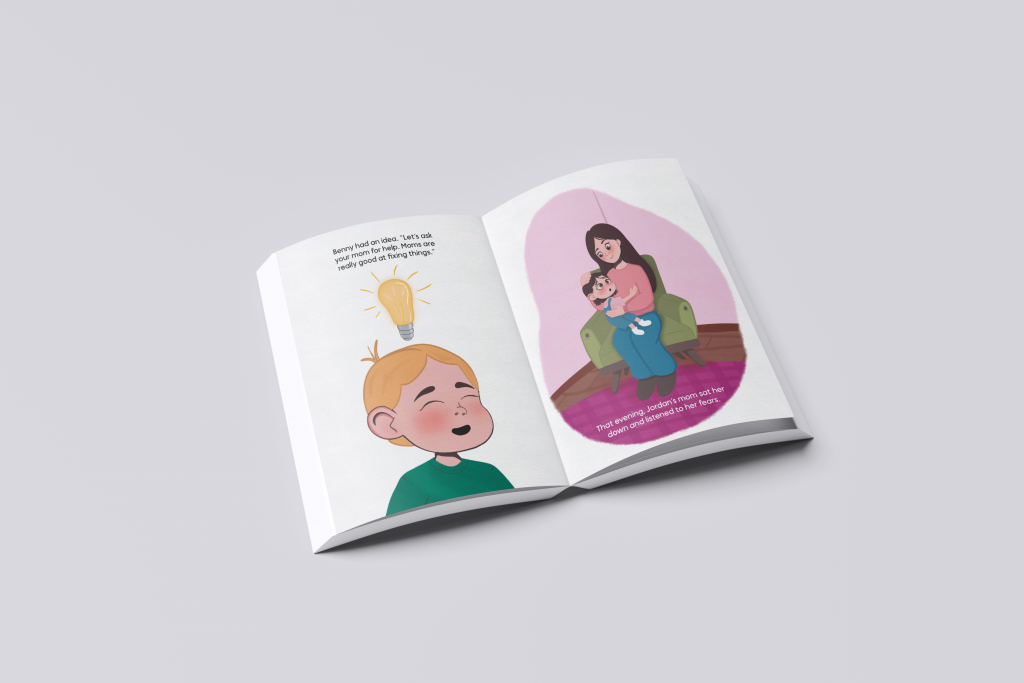
This example is from “Jordan Can’t Sleep” By Nancy Bogart. She uses the portrait size to make the illustrations bigger and have more breathing room to add to the characters shown.
What are the best portrait children’s book sizes?
- Board Books: 5.5 x 8.5
- Picture Books: 6 x 9, 8 x 10, 8.5 x 11
- Early Readers and Chapter Books: 5.5 x 8.5, 6 x 9
- Middle Grade: 5.25 x 7.5, 5.5 x 8.5
Landscape is the horizontal view and is wider than it is tall. This orientation is best fit for stories with images that span from page to page. Great for wide outdoor scenes or where the world around the characters is part of the narrative.
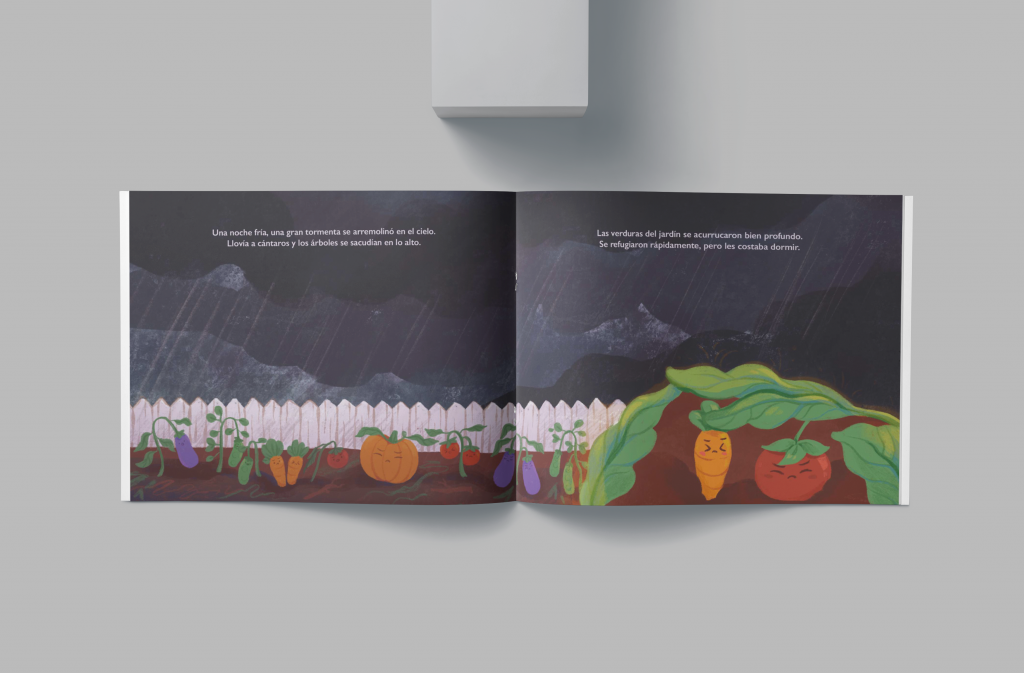
This example is from “Tommy y La Ramita” by Pages for Pediatrics. This book would not work as a portrait book because the full location adds to the story. Landscape works best.
What Are The Best Landscape Children’s Book Sizes?
- Picture Books: 10 x 8, 11 x 8.5
- Board Books: 8 x 6
Square is balanced on the width and height side. It’s proportioned and works for almost any illustration scene. Square is growing in popularity and is the safest starting point.
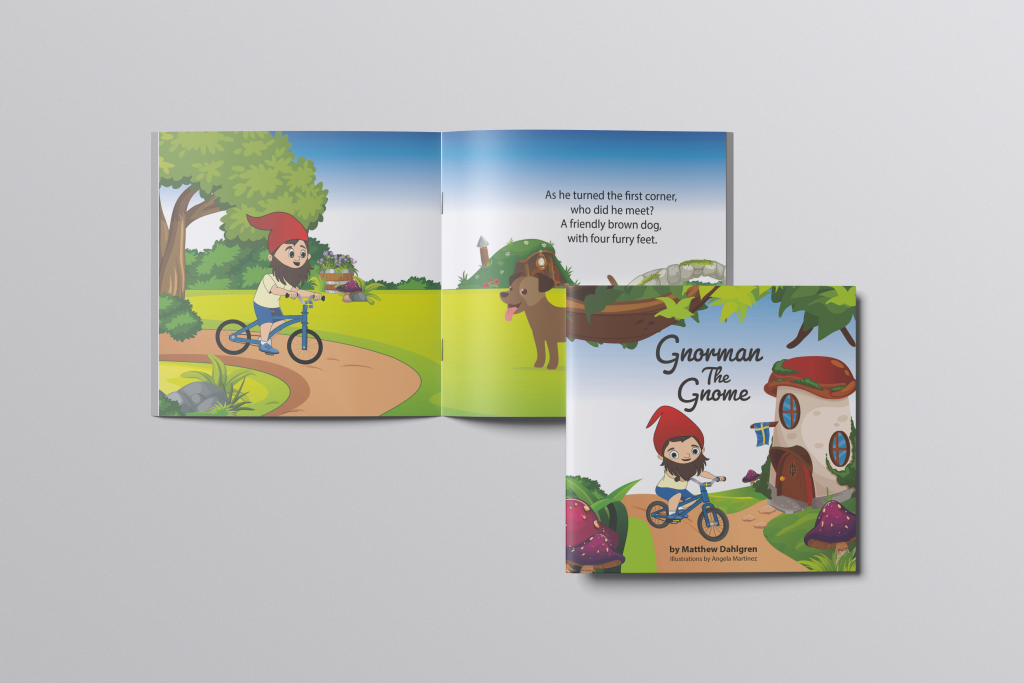
This example is from “Gnorman the Gnome” by Matthew Dahlgren.
What Are The Best Square Children’s Book Sizes?
- Board Books: 6 x 6
- Picture Books: 8 x 8, 8.5 x 8.5
Tip: Standard sizes cost less to print, ship faster, and fit shelves without any issues. If budget is a priority, stick to a standard size that your printer offers. At PrintingCenterUSA, custom sizes are available with a 10-copy minimum but will cost more per unit than standard options.
Binding Options for Children’s Books
Let’s be real, children’s books get handled a lot. It’s going to be dropped, stuffed in bags, and read over and over again. So, the right binding needs to be able to survive all of that and still look good! Here are your options
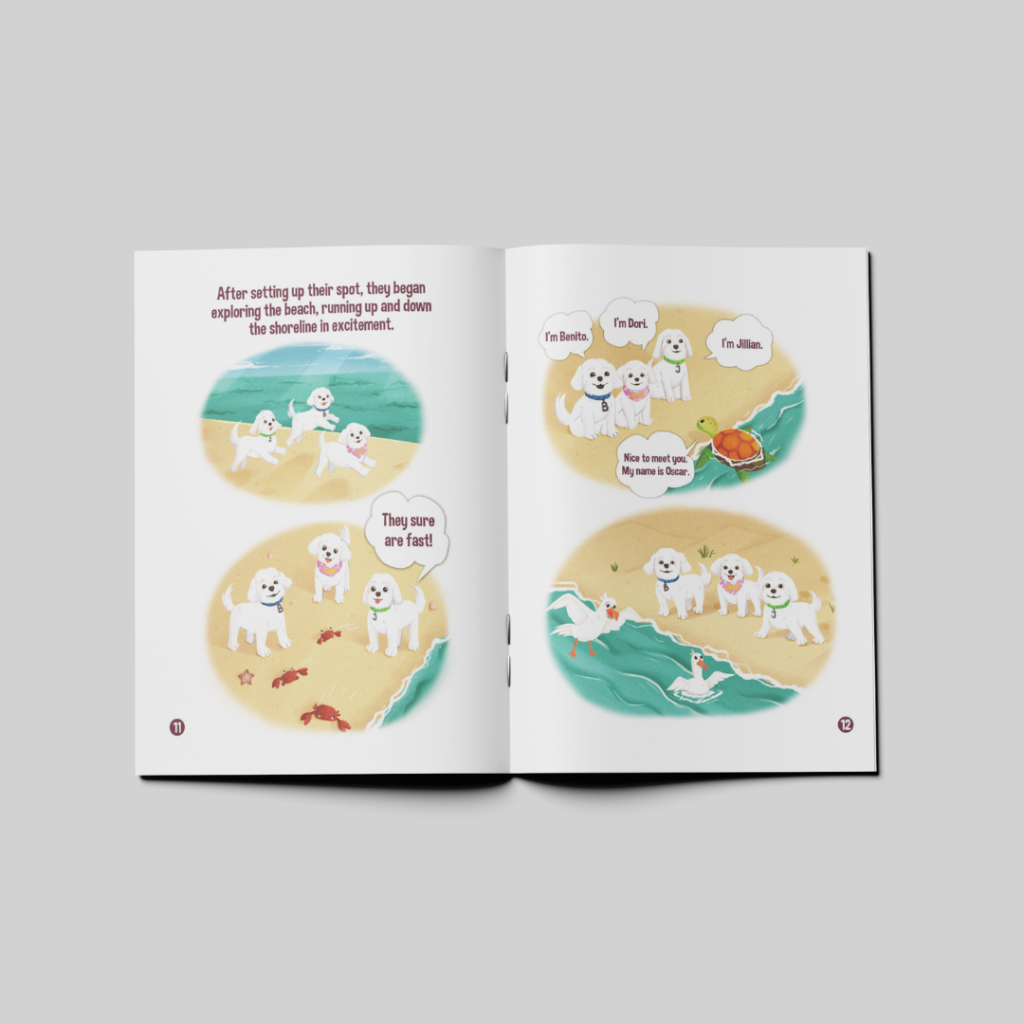
Saddle Stitch: #1 Recommended Binding for Shorter Children’s Books
Saddle-stitch has 2 staples along the spine to hold the pages together. It’s great for picture books where kids need to see both pages easily.
- Best for shorter picture books and early readers
- Most affordable binding option
- Lays flat when open
- Fast turnaround
- Page count must be in multiples of four
Perfect Binding: #1 Recommended Binding for Longer Children’s Books
Perfect binding is a softcover book with a printable spine.
- Best for longer picture books and chapter books
- Printable Spine
- Handles Higher Page Counts. (Starts at 28 Pages)
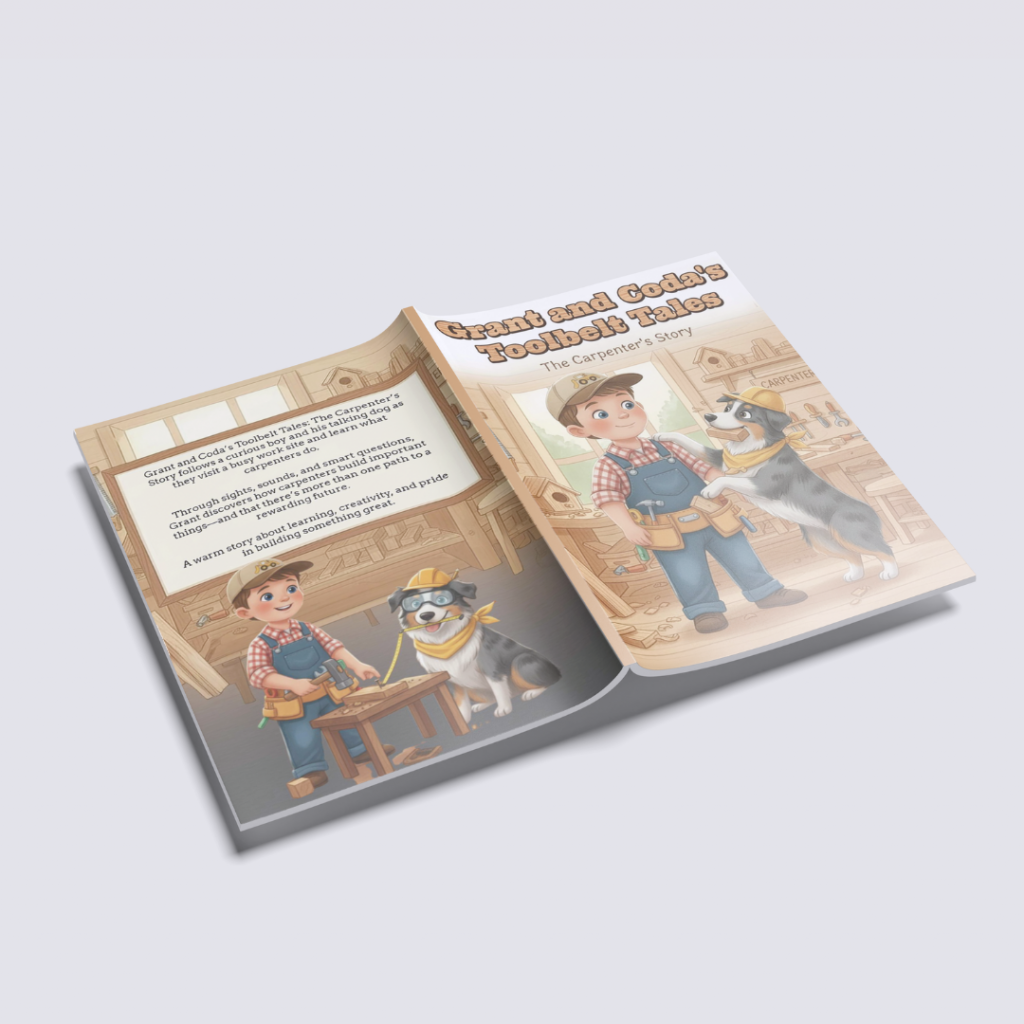
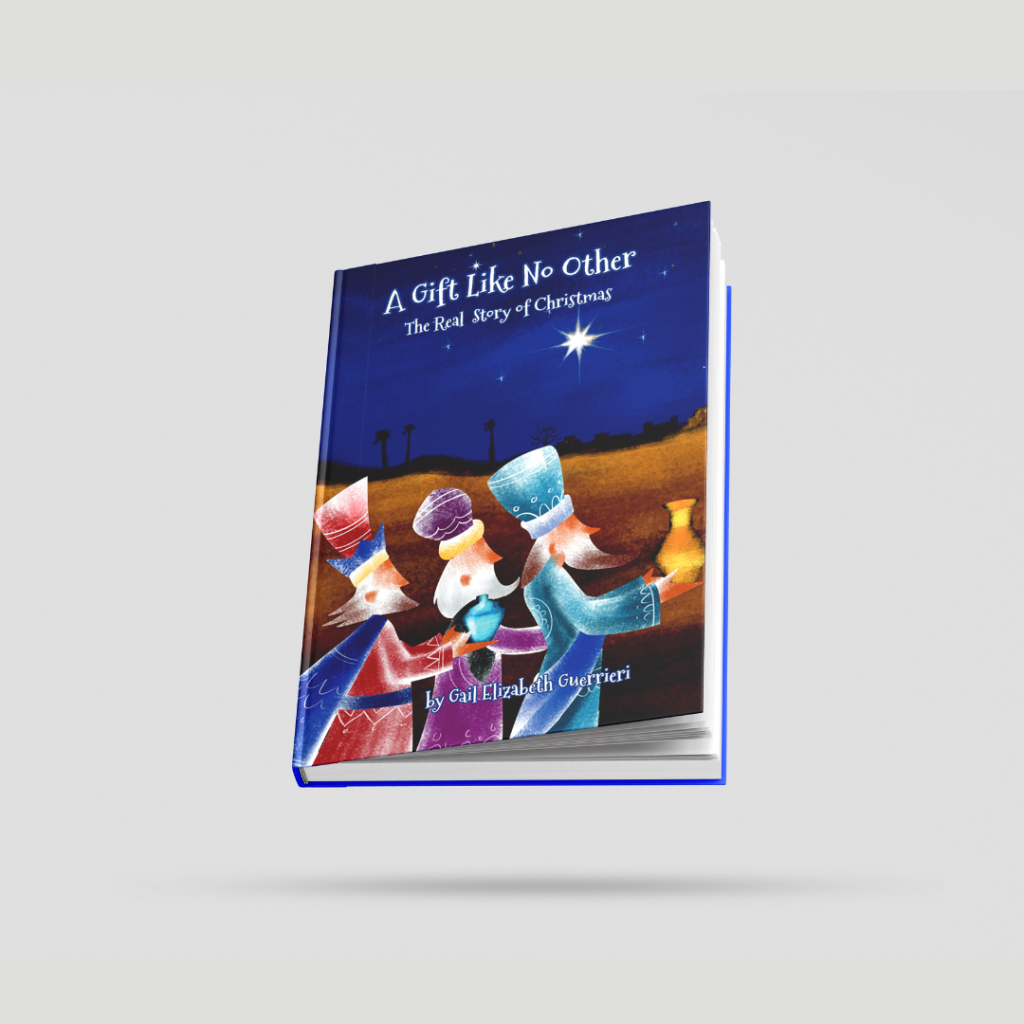
Hardcover: #1 Recommended Binding for Durability
Hardcover books are bound to a stiff protective cover. Out of all the binding options, hardcover has the most premium feel and is the most durable.
- Best for gifts
- Maximum durability
- Premium look
- Handles higher page counts ( starts at 30 pages)
Still unsure on what binding to choose? Read our in-depth book binding guide comparison here.
Paper Options
The right paper will help make your artwork stand out from the crowd and set the tone for the reading experience. There are two separate paper decisions to make: your interior pages and your cover stock. They are different materials and should be treated as separate choices.
Children’s book interiors are commonly printed on 100# text weight paper. The number is the weight of the paper. 100# paper is thick enough to hold up through repeated use without feeling flimsy and won’t tear easily. From here, the decision comes down to the finish of the paper, gloss or matte.
- Gloss paper makes colors pop. It instantly makes your artwork more eye-catching and is the most popular for picture heavy children’s books.
- Matte paper reduces glare and shows more detail in artwork. It is a great choice for books with more text per page.
Your cover uses a completely different and heavier material than your interior pages. Cover stock is measured by weight just like interior paper. Here are the two most popular choices:
- 80# Cover stock is light and flexible. A good choice if you want to keep costs down while still having a professional finish.
- 100# Cover stock is thicker and sturdier. It gives the cover more structure and durability. It’s a smart choice for a children’s book that will be used a lot.
Tip: If you’re still unsure on what to choose and want to see all of your options. Request a free sample packet from PrintingCenterUSA and feel the difference in person!
How AI is changing Children’s Book Creation
One of the biggest changes we have seen this past year is AI. AI is making it faster and cheaper to self-publish a children’s book. The appeal is obvious. AI tools can create your artwork in minutes, at a fraction of the cost that a professional illustrator can. That said, there are some things worth knowing before going all in on AI illustrations:
Quality is not perfect. Don’t get this wrong, the quality of AI artwork is improving but it still needs a human touch. The most common complaint is that it can’t consistently generate characters and it has trouble with hands and faces.
Copyright is still being worked out. There are no established guidelines on it yet. There have been many complaints and lawsuits brought up on what to do but it’s something you need to stay informed on if you go down this path.
A lot of people really just prefer human illustration. Parents and educators can usually tell the difference right away. They want to support a small business and think the AI illustrations all look the same. Human artwork has a special touch and look that AI cannot replicate.
At the end of the day, AI is a tool to help speed up the process and it comes down to preference. It’s important to spend extra time on the file resolution, artwork consistency, and making sure your artwork is print-ready before submitting.
Starting your Children’s Book? Download our Free Children’s Book Printing Guide.
From content planning to file setup, having a clear roadmap helps you avoid delays and stay organized. It is one of the easiest ways to make your first children’s book project feel manageable. Download here!
Frequently Asked Questions
Where Can I Find Free Children’s Book Templates? PrintingCenterUSA offers free Adobe templates for children’s books with the correct size, margins, and bleed already built in. Download them here and design them directly in Photoshop, Adobe Acrobat, Illustrator, or inDesign. If you do not have adobe, use our free online design tool to build your file from scratch with no software required.
What Is the Minimum Order Quantity for Printing a Children’s Books? With PrintingCenterUSA, you can print just 1 copy up to 50,000. This makes it easy for self-publishers to print a high-quality book without needing to commit to a large quantity upfront.
How Long Does it Take to Print a Children’s Book? Turnaround time depends on your printer. At PrintingCenterUSA standard printing is typically 3-4 business days after proof approval. If you’re on a tight schedule, we also offer expedited shipping & production options to help meet your deadlines.
How Much Does It Cost To Print a Children’s Book? It depends on your trim size, page count, binding, paper, and quantity. The more you print the lower your unit cost. Use PrintingCenterUSA’s instant quote tool to see real time pricing based on your exact specs.
What is The Best Size For Children’s Book Printing? The best size depends on your age group and illustration style. The most popular sizes have starting points. For board books, 6 x 6 is most common. For picture books, 8 x 8 is the most common. With early readers, 6 x 9 is most common. For middle school, 5.5 x 8.5 is most common.
Ready to Turn Your Print Projects Into Rewards?
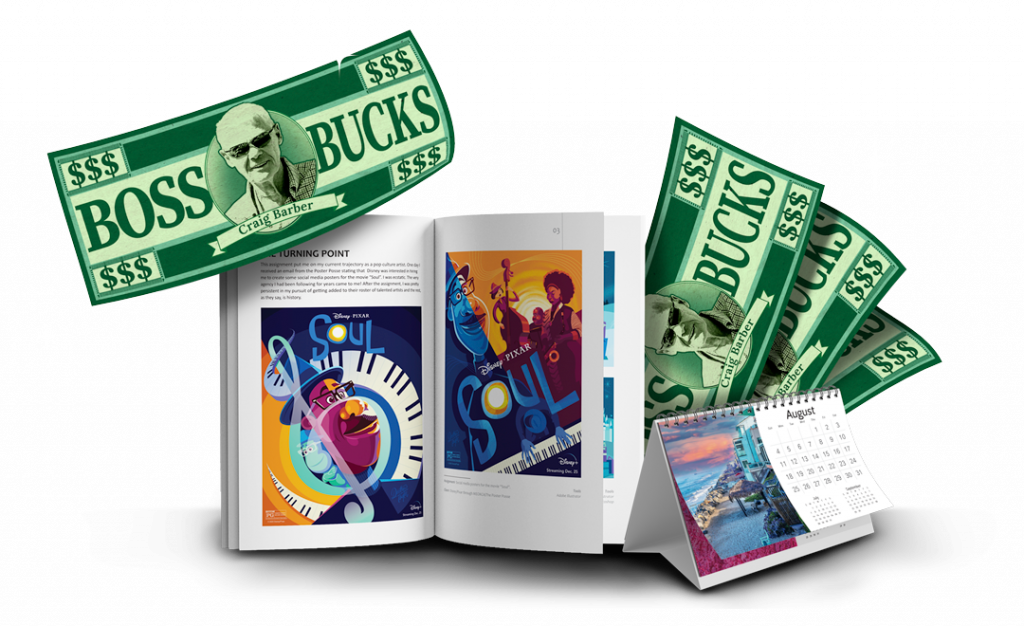
If you’re a creator, author, designer, or growing business, did you know the PCUSA Creator & Partner Network was built for you? Share your work, tell your story, and earn Boss Bucks (print credit) or even cash just for participating! Programs like the Creator Spotlight, Success Stories, Partner Referrals, and the Affiliate Program let you get featured, grow your reach, and earn up to $650 in rewards at no cost to join. It takes just a few minutes. Get started now!
Print Your Project Today!
Self-publishing a children’s book is one of the most rewarding things you can do as a creator or a storyteller. The process takes work, but every step is an investment in yourself.
PrintingCenterUSA has helped thousands of individuals and businesses bring their books to life with professional quality printing, fast turnaround, and a team that actually cares about how your project turns out. Whether you are printing 1 copy or 25,000, we are ready to help you get it done right every step of the way. Let us help you put it there today!