








Perfect Bound vs. Saddle Stitch Books
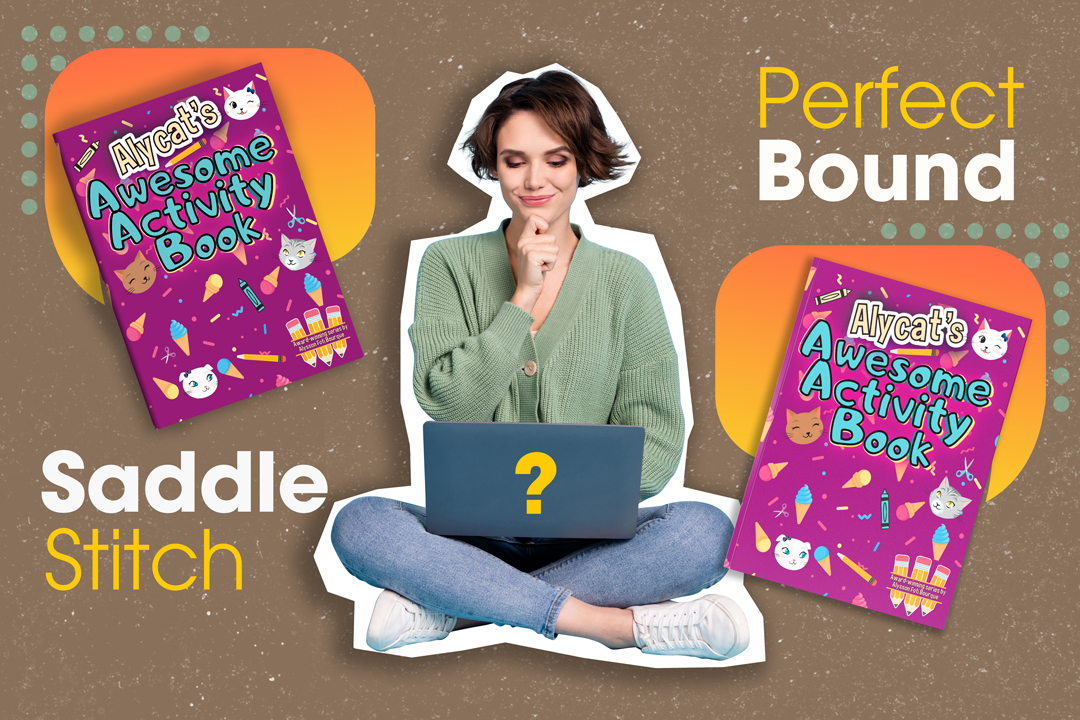
Starting your first quote in the pricing tool? You might be thinking, “Which binding is best for me?” and you aren’t alone! Deciding which binding is right for your project is something we help creatives with daily. A few things factor into which is best for your book, perfect bound or saddle stitch, like your page count, your budget, and what you want your finished book to look and feel like.
This guide walks you through both binding types, breaks down the pros and cons of each, and helps you figure out which one is the right fit for your next project. Start your project today!
What Is Perfect Binding?
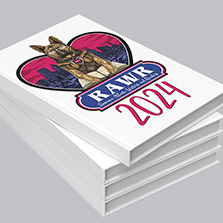
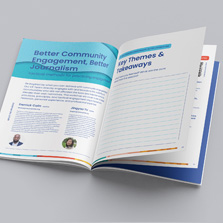
Perfect binding is a very common binding type and is more commonly known as softcover or paperback books.
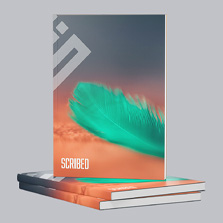
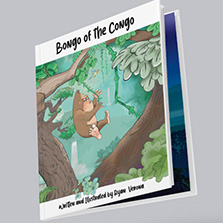
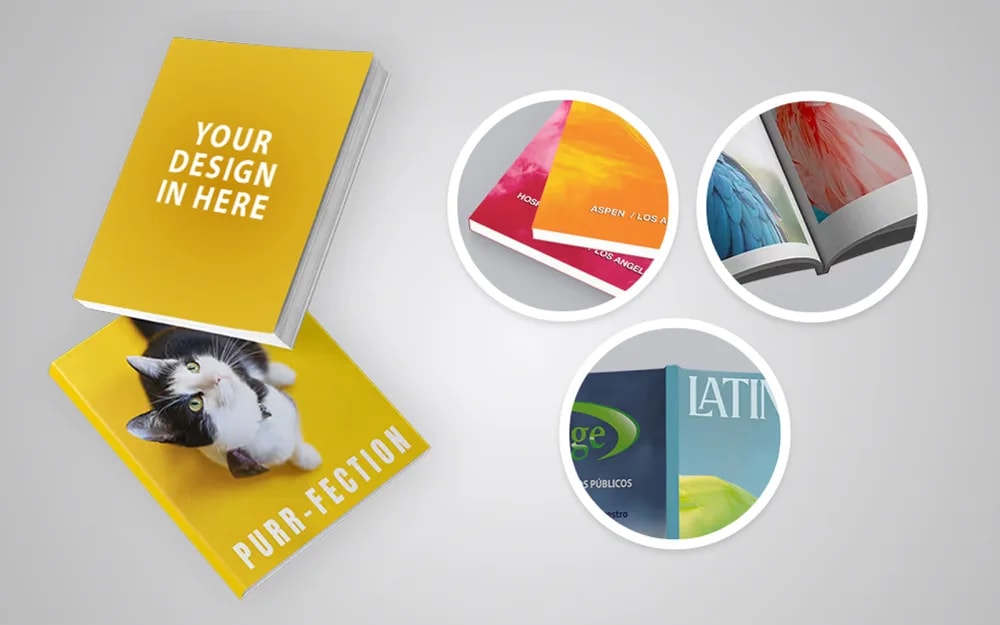
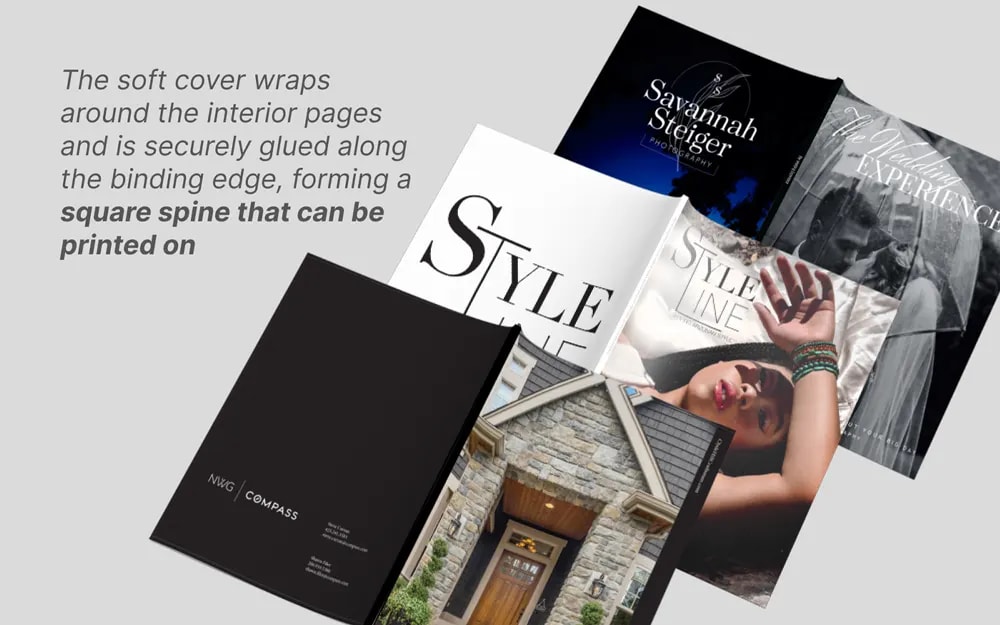
To create a perfect bound book, your pages are stacked together and the spine is coated with strong adhesive and the cover is wrapped around the pages to bind the book. The most desired feature of perfect bound books is their timeless looking square spine.
The result is a polished, professional-looking book with a flat spine you can print on. That’s a big deal if your books will be displayed on shelves or sold to subscribers.
Perfect Binding Common Uses
- Novels and trade paperbacks
- Self-published books
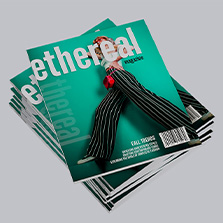
- Magazines and journals
- Product catalogs
- Annual reports
- Employee handbooks and company manuals
- Textbooks and workbooks
- Music books and songbooks
- Photo books
- Church directories
- Training and onboarding guides
- Course materials and study guides
- Menus (restaurant and catering)
- Portfolio books
What Is Saddle Stitch Binding?
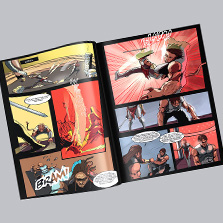
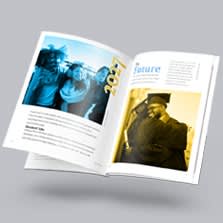
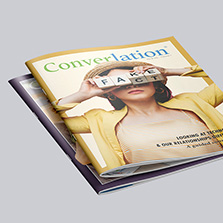
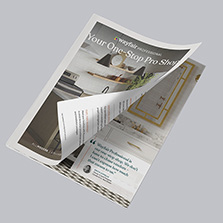
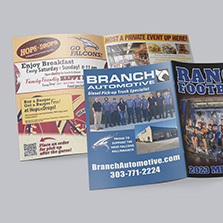
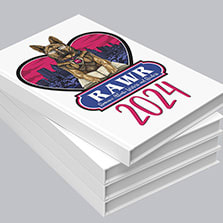
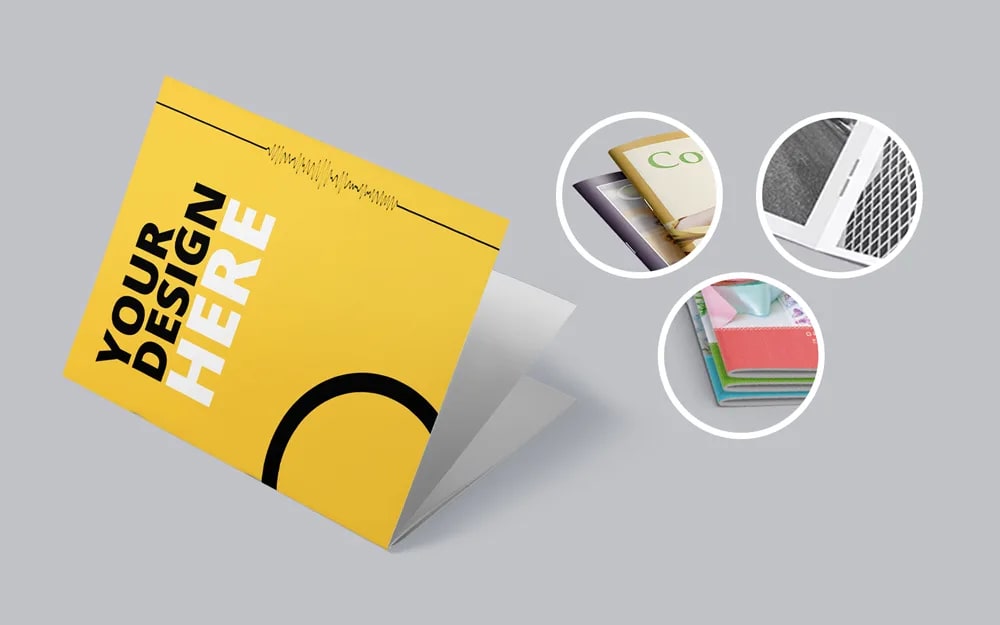
Saddle stitch binding is great for durability and is a more affordable option. To create a saddle stitch book, sheets of paper get folded in the center and stapled together to create a booklet. This binding is fast to produce and lightweight.
Pages in a saddle stitch book lay flat which makes them great for reference materials, guides, or anything readers need to spread out on their desk.
Saddle Stitch Common Uses
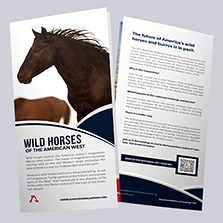
- Booklets and brochures
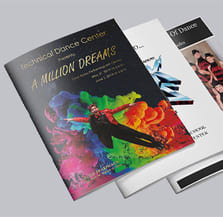
- Event programs and playbills
- Church bulletins
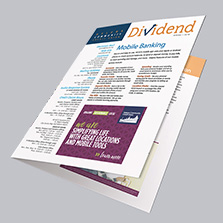
- Newsletters
- Photography packages and proof booklets
- Youth sports programs
- Real estate listing booklets
- School and university viewbooks (lower page counts)
- Comic books and zines
- Direct mail pieces
- Instruction and assembly guides
- Recipe booklets
- Product lookbooks
- Wedding and funeral programs
- Nonprofit donor and fundraising booklets
Page Count: The First Thing to Figure Out
Page count matters when binding your books becuase certain binding types can only accommodate certain page limits.
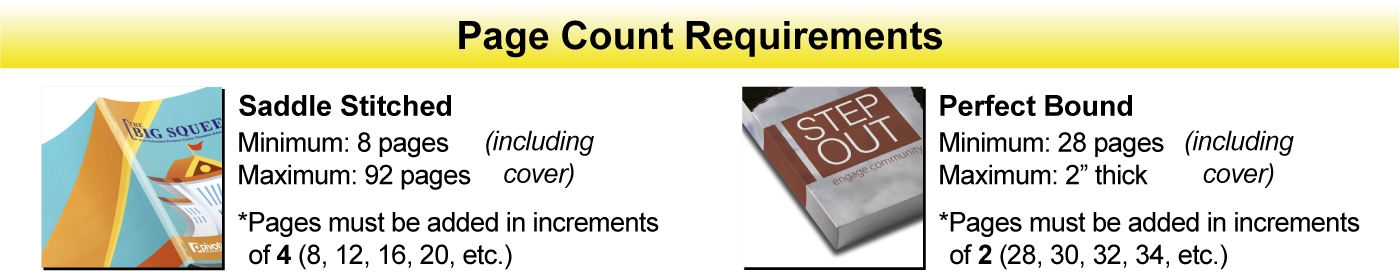
Saddle stitch booklets can have between 8 and 92 pages and is the most cost-effective option for small projects or lower page counts.
Perfect binding becomes the optimal choice once your book is over 28 pages and an even better choice for page counts over 92 pages. Perfect binding can go up to 800 pages so if your book is thick, with high page count, perfect bound is the best choice.
If your page count falls somewhere in the middle, say between 28 and 92 pages, both methods are technically on the table. That’s when budget, aesthetics, and intended use become the real tiebreakers.
Page Count
- Saddle stitch is recommended for booklets between 8 and 92 pages
- Perfect binding becomes an option at 28 pages and is the better choice over 92 pages
- For page counts between 28 and 92, both binding methods are viable and the decision comes down to budget, aesthetics, and use case
- PrintingCenterUSA supports saddle stitch up to 92 pages and perfect binding with no practical upper page limit
A Note on Page Creep
If you’re going with saddle stitch and your page count is on the higher end of that range, you’ll want to understand page creep before you finalize your files.
Creep happens when the inner pages of a saddle stitched booklet sit slightly farther out than the outer pages after trimming. The more pages you have, or the thicker your paper stock, the more noticeable this becomes. Elements like page numbers or borders placed close to the outer edge of inner pages can get trimmed off if creep isn’t accounted for in your file setup.
For lower page counts, creep is rarely a problem. But for booklets pushing 80 or 92 pages, it’s worth keeping your critical content and design elements away from the outer edges, especially on interior pages.
If you’re not sure whether your files are set up correctly, our Free File Review runs a 43-point automated inspection and catches issues like this before they become a problem on press.
Budget: What’s the Difference in Cost?
Saddle stitch is a cost savings option becuse the production process is simpler and requites less equipment and doesn’t require glue, keeping it a light weight option as well. With that, unit per cost lowers with increased quantity.
Perfect binding costs a little more than saddle stitch but it eliminates page count issues. With professional books like these the pricing is very competitive but the added investment usually pays of if you are marketing your book. Professional look and durability can support a higher price point and help your book stand out from the rest.
If budget is tight and your page count allows for it, saddle stitch is a solid choice. If you’re producing something you plan to sell, perfect binding is usually worth the extra spend.
Budget
- Saddle stitch binding costs less per unit than perfect binding, especially for shorter print runs
- The cost difference between saddle stitch and perfect binding narrows as print quantity increases
- Perfect binding supports a higher retail price point due to its professional appearance and durability
- For projects intended to be sold or subscribed to, perfect binding often delivers a stronger return on investment
Spine Printing: A Feature Worth Talking About!
Perfect bound has one additional feature that will seriously make your book stand out in the best way. Perfect bound books offer a printable spine because they have a flat square spine. Include matching cover graphics, title, author name, logo, and any other branding or iconic fun right on the spine of your book.
Spine printing will complete your perfect bound book and give it that library ready look. Blank spines are a tell to poor craftsmanship and thought put into the book. Without a unique spine, displayed on the shelf your book will go unnoticed.
One advantage of perfect binding that often goes overlooked is the printable spine. Because perfect bound books have a flat, square spine, you can include your title, author name, logo, issue number, or any other text or branding right on the spine. Saddle stitched booklets have a folded spine with staples, so there’s no printable surface there.
If shelf presence or brand visibility is important for your project, perfect binding is the clear choice.
Spine Printing
- Perfect bound books have a flat, square spine that can be printed with titles, author names, logos, issue numbers, or branding
- Saddle stitched booklets have a folded, stapled spine with no printable surface
- Spine printing is important for books displayed on shelves, in stores, or in libraries where the spine is the primary visible surface
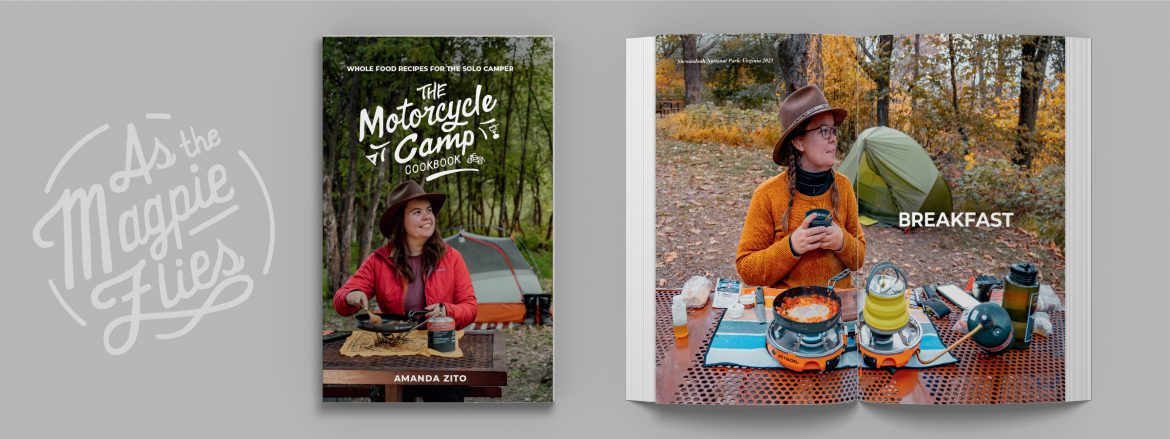
Customer Example: Meet Amanda Zito, the Moto-Chef!
Amanda Zito spent years motorcycle camping across the country before she hit her limit with sad camp food. Canned soup on a scenic highway? No thank you. So she did what any reasonable person would do and wrote a cookbook about it.
The Motorcycle Camp Cookbook is perfect bound, and for good reason. It’s a real book with real recipes, gear guides, and photography. It needed to survive life on the road and look like something worth buying, not something stapled together at a copy shop.
Her crowdfunding campaign hit its $5,000 goal in two hours. Turns out people really do want gourmet meals under the stars.
Binding isn’t the flashiest decision you’ll make for your book, but it’s one of the first things a reader notices. Amanda’s book looks like it belongs on a shelf because it was printed like it does.
Read Amanda’s full story here.
Side-by-Side Comparison
| Saddle Stitch | Perfect Bound | |
|---|---|---|
| Page count range | 8 to 92 pages | 28 pages and up |
| Cost | More affordable | Higher, but competitive at volume |
| Spine printing | No | Yes |
| Lay flat when open | Yes | No |
| Best for | Booklets, brochures, programs, newsletters | Books, magazines, catalogs, manuals |
| Durability | Good for short to medium term | Better for long-term and frequent use |
| Creep consideration | Yes, at higher page counts | No |
Comparison Table
- Saddle stitch page range: 8 to 92 pages; perfect binding page range: 28 pages and up
- Saddle stitch is more affordable; perfect binding is more expensive but becomes cost-competitive at higher volumes
- Saddle stitch booklets lie flat when opened; perfect bound books typically do not
- Perfect bound books offer better long-term durability than saddle stitched booklets
- Only perfect binding offers a printable spine
- Saddle stitch requires creep consideration at higher page counts; perfect binding does not
Choosing Between the Two
- Saddle stitch is the better choice for projects under 92 pages with tighter budgets, fast turnaround needs, or lay-flat usability requirements
- Perfect binding is the better choice for high page counts, books intended for retail or shelf display, or projects requiring a polished and durable finish
- PrintingCenterUSA offers a Free Sample Pack so customers can compare the look and feel of both binding types before ordering
Which Binding Is Right for You?
92 pages or less with a tight budget and turn around? Saddle stitch is for you! High page count with a clean, professional look for shelves? Perfect bound is the right option! Still not sure? Order a free sample pack and explore our options or give our team a call! We are more than happy to walk you through the options based on your specific project. Saddle stitch or perfect binding we got you! Start your book project today.