


THE ULTIMATE GUIDE TO SPIRAL BOUND BOOKS
If you have ever cooked from a cookbook that kept flopping shut, or tried to reference a training manual while your hands were full, you already understand the problem spiral binding solves. It stays open. It lays flat. It gets out of your way and lets you actually use the book. That is not a small thing when the whole point of a printed piece is to be useful.
This guide covers everything you need to know about spiral bound books, from when to use them and how they compare to other binding types, to design tips and paper choices that will make your finished project look and feel exactly the way you intended.
What Is Spiral Binding?
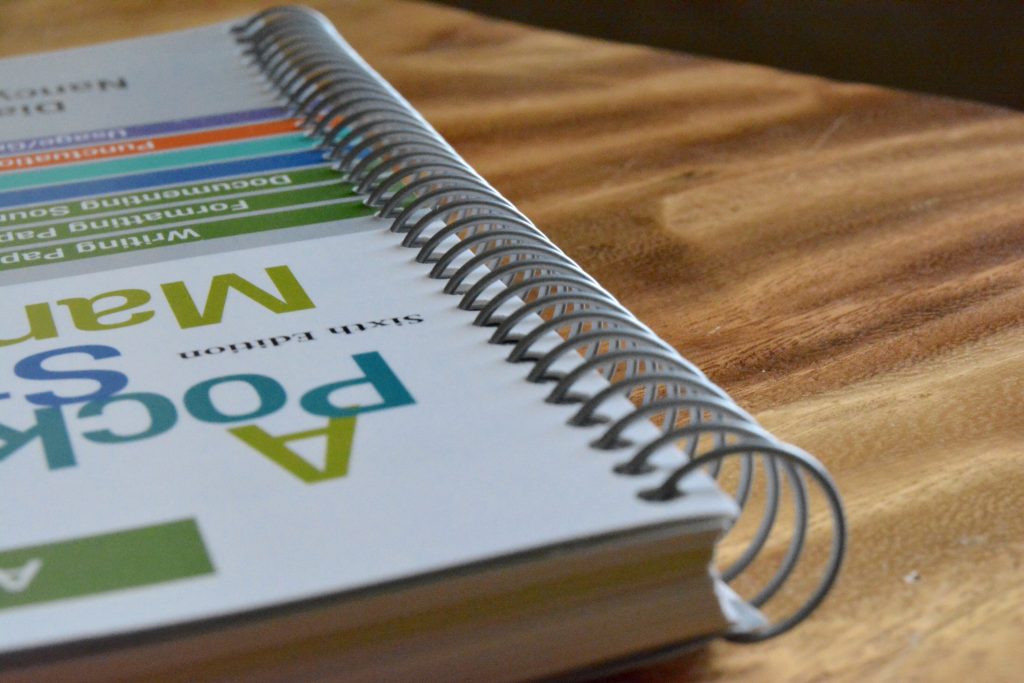
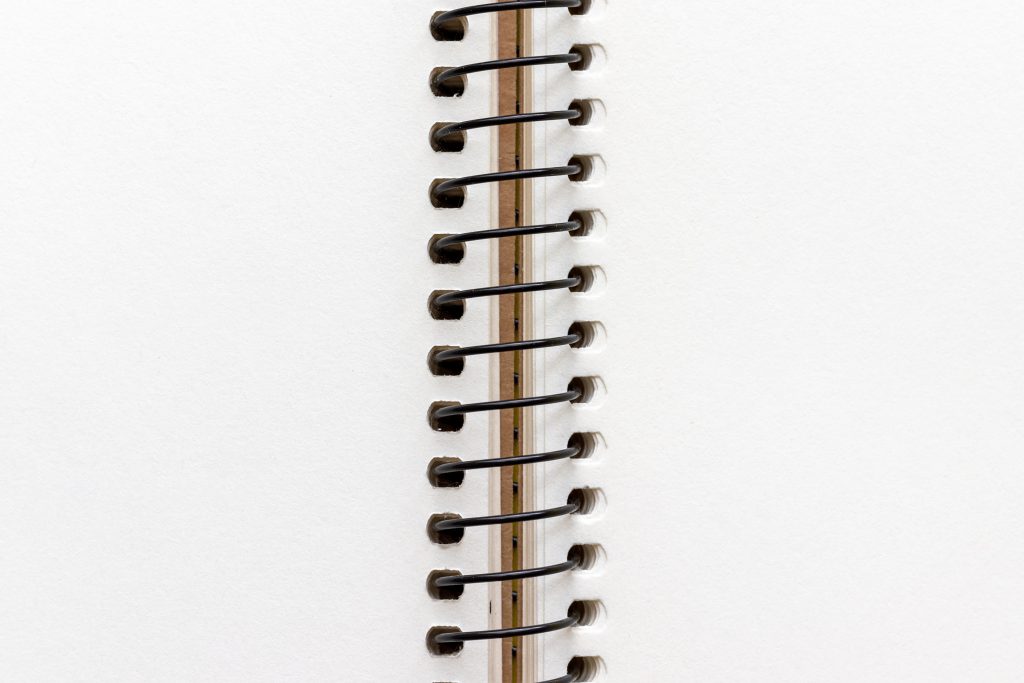
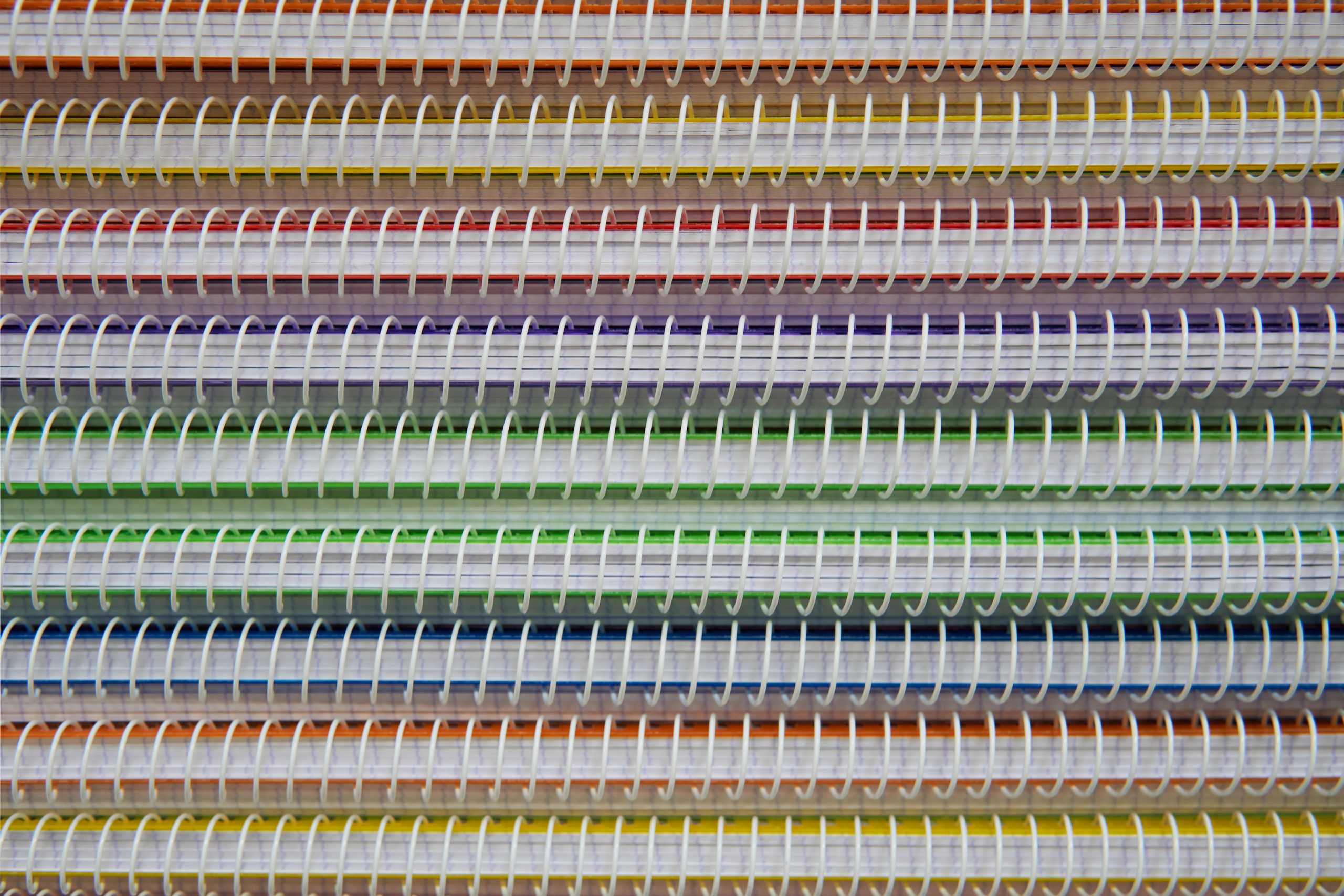
Spiral binding uses a durable plastic coil threaded through punched holes along the binding edge of a book. That coil is what gives spiral bound books their defining characteristics. Pages lay completely flat when the book is open, rotate a full 360 degrees, and turn without any spine tension fighting back against you. For books that need to stay open while being actively used, spiral binding is the most practical choice available.
It is worth noting that spiral binding is not the same as wire-o binding, even though the two are often confused. More on that distinction in a moment.
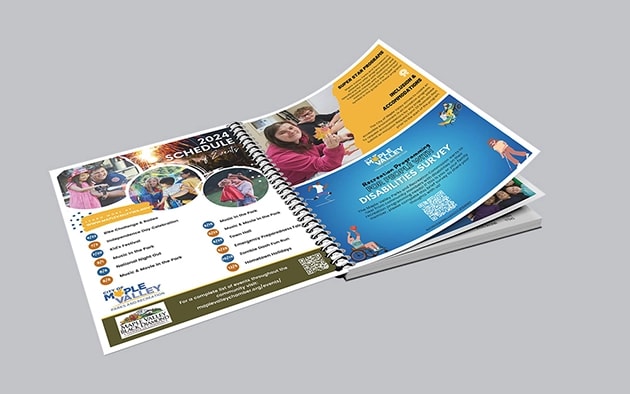
Spiral Binding: Quick Reference Facts
What is spiral binding: A print binding method that uses a continuous plastic coil threaded through punched holes along the binding edge of a book.
How it works: Pages are printed, cut to trim size, collated in order, hole punched, and bound with a plastic coil that is crimped at both ends to prevent unwinding.
Key characteristics:
- Pages lay completely flat when open.
- Books rotate a full 360 degrees. There is no spine tension. There is no printable spine.
- Minimum page count: 8 pages
- Maximum thickness: 2.75 inches
- Page count increments: Multiples of 2
- Required binding-side margin: 7/8 inch minimum
- Coil material: Durable black plastic
How spiral binding differs from wire-o: Wire-o uses a double-loop metal wire instead of a plastic coil and has a more formal professional appearance.
How spiral binding differs from saddle stitch: Saddle stitch uses metal staples along a folded spine and has a maximum of 92 pages. Spiral binding is more durable and has a higher page count ceiling.
How spiral binding differs from perfect binding: Perfect binding uses adhesive and a wrapped softcover with a printable square spine. Spiral binding lays flat and is better suited for active daily use.
Common use cases: Cookbooks, training manuals, employee handbooks, workbooks, coloring books, planners, calendars, reports, and guides.
Available sizes at PrintingCenterUSA: Portrait, landscape, and square formats with custom sizing available between 4 and 9 inches tall and 5 and 12 inches wide.
Free resources available: Adobe templates with pre-set margins and bleed, free file review, and free sample pack.
How to Set up Bleed & Margins for Spiral Bound Printing
What is full bleed printing? To put it simply, full bleed is where a picture is printed larger than the trim size, so that when the paper is cut down to size, the picture looks like it’s ‘bleeding’ off the edge of the paper. This goes into the margins that are required for your print project. When setting up your file, it is very important to set up your trim line, bleed, and safety correctly so that you don’t have to go back and edit your files after you’re already done designing it.
Trim Line: The final size of the document after the last cut is made.
Safety: The safe area or inner margin in which all of the important elements (such as logos and page numbers) should be within to prevent them from being trimmed off. This margin should be at least 1/8” inside the edge of the trim line.
Bleed: Bleed refers to an extra 1/8” of image that extends beyond your printing piece.
However, for Spiral, Wire-O, and Perfect Bound, your binding edge margins should be set to 7/8” to leave enough room for the binding.
For more information on full bleed printing, click here to read our blog post.
Why Spiral Binding Works
The practical advantages of spiral binding come down to a few things that other binding styles simply cannot replicate. The lay-flat design means you do not need a paperweight, a second hand, or a jar of something heavy to keep the book open on your desk or counter. The 360-degree rotation means pages can fold completely back on themselves, which is genuinely useful when you are working in a tight space and need to focus on a single page. And because there is no spine tension, turning pages feels effortless even after the book has been used hundreds of times.
On top of that, spiral binding offers more flexibility on page count than saddle stitch or perfect binding, and it holds up to the kind of daily wear that would wear out a less durable binding in a matter of months.
What Spiral Bound Books Are Best For
Spiral binding works across a surprisingly wide range of projects, and the common thread between all of them is active use. These are not books that sit on a shelf. They are books that get opened, referenced, written in, cooked from, and carried around.
Cookbooks are one of the most popular spiral bound products for exactly this reason. A cookbook that lays flat on the counter and stays open to the right page while you cook is genuinely more useful than one that does not. No holding it open with the olive oil bottle. No losing your place mid-recipe.
Manuals and training guides are another natural fit. Employee handbooks, safety manuals, technical guides, and field training books all benefit from a binding that holds up to repeated use and stays open while the reader is working with both hands. PrintingCenterUSA can also add hole drilling to spiral bound manuals so they fit into a three-ring binder if that works better for your organization.
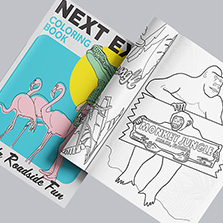
Workbooks and coloring books work well in spiral because the lay-flat design makes writing and drawing easier and more comfortable. Schools have been putting spiral notebooks on supply lists for decades for exactly this reason. The same logic applies to custom workbooks, journals, planners, and educational materials.
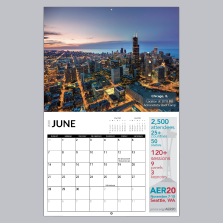
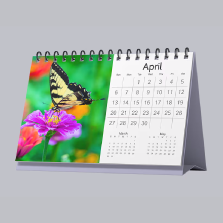
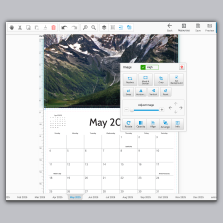
Calendars are another strong use case. Spiral bound calendars flip smoothly from month to month and hang flat against the wall without curling at the edges. It is a small detail that makes a real difference in daily use.
Types of Books and Projects That Use Spiral Binding
Cookbooks
Employee handbooks
Training manuals
Safety manuals
Technical guides
Workbooks
Planner
Coloring books
Children’s activity book
Calendars
Lookbooks
Recipe books and cookbooks
Church bulletins and programs
Event programs
Music books and chord charts
When Spiral Binding Is Not the Right Choice
Spiral binding is practical and versatile but it is not the right fit for every project. If you need a printable spine, spiral binding cannot give you that because the spine is the coil itself. If your book will sit on bookstore shelves or needs to convey a formal, luxury feel, perfect binding or hardcover will serve you better. And if your project is a short, lightweight piece under 92 pages that does not need to lay flat, saddle stitch is more cost-effective. Knowing when not to use spiral binding is just as useful as knowing when to reach for it.
Spiral Binding vs Other Binding Types
Spiral vs Wire-O
Spiral and wire-o are functionally nearly identical. Both lay flat, both open 360 degrees, and neither has a printable spine. The difference is entirely in the look of the finished product. Spiral uses a plastic coil that gives it a durable, casual, practical appearance. Wire-o uses a metal wire that looks cleaner and more polished, which is why it tends to be the choice for corporate presentations, client-facing documents, and anything where the visual impression of professionalism matters as much as the functionality. If your spiral bound book is going to a job site or a kitchen, choose spiral. If it is going into a boardroom, consider wire-o.
Spiral vs Perfect Bound
Perfect binding gives you a square printable spine and a bookstore-ready appearance. It is the standard for trade paperbacks, professional catalogs, and anything that will be shelved and browsed. What it does not do is lay flat or handle active daily use the way spiral does. Choose spiral when your reader needs to use the book with their hands. Choose perfect bound when the book needs to look good on a shelf.
Spiral vs Saddle Stitch
Saddle stitch is the most affordable option, stapled along the spine and lightweight, with a page count maximum of 92 pages. It works beautifully for shorter pieces that do not need to lay flat. Spiral costs a bit more but gives you more flexibility on page count, significantly more durability, and a much better experience for books that will be used repeatedly over time.
Page Count and Specs
One of the genuine advantages spiral binding has over other options is flexibility on page count. Saddle stitch maxes out at 92 pages. Perfect binding requires a minimum of 28. Spiral binding starts at 8 pages and goes up to 2¾ inches thick with page counts in multiples of two, which gives you a lot of room to work with regardless of how much content you have.
Choosing the Right Paper
Paper choice changes both how your book looks and how it feels to use, so it is worth thinking through before you place your order.
Gloss paper is the right call for projects where images, photography, and full-color design carry the weight of the content. The shiny coating makes colors pop and gives the piece a sharp, polished look. 100# gloss text is the most popular interior paper for spiral bound projects with heavy imagery, and 100# gloss cover with a UV high gloss finish is the most popular cover choice at PrintingCenterUSA. The UV coating adds a luxurious shine and protects against scratching and scuffing from frequent handling.
Matte paper is better for text-heavy projects where readability matters more than visual impact. It is glare-free and easier on the eyes under bright or overhead lighting. Manuals, guides, and reports almost always benefit from matte interiors.
Uncoated paper is the right choice when people will be writing or drawing directly on the pages. Workbooks, journals, planners, and coloring books all benefit from the writable surface that uncoated paper provides. 60# and 70# uncoated text are both solid options depending on how much bulk you want in your pages.
If you want to feel the difference between paper options before you commit, order a free sample pack from PrintingCenterUSA and compare weights and finishes in hand.
Popular Sizes for Spiral Bound Projects
PrintingCenterUSA offers spiral binding across a wide range of sizes. The most popular is 8.5 x 11 for manuals, workbooks, and cookbooks. 5.5 x 8.5 works well for planners and guides where portability matters. 8 x 8 is a popular square format for coloring books and creative projects. Landscape orientation in 11 x 8.5 is a natural fit for calendars.
Other available sizes include 6 x 9, 6 x 6, A4, A5, and A6. Custom sizes are also available with a height between 4 and 9 inches and a width between 5 and 12 inches, which covers most project needs.
Design Tips Before You Start
A few setup decisions made early will save you significant time later.
The most important one is your binding-side margin. Set it to 7/8 inches to leave enough room for the coil. Content that runs too close to the binding edge will either be hidden behind the coil or punched through during production. Get this right in your template before you design a single page.
Avoid image spreads across two pages. In saddle stitch printing a spread across the center fold can look great. In spiral binding the coil runs directly through any spread between facing pages and will interrupt the image. Keep full-bleed visuals contained to individual pages.
Use images at 300 DPI minimum. Anything lower will print blurry or pixelated. Pull images directly from your camera rather than downloading from social media or email, both of which compress images to 72 DPI, which is fine for screens but far too low for print.
Consider adding a clear front cover or vinyl back cover to your order. The clear cover protects your design and makes it easy to identify the front of the book if pages get folded back on themselves.
PrintingCenterUSA offers free downloadable templates for Adobe Illustrator, InDesign, Photoshop, and Acrobat in the most popular spiral sizes. The margins, bleed, and safety zones are already set up so you can start designing without any guesswork. Not ready to design yet? Our Find a Designer service connects you with a professional if you want expert help from the start. Some people even try Canva and have great success!
Ready to Turn Your Print Projects Into Rewards?
If you’re a creator, author, designer, or growing business, did you know the PCUSA Creator & Partner Network was built for you? Share your work, tell your story, and earn Boss Bucks (print credit) or even cash just for participating! Programs like the Creator Spotlight, Success Stories, Partner Referrals, and the Affiliate Program let you get featured, grow your reach, and earn up to $650 in rewards at no cost to join. It takes just a few minutes. Get started now!
Frequently Asked Questions
What are the coils made from? The coils are made from durable plastic, which holds up well to repeated use and everyday handling without cracking or unwinding. Standard coils are black and work with any cover color or design.
Do spiral bound books lay flat? Yes, completely flat. This is one of the defining advantages of spiral binding and one of the main reasons people choose it over saddle stitch or perfect binding.
Can spiral bound books open 360 degrees? Yes. Pages rotate a full 360 degrees and can fold completely back on themselves, which makes the book compact and easy to use with one hand.
Can I print on the spine of a spiral bound book? No. The spine is the coil itself so there is no printable surface. If a printable spine is important for your project, perfect binding is the right choice.
Is spiral binding cost-effective for small quantities? Yes. PrintingCenterUSA uses a combination of short-run digital printing for smaller quantities and bulk offset printing for larger runs, which keeps pricing accessible at any quantity. Get an instant quote on the spiral bound product page to see exactly what your project would cost.
What is the minimum page count for spiral binding? The minimum is 8 pages with page counts in multiples of two from there.
Can spiral bound books be mailed? Yes. Spiral bound books are lightweight and durable, which makes them practical for mailing guides, training materials, educational packets, and promotional pieces.
Start Your Spiral Bound Project
Not sure how to get your file print-ready? Download a free spiral bound Adobe template, submit your file for a free file review, or connect with a professional through our Find a Designer service. However you like to work, we have an option that fits.
Download free spiral bound templates
Upload your file for a free file review
Order a free sample pack to compare paper and finish options
Get an instant quote for your spiral bound project at PrintingCenterUSA!