
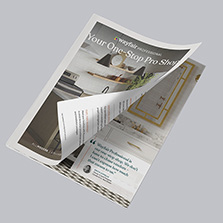
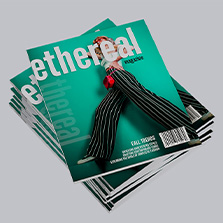
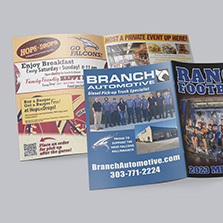
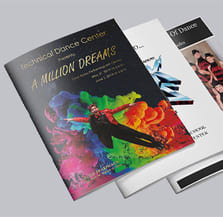














Book Printing Services: Quality, Price, and Fast Turnarounds
Choosing the right book printing services directly affects cost, schedule, and the final product readers hold. Short-run book printing is commonly cost-effective for runs under 1,000 copies, while offset printing typically becomes cheaper per unit for larger quantities. This guide explains how to evaluate options, compare quotes, prepare files, and order online with PrintingCenterUSA to get high-quality, predictable results.
Key Takeaways
- Formats, bindings, paper, and finishes drive both quality and price.
- Compare quotes on unit cost, setup fees, and turnaround, not just price per book.
- Prepare print-ready PDFs with 300 DPI images, CMYK conversion, bleeds, and embedded fonts.
- Proofs and color management reduce costly reprints; request physical proofs for color-critical
work. - PrintingCenterUSA offers online quoting, short-run options, and fast turnarounds for publishers
and authors.
Understanding Book Printing Services
Book printing services range from print-on-demand to full offset production. Choose a vendor that supports the formats and finishes you need, reliable proofs, and transparent pricing. PrintingCenterUSA is a U.S.-based online partner that combines short-run digital options with offset capacity, making it suitable for indie authors, small presses, and businesses. Formats and bindings Common formats include trade paperback, mass market, hardcover, and saddle-stitched booklets.
Binding types affect durability and cost:
- perfect binding – standard for trade paperbacks, clean spine printing
- casebound hardcovers – premium feel, dust jackets optional
- saddle stitch – economical for thin booklets or catalogs
- spiral or wire-o – for workbooks and manuals
Choose binding based on page count, budget, and intended lifetime of the book.
What are Book Printing Services?
Book printing services are companies or facilities that handle the physical production of books, from manuscript to finished product.
They typically offer:
- Offset printing for large print runs (cost-effective at volume)
- Digital printing for short runs or print-on-demand
- Binding options like perfect bound, saddle stitch, case/hardcover, or spiral
- Paper and cover selection (weight, finish, coating)
- Prepress services like file setup, color proofing, and preflight checks
- Fulfillment including warehousing and shipping to distributors or end customers
- Design like our Free Online Design Tool, Free Adobe Templates, or our Find a Designer program.
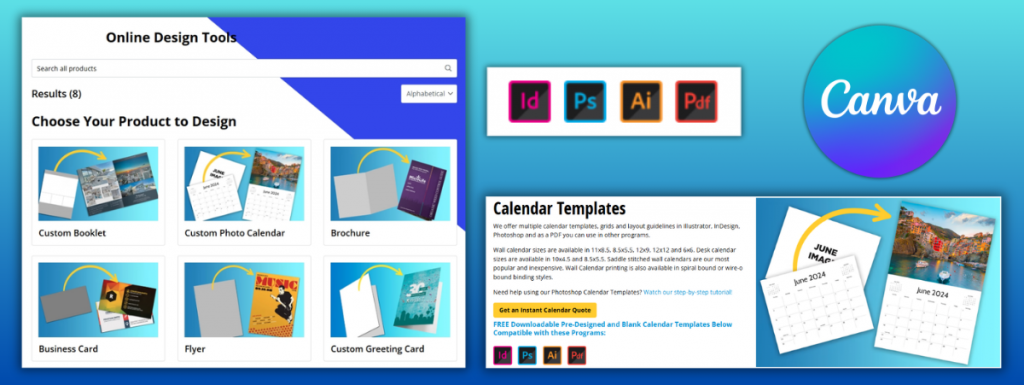
They serve a wide range of customers: self-publishing authors, traditional publishers, businesses creating branded books or manuals, nonprofits, schools, and more.
The two main categories are:
- Commercial book printers that handle bulk orders for publishers
- Print-on-demand (POD) services that print single copies as orders come in, with no minimum quantity
In short, book printing services turn a digital file into a physical, finished book.
Trim Sizes and Paper Stocks
Trim size influences layout, print yield, and reader expectations. Standard sizes include 5.5 x 8.5, 6 x 9, and 8.5 x 11.
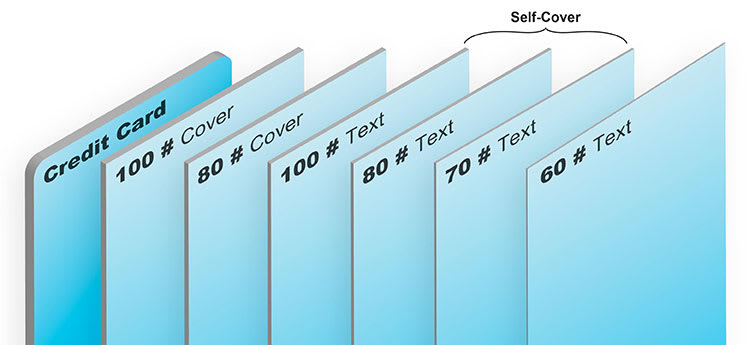
Paper options vary by weight and finish:
- text weight 50-80 lb uncoated – economical, reads like a novel
- coated 70-80 lb – better for images and color
- heavier 100+ lb – premium feel for coffee-table or art books
PrintingCenterUSA lists paper choices and sample swatches to match project needs
Order a free sample packet and explore PrintingCenterUSA’s printing options!
Finishes and Special Features
Finishing options add visual impact but increase cost.
Popular choices:
- matte or gloss aqueous coating – protects covers affordably
- UV coating or spot UV – high gloss on specific areas
- foil stamping and embossing – premium branding on hardcovers
- sewn binding – durability for heavy books
Decide which finishes enhance value versus those that just add expense.
Pricing, Quotes, and Turnaround Times
Price is more than per-unit cost. Evaluate setup fees, proof charges, shipping, and rush fees. Turnaround matters when timing ties to marketing or events.
Factors That Influence Book Printing Prices
Key price drivers:
- print run – economies of scale favor larger offset runs
- page count – more pages raise paper and binding costs
- color vs black-and-white – full color multiplies cost
- paper weight and coating – heavier or coated stock costs more
- finishing – foils, embossing, and special bindings add flat or per-unit costs
- turnaround – rush jobs can double production expenses
Ask vendors for a full cost breakdown to avoid surprises
How to compare quotes effectively
Compare quotes on apples-to-apples terms:
- unit price at the same quantity and specifications
- setup or plate fees for offset jobs
- proofing fees and whether a physical proof is included
- shipping, tax, and handling
- cancellation and reprint terms
Use a short table to compare side-by-side. - Example:
| item | digital (short-run) | offset (long-run) |
|—|—:|—:|
| best run size | 1-1,000 copies | 2,000+ copies |
| typical unit cost | $3 – $12 | $1 – $6 |
| setup fees | low | moderate to high |
| turnaround | 3-10 business days | 7-21 business days |
PrintingCenterUSA provides an online quote tool that returns itemized pricing for both digital and
offset where applicable.

Understanding Turnaround Times
Turnaround includes file review, proofing, printing, finishing, and shipping.
Standard windows:
- digital short-run: 3-7 business days
- offset small runs: 7-14 business days
- complex finishes or large runs: 2-6 weeks
Account for shipping and customs if international distribution is required. Order early when
launching a book around an event.
Design Preparation and File Guidelines
Good file prep prevents delays and unexpected costs. Follow industry standards and vendor-specific templates.
Essential file specifications
Submit print-ready PDFs meeting these specs:
- PDF/X-1a or PDF/X-4 preferred
- 300 DPI images at final size
- CMYK color mode for all images and graphics
- 0.125 in bleed beyond trim
- 0.25 in safe margins inside trim
- fonts embedded or outlined
- single pages in reading order for most printers
PrintingCenterUSA publishes templates and file checklists to simplify compliance.
Formatting Tips for Print-Ready Files
Practical formatting tips:
- export a single PDF, not layers or non-print elements
- flatten transparencies or use PDF/X-4 if supported
- avoid RGB spot colors; convert to CMYK and proof
- use consistent paragraph styles and page numbering
- create a cover PDF as a spread if allowed; check spine width with page count and paper weight
Run a preflight check in Acrobat or design software before upload to save time.
Proofing, Color Management, and Quality Assurance
Rigorous proofing avoids expensive reprints.
The Proofing Process Explained
Two main proof types:
- digital proof – PDF proof for layout and copy checks
- hard-copy proof – physical proof for color, trim, and binding verification
Request a hard-copy proof on color-critical projects or when matching brand colors.
PrintingCenterUSA supports both PDF proofs and ship-able proofs for final approval.
Managing color accuracy
Color shifts happen when moving from screen to press.
Best practices:
- work in CMYK and set color profiles consistently
- use Pantone spot colors only if vendor can match them
- request a press or contract proof for accurate matching
- provide color swatches or physical samples for brand-critical colors
Document color expectations in your order to minimize disputes
Ensuring quality assurance
QA steps to require from vendors:
- preflight file checks and notifications for errors
- inspection of print runs for color and registration
- sample sign-off before full run
- clear reprint or refund policies for defects
PrintingCenterUSA’s customer service reviews files and offers support to correct issues prior to
production.
Production options and technology
Understand tradeoffs between technologies to pick the right mix of cost and quality.
“First time working with Printing Center USA was a smooth process. The team was able to help with all of my questions. The books turned out great!” Chris R, Booklet Customer

Digital vs. Offset Printing
Digital printing excels for quick turns, variable data, and short runs. Offset delivers lower per-unit cost and wider color gamut for large runs.
Summary:
- digital – fast setup, no plates, consistent for runs under a few thousand
- offset – plate-based, setup cost but lower marginal cost for large runs
Use digital for proofs and small batches, offset for larger print orders.
Short-run vs. long-run printing
Short-run printing reduces inventory risk and supports print-on-demand models. Long-run printing reduces unit cost but increases storage risk. Calculate break-even quantity using quotes from vendors like PrintingCenterUSA to choose the optimal run.
Exploring finishing options
Plan finishing early in the design phase. Consider how coatings, trimming tolerances, and binding types affect layout, spine text, and color. Coordinate with the print rep about die lines for jackets and foil registration.
Evaluating Vendor Reliability
Vendor reliability protects your schedule and reputation.
Importance of online ordering and support
A clear online ordering system reduces errors.
Look for:
- online quote calculators
- file upload with preflight feedback
- order tracking and proofing portals
- phone and chat support
PrintingCenterUSA offers an intuitive online ordering flow, templates, and live support to streamline
production
Assessing guarantees and reliability
Verify:
- turnaround time guarantees and penalties
- sample reviews and portfolio of past work
- customer reviews and case studies
- warranty for printing defects
Request references or sample jobs similar to yours when placing large orders.
“We have used Printingcenterusa for the last 4 years to print our yearbooks. They are fast, easy to work with, and have great customer service. Their prices are fair and the books always look great.” Don B, Book Customer
Getting started with PrintingCenterUSA
PrintingCenterUSA positions itself as an affordable nationwide partner with fast turnarounds and a streamlined web ordering process. Here is how to begin.
Online quote process
- choose product (paperback, hardcover, booklet)
- select trim size, paper, color options, and binding
- enter quantity and turnaround
- get an itemized quote showing unit price, setup, and shipping
The tool provides instant estimates so you can test quantities and finishes to see ROI.
Step-by-step order flow
- upload print-ready PDF files using vendor templates
- select proof type – PDF or hard-copy proof
- approve proof or request changes
- production begins after approval
- track production and shipping via online portal
This flow keeps approvals documented and reduces surprises.
What to expect from PrintingCenterUSA
Expect clear file guidelines, responsive support, and reliable fulfillment. For first-time users, request a single-copy proof to verify color and trim. PrintingCenterUSA offers nationwide shipping and options tailored for self-publishers, small presses, and businesses.
“I called with a question on setting up the spine of my perfect bound book and the service I received was quick, knowledgeable and human! The quality of the finished product was excellent. I’ve been sending jobs to Printing Center for more than 20 years and their value, service and quality remains consistent!” Marla G, Perfect Bound Book Customer
Frequently Asked Questions
How do I choose between digital and offset printing?
Choose digital for runs under a few thousand, quick turnarounds, or variable data. Choose offset for larger runs to lower per-unit cost and to use broader paper and color options.
What file format should I submit?
Submit a print-ready PDF using PDF/X standards, 300 DPI images, CMYK color, 0.125 in bleed, embedded fonts, and correct page order.
Can I get a physical proof before the full run?
Yes. Request a hard-copy proof to check color, trim, and binding. PrintingCenterUSA offers proof options so you can approve before production or even short run prints with as little minimums as 1!
How do turnaround times affect price?
Faster turnaround typically increases cost due to rush fees and schedule priority. Plan schedules around realistic production windows to control price.
Where can I get an instant quote?
Get an itemized, real-time quote at printingcenterusa.com to compare quantities, paper stocks, binding, and finish options
Get Your Book Printing Services
Selecting a book printer affects your cost structure, time to market, and reader experience. Balance run size, quality expectations, and turnaround to choose digital or offset. Use a checklist: confirm specs, request proofs, compare full quotes, and verify guarantees.
Start by getting an online quote at PrintingCenterUSA and upload a sample file for a test proof to validate expectations.
PrintingCenterUSA makes it easy to produce a brand buyer booklet that matches the quality of your products:
- Free Online Design Tool
- Free Adobe Templates
- Free File Review
- Find a Designer
- Free Sample Pack
- Canva Editable Templates
Start your project early, invest in print quality that reflects your brand, and put something in buyers’ hands that they will still be thinking about long after the meeting ends.