





Top 10 Tips for Creating Your Own Family Memoir Book
All families have stories that need to be remembered and celebrated. Stories about childhood adventures, historic moments they witnessed, personal struggles and accomplishments, and unforgettable memories are part of what shapes a family’s identity.
Unfortunately, many of those stories start to vanish over time. Conversations fade, recordings are lost, and memories are forgotten.
Creating a family memoir book is one of the most beautiful ways to preserve those memories. A printed memoir transforms personal stories into something that can be shared across generations.
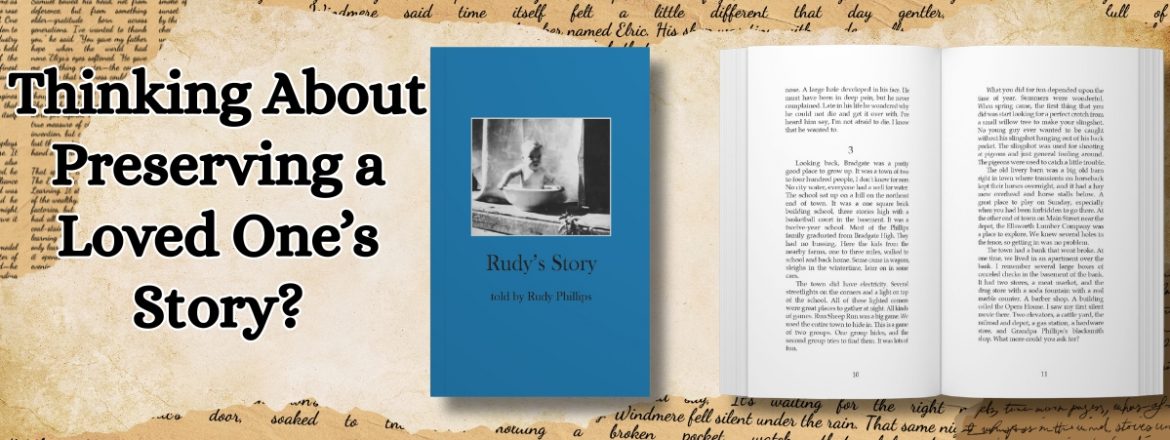
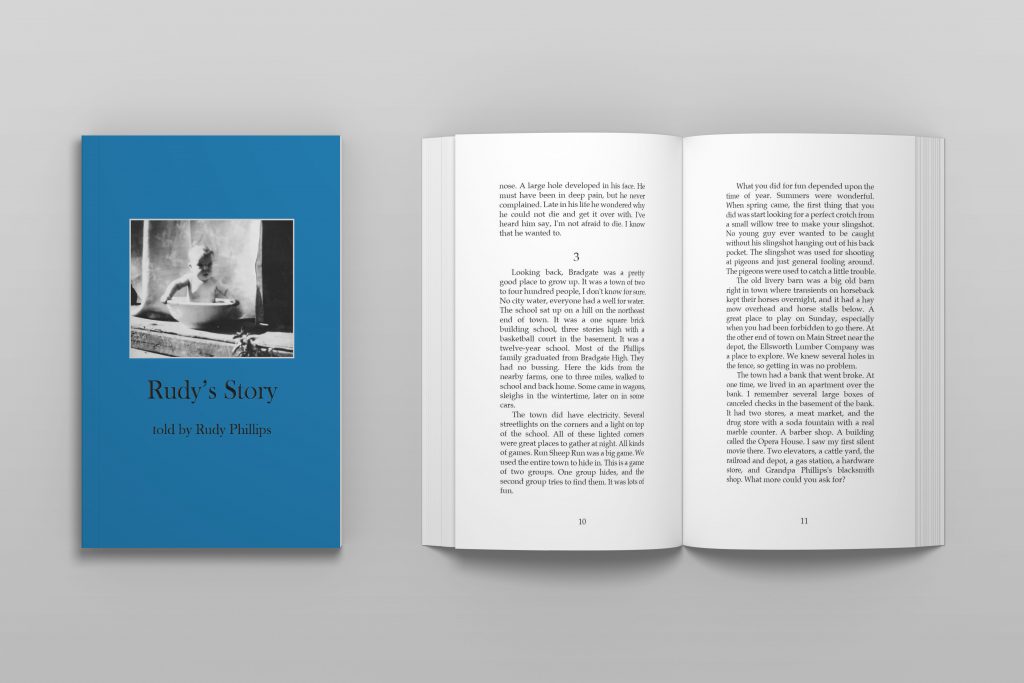
Molly McCann’s project, Rudy’s Story, is a beautiful example of how a family can preserve a lifetime of memories and stories. What started as a series of cassette recordings from the 1980s eventually transformed into a 200 page printed book filled with pictures, stories, and even QR codes linking to the original audio recordings.
If you’re considering preserving your families stories, these tips will help guide you through creating a family memoir book. Start yours today!
Top 10 Tips for Creating Your Own Family Memoir Book
Creating a family memoir book seem daunting, but it’s way easier than you think. By capturing real stories, pictures, and even audio recordings, you can preserve your family’s history in a format that will be treasured for generations. Whether you are just starting to gather memories or already have recordings like Rudy’s Story, these tips will guide you step by step so you can turn your family’s stories into a beautifully printed book that tells your family’s tails for years to come.
1. Start With Real Conversations and Memories:
The best memoirs begin with genuine stories. Give your parents, grandparents, or relatives a call and ask them to tell you about their life.
Start with questions about when they were kids, their adventures, their employment, and family traditions. These often lead to fascinating stories worth documenting.
2. Record Stories Before They Are Lost:
One of the easiest ways to start preserving family stories is by recording conversations. Smartphones, voice recorders, or even video recordings can capture details that might otherwise disappear.
Many families begin their projects this way before turning recordings into written stories.
3. Turn Recordings Into a Book:
Audio recordings are a perfect start to a memoir book. After you transcribe them, you can turn them into written chapters
This method helped Molly turn the recordings into a book by preserving Rudy’s voice and memories in a book that can be passed down to future generations.
4. Add Photos That Bring Stories to Life:
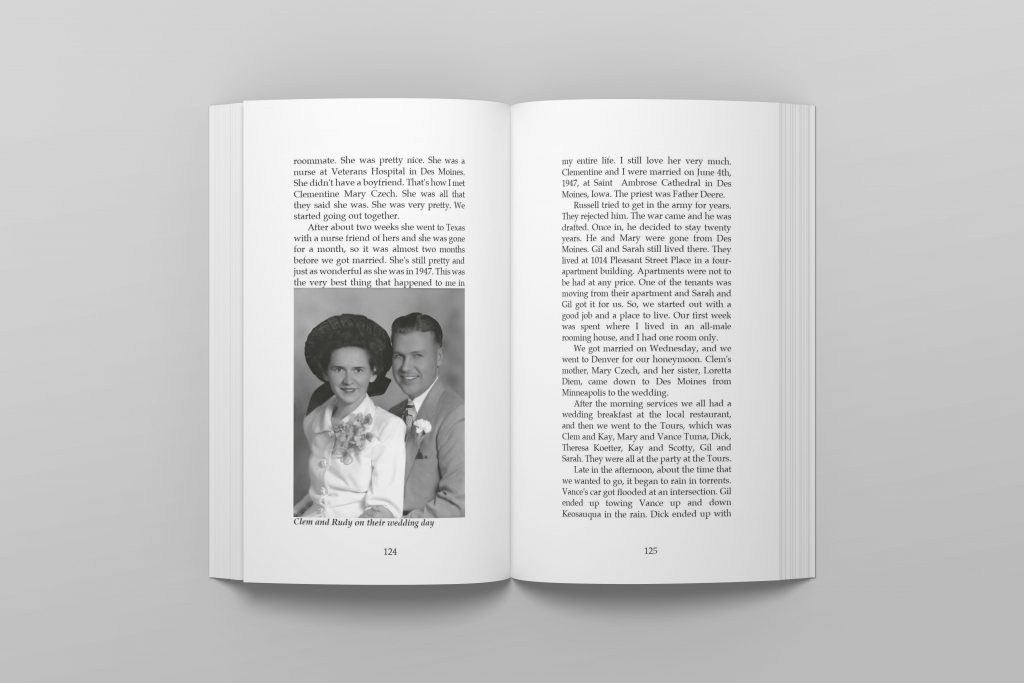
Family photos make memoir books more personal and engaging. Pictures from your relative’s childhood, their adventures, weddings, and just plain everyday moments can help readers visualize the story.
Pictures can also create connections for younger generations who may never have met the people featured in the book.
5. Organize Stories Into Chapters:
When learning how to create a family history book, organization is key.
Consider structuring your memoir around major life stages such as:
- Childhood and early family life
- Adventures and travels
- Career experiences
- Family traditions and milestones
- Personal reflections and lessons
6. Include Multimedia Elements Like QR Codes:
Printed books can now connect to digital content. Adding QR codes allows readers to listen to recordings, watch videos, or view photo archives.
This approach makes memoir books more interactive while still preserving the physical printed version.
7. Choose a Comfortable Book Size:
A lot of memoirs are printed in classic book sizes like 5.5″ x 8.5″. This size has a familiar feel and is perfect for longer narratives.
Standard book sizes are also much more cost effective.
8. Keep the Design Simple and Readable:
You don’t need a complicated design for a memoir. Try using clear chapter headings, cleaner fonts, and be sure to balance the spacing to create an easy reading experience
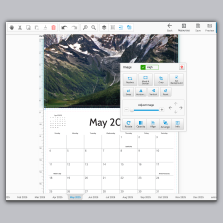
Try designing your book using the Free Online Design Tool, or start with Free Adobe Templates.
9. Print Copies for Family Members:
When you print a personal memoir, even a small quantity can have a huge impact. Sharing printed copies with family members helps preserve the story across multiple households.
Many families start with a small run and later print more copies as interest grows.
10: Create a Lasting Family Legacy:
A family legacy book can turn into one of the most treasured possessions in a household. A true heirloom that spans generation to generation.
Printed memoirs preserve voices, stories, and historical experiences from a first person perspective that might be forgotten.
One day, your project might become the only record of a life lived during a remarkable period in history.
Real Customer Example
Rudy’s Story is a powerful example of how preserving family stories can turn into a meaningful printed memoir.
Molly McCann transformed her grandfather’s stories into a perfectly printed family memoir book that now brings together multiple generations.
Rudy was born in rural Iowa in 1920. He lived through an extraordinary period of America’s history. During his lifetime he witnessed electricity become widespread, watched airplanes go from rare novelties into everyday methods of travel, and lived through major historical events including the Great Depression, Prohibition, the Second World War and the polio era.
The Inspiration
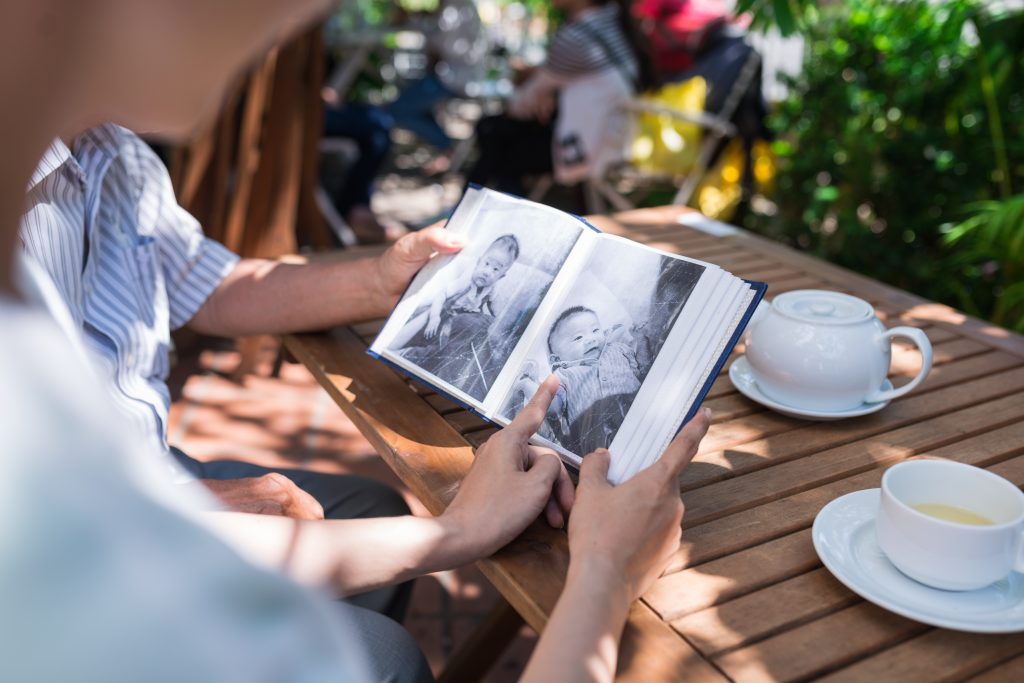
The project began in 1984 when Rudy’s younger sister Suzanna encouraged him to write down his life story.
After finishing the manuscript, she recorded Rudy reading the entire story aloud. The recording sessions took up four whole cassette tapes, adding up to a whopping five hours of stories and memories.
Copies of these cassettes were distributed with family members, including Molly when she was a teen in the 90s.
The Challenge
Although the cassette recordings preserved Rudy’s voice, they were difficult to share with younger generations.
Over time, cassette players started to become obsolete, and the recordings were at risk of fading from memory.
The Molly’s family needed a better method to keep Rudy’s memories alive.
The Solution
In 2010, Molly’s brother, a sound engineer, overhauled the recordings and turned them into a digital format.
A few years later, Molly’s mother turned the recordings into written form. The 2 two of them then spent an entire year editing and shaping the stories into a cohesive narrative.
After that, Molly then formatted the project into a printed book and added some family pictures throughout the pages.
She also included QR codes that link directly to Rudy’s recordings. That way readers can listen to his voice while reading the book.
The Impact
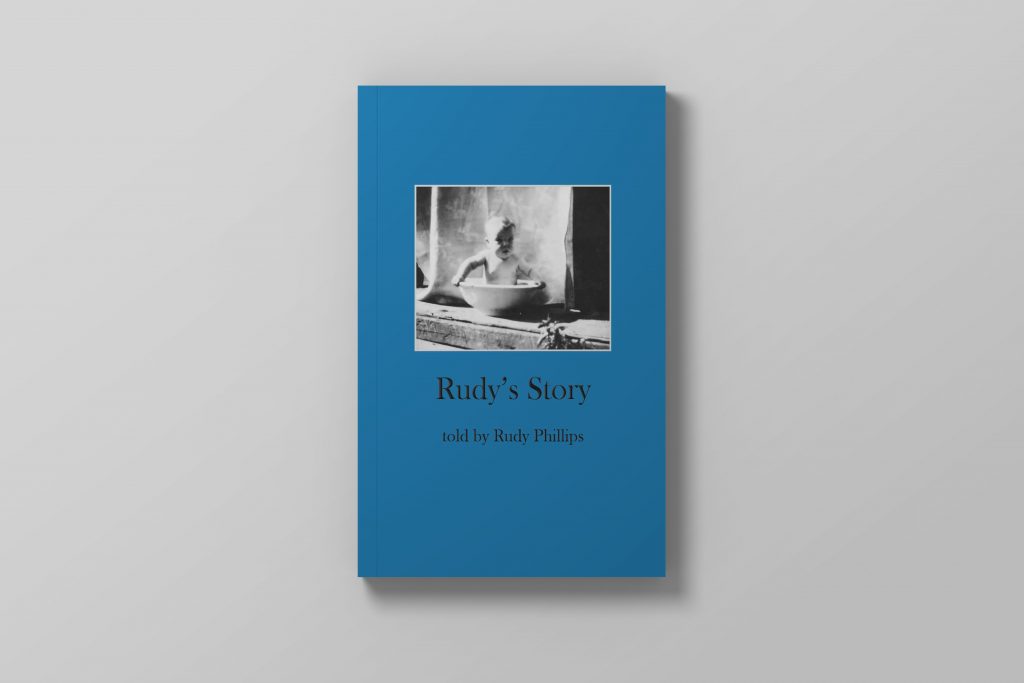
The finished book became a 200 page memoir printed in a classic paperback format.
Molly’s mother ordered 20 copies that are now being mailed to Rudy’s children, grandchildren, great grandchildren, nieces, and nephews.
Rudy was one of nine siblings. That’s a huge extended family. That means they may need to print additional copies as more relatives discover the book.
For Molly, this project drove home the importance of capturing memories before they’re forgotten.
“I recommend everyone go to someone in their life and help them capture their story.”
What Is a Family Memoir Book?
A family memoir book is a personal narrative that tells the stories of life experiences, memories, and reflections of a family member.
Unlike a full autobiography, memoirs usually focus on specific periods of life or major events that made storyteller who they are.
Families often create memoir books to preserve:
- Personal adventures
- Family traditions
- Historical experiences
- Cultural heritage
- Life lessons for future generations
These books transform into powerful historical records that help younger generations understand where their family came from.
Popular Memoir Book Print Specs
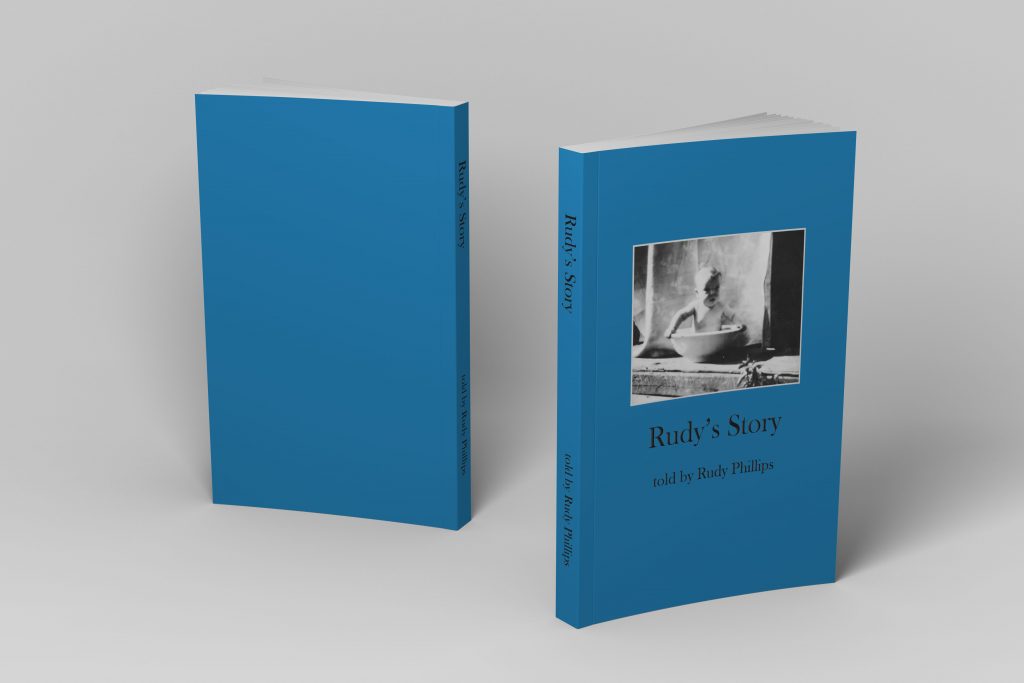
Many memoir books use classic paperback specifications that are comfortable to read and easy to distribute.
Specs:
Quantity 20
Size 5.5 x 8.5 (5.5 x 8.5 Inch)
Binding Perfect Bind
Pages 200
Cover Ink (4/0) Full Color Front / Empty Back
Inside Ink (1/1) Black Front / Black Back
Cover Paper 100# Cardstock Gloss (9 pt.)
Inside Paper 70# Paper Uncoated (5 pt.)
Cover Finish (UV) High Gloss
Other Popular Options
Hardcover legacy books
Photo heavy memory books
Large format genealogy books
Short memoir collections
These options help match the family memoir book style. Not sure which specs are right to match your project? Order a free sample pack from PrintingCenterUSA today and explore the options!
Timeline for Creating Your Family Memoir Book
Before Production
Record interviews with relatives
Transcribe audio recordings
Collect photographs and documents
Organize chapters
During Production
Format the manuscript
Design page layouts
Insert photos and captions
Use the Free File Review to confirm print readiness
After Distribution
Share copies with family members
Archive digital files safely
Print additional copies if needed
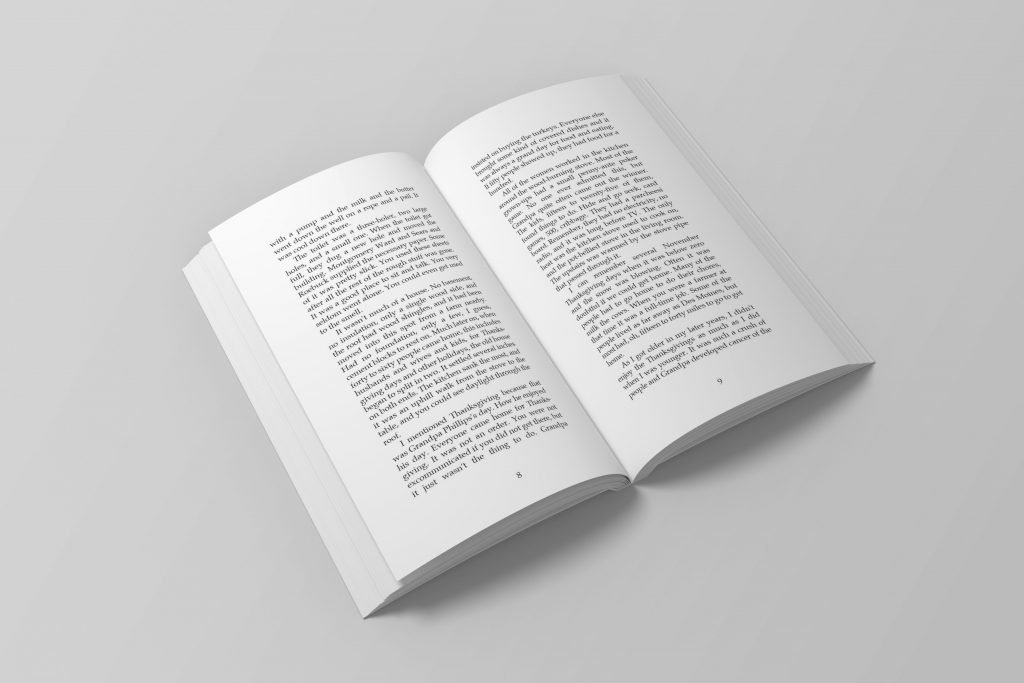
Design Tips for a Better Family Memoir Book
Thoughtful design helps readers stay engaged with the story.
Helpful tips include:
- Add personal photos or illustrations
- Highlight interactive elements clearly
- Use readable fonts that are comfortable for long reading sessions
- Add captions under pictures so readers can better understand the context.
- Keep margins and spacing generous so pages feel balanced.
These simple techniques make the program easier and more enjoyable to read. Use our Free File Review to ensure your prints will turn out perfect every time! Would you rather enjoy the programs without the hassle of design? Explore our partnered designers and find the perfect designer for your project today!
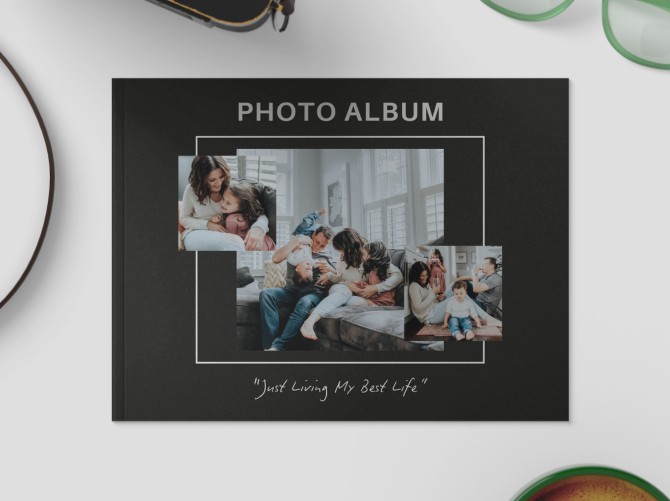
A lot of people create their family memoir book in Canva because it is one of the easiest tools for organizing photos, stories, and personal memories into a beautiful layout. To make the process even easier, you can start with a ready to use memoir book template and customize it in minutes. Just add your family pictures, toss in your stories or transcripts, and arrange the pages until your book tells the story you want to preserve. Start with a template here: CANVA TEMPLATE LINK.
When your design is done, it is crucial to download the file correctly so it prints clearly and professionally. Be sure to export your file using the correct print settings, including the proper file type and resolution. Follow our step by step guide here to learn how to export your Canva design for professional book printing.
Related Print Products
Readers who create memoir books often expand their projects into other printed keepsakes.
These may include:
Family photo books
Genealogy books
Travel journals
Legacy journals for grandparents
Family recipe books
Each of these projects helps preserve family history in a different way.

Planning Your Family Memoir Book?
Planning a memoir book can seem like a formidable task at first, but our blog can walk you through it step by step. Discover how to collect the stories, organize the chapters, and prepare the files for printing. Be sure to check out this blog on how to design a booklet.
FAQ Section
How do you create a family memoir book?
You begin with contacting your relatives and recording your conversation. Then turn those stories into text and arrange them into chapters. After that add photos or historical details. Once the manuscript is complete, it can be designed and printed as a book.
What is the difference between a memoir and a family history book?
A memoir typically focuses on one person’s experiences and personal perspective. A family history book often documents generation after generation and includes genealogy information.
Can you include audio recordings in a printed book?
Yes. A ton of memoir books have QR codes, linking to online audio recordings or videos. This allows readers to hear or watch the storyteller while they’re reading the memoir. Try out this QR code generator.
How many copies should you print of a memoir book?
Lots of people begin with 10 to 50 copies, depending on their number of relatives. More copies can be printed if more people want one, you can even order a personal book of one.
Create Your Own Family Memoir Book
If you have a story worth preserving, creating a family memoir book is one of the most meaningful projects you can undertake.
Whether you are documenting a grandparent’s life, recording family adventures, or preserving cultural history, a printed memoir turns memories into a lasting legacy.
Your family’s story deserves to be preserved. Start creating your own family memoir book today at PrintingCenterUSA.