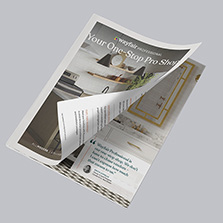
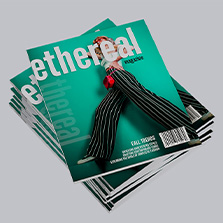
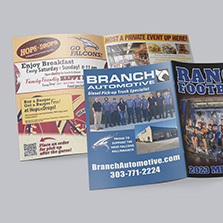
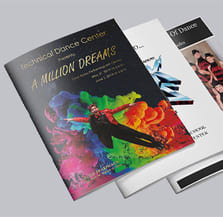












Saddle Stitch Binding
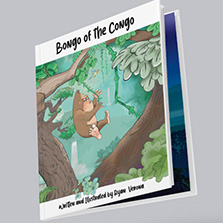
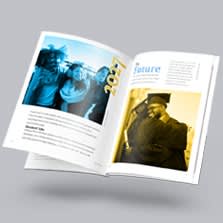
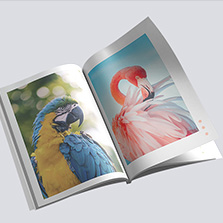
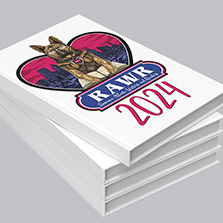
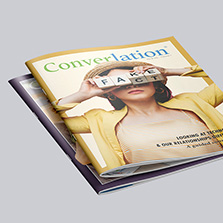
Did you know saddle stitch binding is one of the most common binding types for printing? You have probably already made or held one before; maybe a sports program, church bulletin, or even a booklet. Let’s cover everything saddle stitch related including how it works, how many pages you can use, and whether it’s the right choice for your next project.
Saddle stitch booklets are fast to produce, affordable, and produces a clean, professional result for a wide range of projects.
What Is Saddle Stitch Binding?
Saddle stitch binding is a method where single sheets of paper are printed on both sides, collated in page order, folded in half, and then stapled through the fold. The name comes from the production process itself, where the folded pages are draped over a saddle-like apparatus while the staples are driven through the spine.
The result is a clean, lightweight booklet with a folded spine and two or more staples holding everything together. It’s the binding you’ll recognize from most magazines, brochures, event programs, and booklets you encounter in everyday life.
Saddle stitch is our most popular binding type at PrintingCenterUSA, and it offers the fastest turnaround time and most affordable pricing of any binding method we offer.
How Does Saddle Stitch Binding Work?
Your design is printed on large sheets and stacked; each sheet is folded in half creating 4 pages from a single piece of paper. Next the folded sheets are put in the correct order and nested together to be staped on the spine. After stapling the final booklet pages are trimmed to size for a clean finish. No glue or extra equipment which keeps the process simple for us and affordable for you! Explore the full Saddle Stitch Binding Process.
How sheets become pages
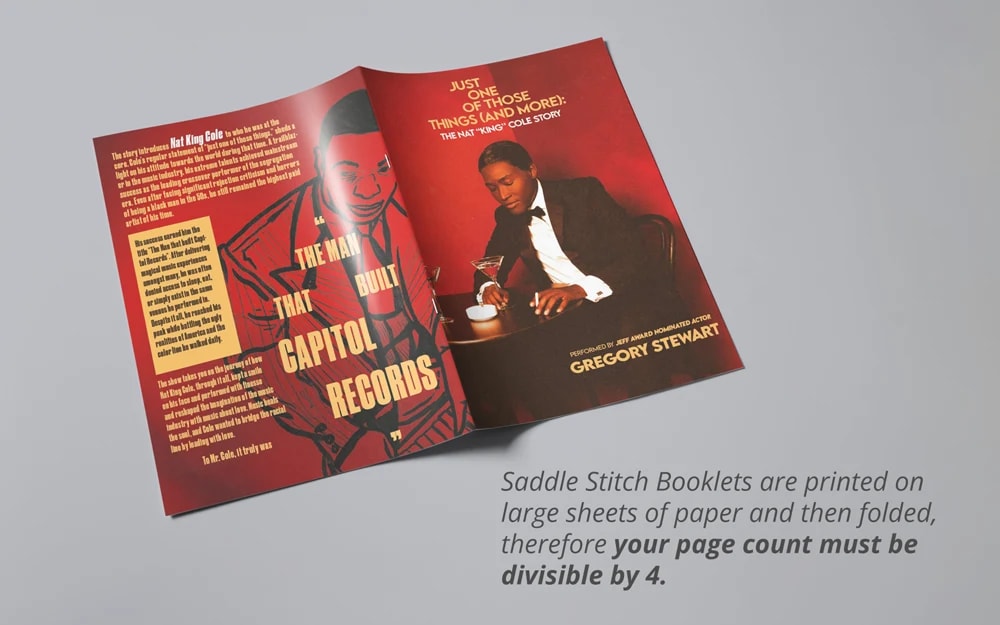
Think of when you were young and possibly made a book yourself by folding one piece of paper in half to create four pages of a book. An 8 page book is created from two folded sheets of paper. A 16-page booklet is made from four folded sheets. It always works out to one sheet per every four pages which means your saddle stitch booklet’s page count must be divisible by four.
Fun Fact: If you’re printing an 8.5″ x 11″ saddle stitch booklet, each sheet is actually a 17″ x 11″ sheet folded down to 8.5″ x 11″.
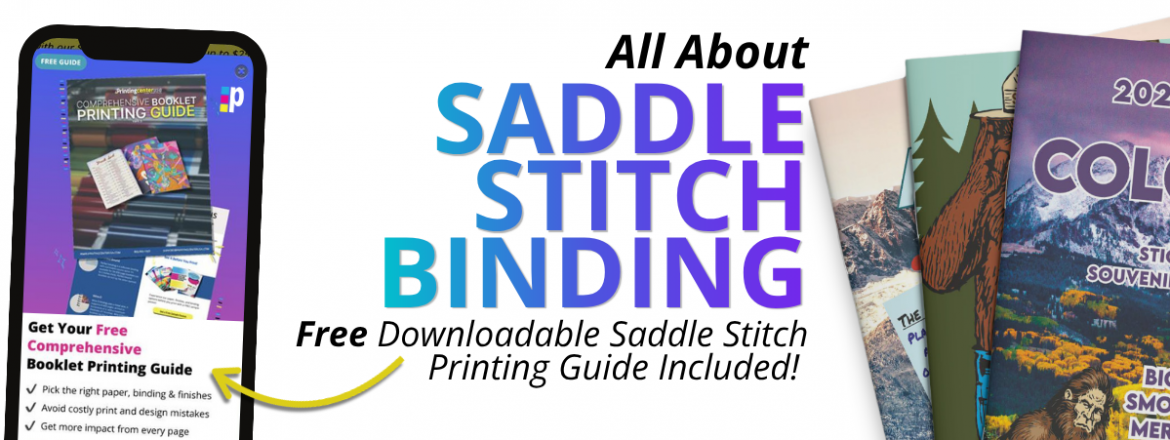
Get our Free Downloadable Saddle Stitch Printing Guide here!
How Many Pages Can You Saddle Stitch?
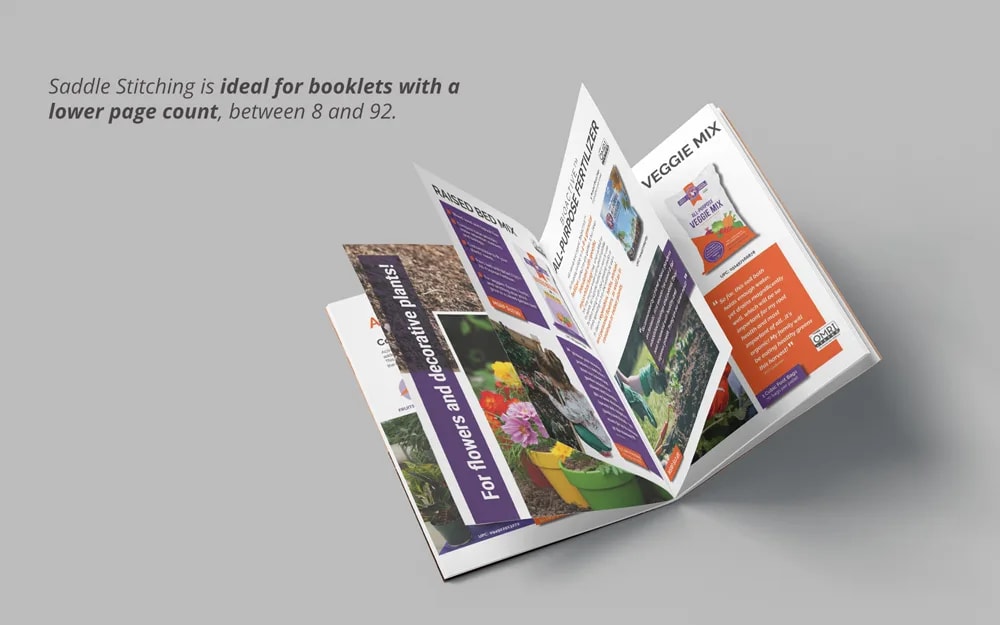
The page count range for saddle stitch binding is 8 pages minimum and 92 pages maximum.
For page counts over 92 pages, we recommend switching to perfect binding, which uses a glued square spine and can handle much higher page counts up to 800.
A few important rules to know:
- Minimum page count is 8. You need at least two folded sheets to form a booklet.
- Maximum page count is 92. Beyond this, the booklet becomes too bulky for the staples to hold cleanly and the pages won’t lie as flat.
- Page count must be a multiple of 4. Because each sheet produces four pages, your total page count must be divisible by four. That means 8, 12, 16, 20, 24, and so on. You can’t have a 10-page or 14-page saddle stitch booklet without ending up with blank pages.
- Always include covers in your count. Your front cover is page 1. Your back cover is the last page. Both count toward your total.
Booklet vs. book threshold
Generally speaking, any saddle stitch publication with 92 pages or fewer is considered a booklet. Anything 92 pages or more is typically referred to as a book. If your project exceeds 92 pages, perfect binding is your next best option, with a range of 28 pages up to 2 inches thick.
What page count is best for saddle stitch binding?
For most projects, the sweet spot is between 8 and 48 pages. This range keeps the booklet slim, flat, and easy to handle. Page counts above 48 are totally workable, but you’ll want to keep paper weight in mind since thicker paper adds bulk faster. Without these things in mind your saddle stitch book may not lay flat when closed and bounce open like a spring. One tip for fixing this is weighing the booklet down with a paper weight for at least 4 hours to relax the paper threads.
What Is Page Creep and Should You Worry About It?
Page creep is when the inside pages of a saddle stitched booklet extends slightly beyond the outer pages after trimming. With higher page counts this becomes more noticable.
For best results with page creep, keep your booklet under or around 40 pages. For higher page counts, keep vital info like page numbers and inportant text away from the boarders and outer edges of the interior pages.
Not sure if your file is set up correctly? Our Free File Review runs a 43-point automated inspection that helps catch issues like this before anything goes to press.
Benefits of Saddle Stitch Binding
- Most affordable binding option. Saddle stitch keeps costs low, especially for shorter print runs because there are no extra costs with glue or production.
- Fastest turnaround time. The production process is highly automated and requires fewer steps than other bindings, which means quicker delivery.
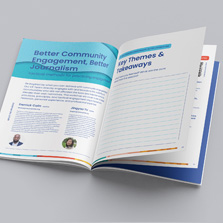
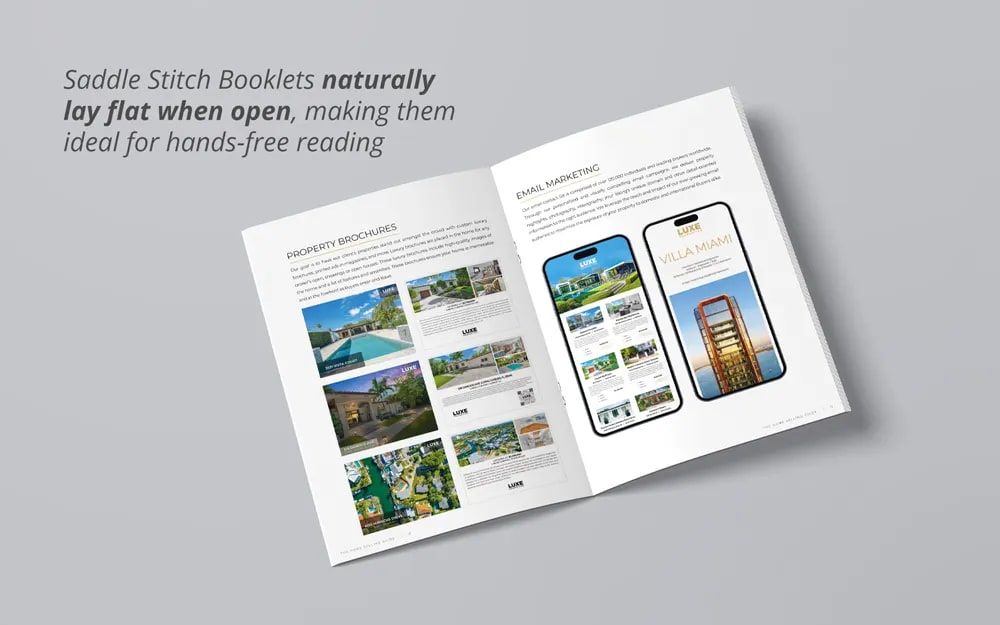
- Lies flat when open. Saddle stitched booklets open easily and stay flat, making them great for reference materials, instruction guides, children’s books, coloring books, and anything readers need to spread open on a desk or table.
- Lightweight and easy to distribute. No extra weight means lower shipping costs and easier handling for direct mail campaigns or event distribution.
- Professional finish. The stapled spine, clean trim, and folded pages produce a polished result that works for everything from corporate brochures to photography packages.
Common Uses for Saddle Stitch Binding
Saddle stitch is one of the most versatile binding methods available. It works for a wide range of projects across industries.
- Booklets and brochures
- Event programs and playbills
- Church bulletins
- Newsletters
- Photography packages and proof booklets
- Youth sports programs
- Real estate listing booklets
- School and university viewbooks
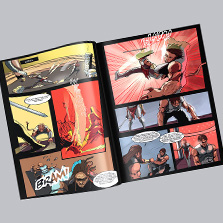
- Comic books and zines
- Direct mail pieces
- Instruction and assembly guides
- Recipe booklets
- Product lookbooks
- Wedding and funeral programs
- Nonprofit donor and fundraising booklets
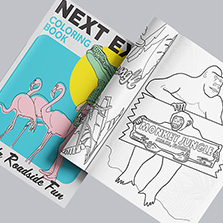
- Coloring books
- Training and onboarding guides
Saddle Stitch vs. Perfect Binding
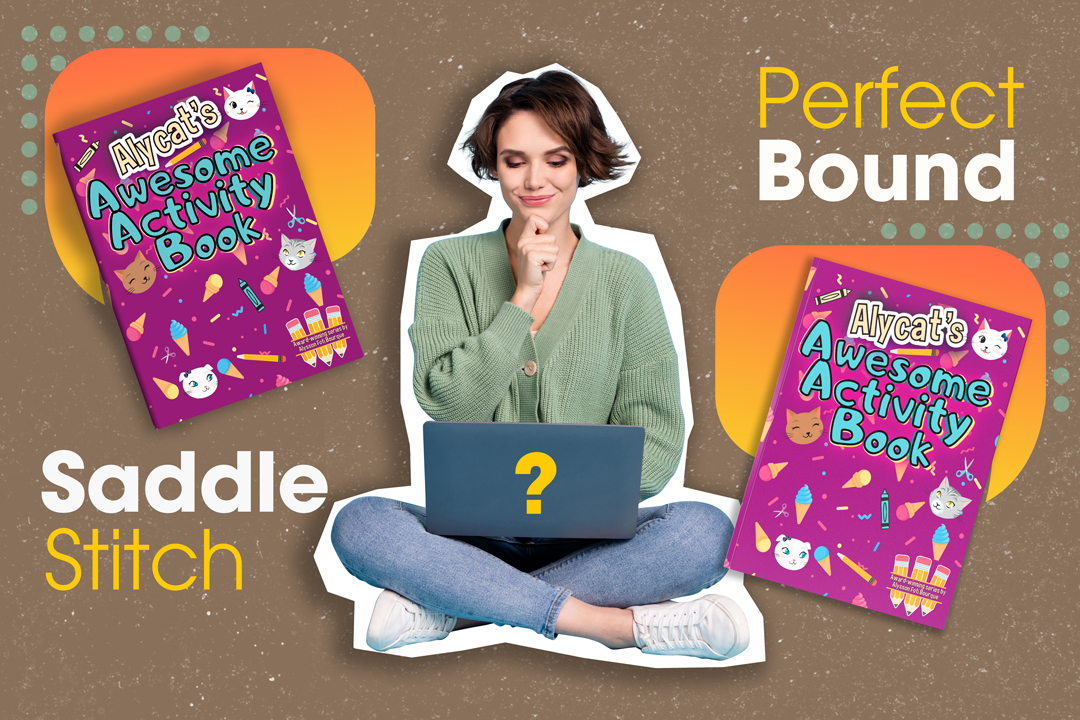
Saddle stitch is stapled, perfect binding is glued. Saddle stitch works best for publications up to 92 pages. Perfect binding is better for anything over 92 pages, projects that need a printable spine, or books intended for retail shelf display.
Both produce a professional result. The right choice comes down to your page count, your budget, and what you want your finished product to look and feel like.
For a full breakdown of both options, read our guide to Perfect Bound vs. Saddle Stitch: Which Binding Is Right for Your Book?
Explore why Luxe Properties can’t get enough of their saddle stitch booklets!
FAQ Section Saddle Stitch Booklet
What is saddle stitch binding? Saddle stitch binding is a method where folded sheets of paper are collated and stapled through the spine. It’s one of the most common and affordable binding methods used for booklets, brochures, magazines, and programs.
How many pages can be saddle stitched? PrintingCenterUSA supports saddle stitch binding for publications between 8 and 92 pages.
What page count is best for saddle stitch binding? For most projects, 8 to 48 pages is the sweet spot. The booklet stays slim, lies flat, and is easy to handle. Higher page counts up to 92 are supported but add more bulk.
Does saddle stitch page count have to be a multiple of 4? Yes. Because each sheet of paper produces four pages when folded, your total page count must be divisible by four. Common counts are 8, 12, 16, 20, 24, 32, 48, and so on.
What is the maximum page count for saddle stitch binding? The maximum page count for saddle stitch binding at PrintingCenterUSA is 92 pages. For publications over 92 pages, perfect binding is the recommended option.
What is the difference between saddle stitch and perfect binding? Saddle stitch uses staples and works for publications up to 92 pages. Perfect binding uses adhesive to create a flat, square spine and works for publications from 28 pages up to 2 inches thick. Perfect binding also allows for spine printing, which saddle stitch does not.
Ready to print your saddle stitch booklet?
Whether you’re printing 25 copies or 25,000, saddle stitch is one of the fastest and most affordable ways to get a professional booklet in hand. Get an instant quote, check your files for free, or order a sample pack to see the quality for yourself!