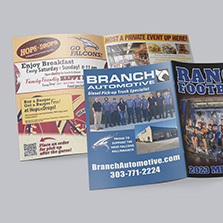
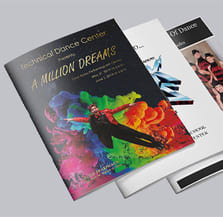
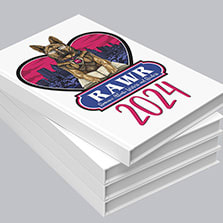

















Spiral Binding
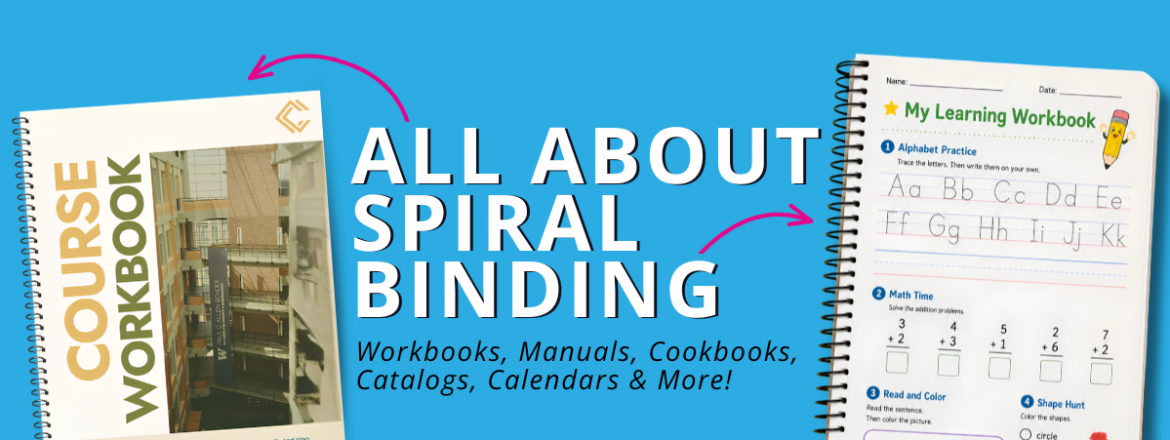
Spiral binding is the best binding for printing cookbooks, training manuals, workbooks, calendars, catalogs and more because they lay flat, open a full 360 degrees, hold up to daily use, and are useful across a wider range of page counts than most other binding types. With good versatility, spiral binding is built to be used regularly rather than just read once and put back on the shelf. Here is everything you should know about spiral bound printing. We will include what it is, how it works, the different types, when to use it, how it compares to other binding options, design and margin requirements, and how to order spiral bound books at PrintingCenterUSA today!
What Is Spiral Binding?
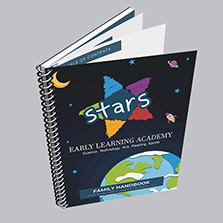
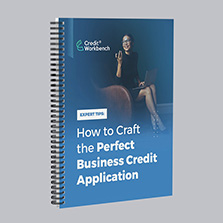
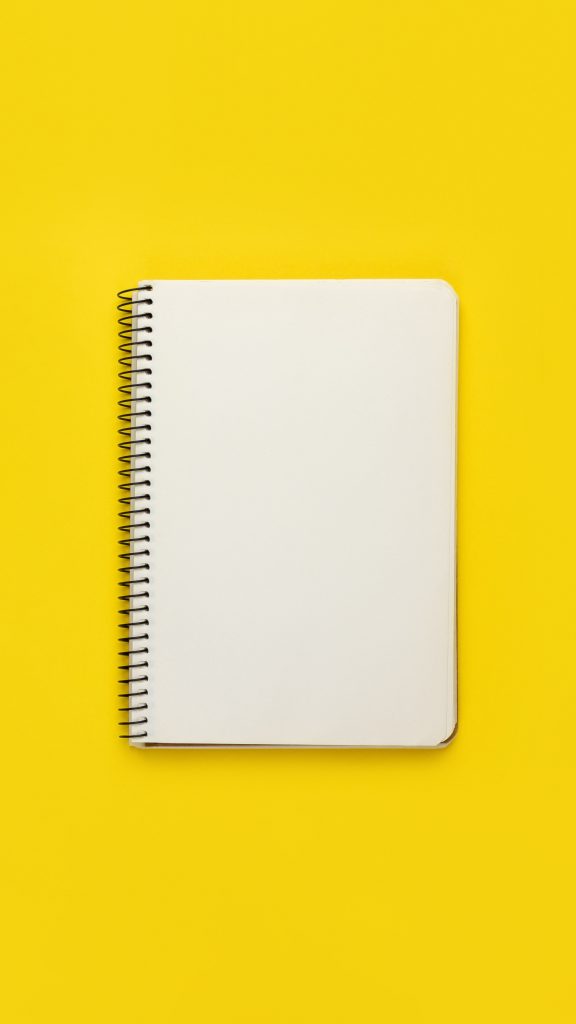
Spiral binding is also called coil binding and it has a plastic coil threaded through a row of punched holes on the binding edge of your book. After your coil is fully threaded through each of the pages, both ends of the coil are crimped to prevent it from unwinding during page flips or general use.
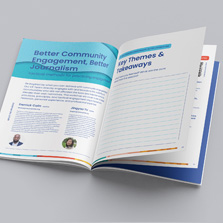
Spiral bound books will open a full 360 degrees and lay completely flat when open, giving you a compact view. There is no spine creating tension so your page turns feel smooth and the same even after your book has been used 100 times.
Wire O sometimes gets confused with spiral binding. Wire o is a double looped metal wire instead of plastic coil. Both are used for the same things but are slightly different and suit different ways of use.
Spiral Binding vs Other Binding Types
Spiral Binding vs Wire-O Binding
Both lay flat, both open 360 degrees, but neither have a printable spine. The difference is entirely in appearance. Since spiral uses a plastic coil for a durable, casual, practical look that is great for everyday use, wire-o uses a metal wire for a more professional look to the final piece. Choose spiral if you are going for high-use functional pieces like cookbooks, workbooks, and field manuals. Choose wire-o if the piece is more formal and needs to make an impression.
Spiral Binding vs Perfect Binding
Perfect binding has a square printable spine and a bookstore-ready appearance. It is the industry standard for paper back books. Some people print novels or employee handbooks that need shelf presence, and that professional look. What it cannot do is lay flat. Perfect bound books flow back closed when you try to lay it out flat which makes them super impractical for any book that needs to stay open hands-free.
Spiral Binding vs Saddle Stitch
Saddle stitch is the most affordable binding option because we use staples to bind it along the side. This creates a spine perfect for 92 pages or less. They are lightweight and cost-effective, but lacks durability like wire o and does not lay flat. Choose saddle stitch when you have short, lower-cost pieces. Choose spiral when your book needs to lay flat, handle heavy use, or accommodate a higher page count.
Advantages of Spiral Binding
Lays completely flat when open. This is the defining advantage of spiral binding and something you want for common uses. The book stays open without needing to be held down.
Opens a full 360 degrees. Pages can rotate completely around the coil, which makes it easy for the book to fold back on itself.
No spine tension. Turning pages in a spiral bound book is effortless.
Flexible page counts. Spiral binding can accommodate a minimum of 8 pages and up to a maximum thickness of up to 2.75 inches. Great for short and longer publishings.
Durable for daily use. The plastic coil holds up to repeated handling, frequent flipping, and the kind of wear that would damage a less robust binding over time. It will be the longest lasting binding.
Long Edge vs Short Edge Binding: Portrait vs Landscape
One of the most common questions about spiral binding is how orientation affects where the coil sits. The answer is straightforward.
For portrait orientation (taller than wide), the binding runs along the long edge of the book. This is the left side and creates the classic look of most manuals, workbooks, and reference guides.
For landscape orientation (wider than tall), the binding runs along the short edge. This is the standard for calendars, cookbooks, and presentations.
When setting up your file, make sure you design for the correct binding edge based on your chosen orientation. The binding margin needs to be on the edge where the coil will be placed.
Spiral Binding Margins: How Much Space Do You Need?
Setting up your margins correctly before you start designing is one of the most important technical steps for a spiral bound book. The binding margin needs to be wider than other bindings to accommodate not only the coil but also the hole punches that the coils is fed through.
Set your binding-side margin to a minimum of 7/8 inches. This is the PrintingCenterUSA recommendation and applies to both portrait and landscape orientations. Content placed closer than 7/8 inches to the binding edge risks being punched through or hidden behind the coil.
For the other three sides (top, bottom, and outer edge), a minimum margin of 0.5 inches is recommended. Important text, logos, and design elements should stay at least 0.125 inches inside the trim line in the safe zone on all sides.
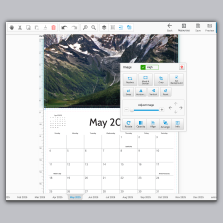
PrintingCenterUSA offers free downloadable Adobe templates for spiral binding in the most popular sizes. The binding margin, bleed, and safe zones are already configured in the template so you can start designing without any guesswork.
Popular Spiral Bound Products
Spiral Cookbooks
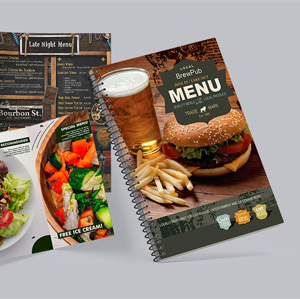
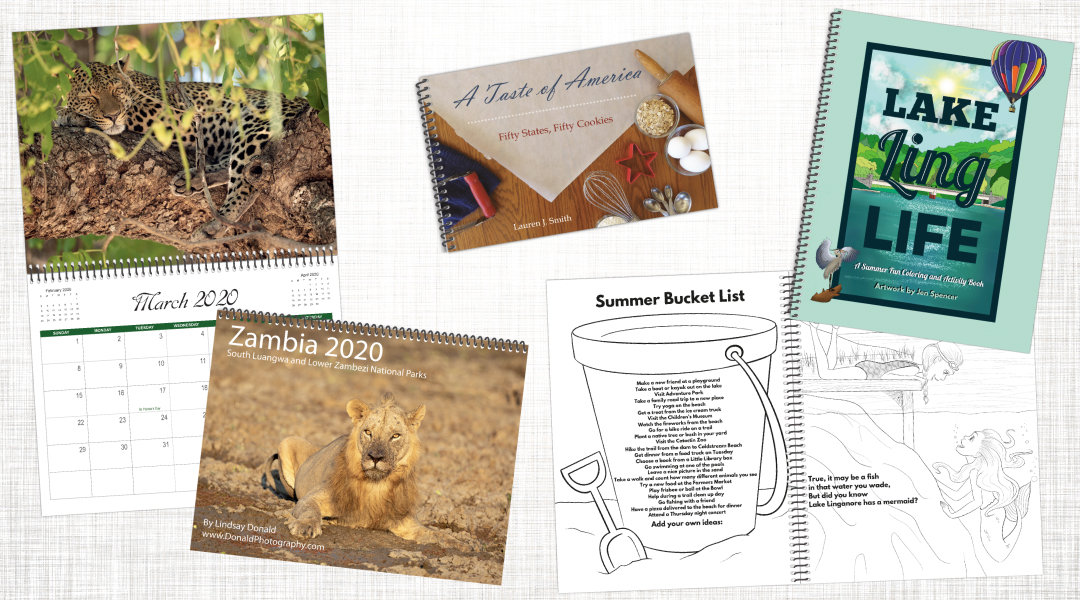
Spiral binding is the best choice for cookbooks. It’s perfect because they lay-flat on the counter while you cook. No more holding the book down with a jar while you stir!
Spiral Training Manuals and Employee Handbooks
Training manuals are also perfect for spiral binding because they are durable for daily use and regular referencing. The book stays open to the right page, takes notes easily on uncoated paper, and holds up to the kind of daily use that would wear out a less durable binding quickly. For workbooks with fillable sections, uncoated interior paper paired with spiral binding is the standard recommendation.
Spiral Workbooks and Coloring Books
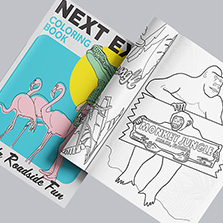
The lay-flat design and single-page viewing capability make spiral binding a natural fit for workbooks and coloring books. Students and users can fold pages back to work on one page at a time, which makes the book more compact and easier to use at a desk or table. For coloring books specifically, folding back the page also creates a thicker, sturdier surface beneath the page being colored.
Spiral Calendars
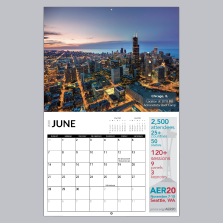
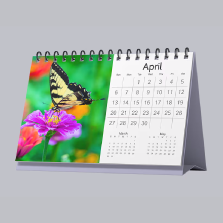
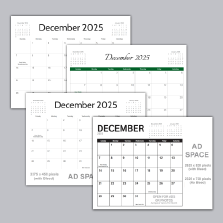
Spiral bound calendars flip easily from month to month and hang flat against the wall without curling or buckling. The coil sits at the top for portrait wall calendars and the design lays clean and flat throughout the year.
Spiral Sales Catalogs
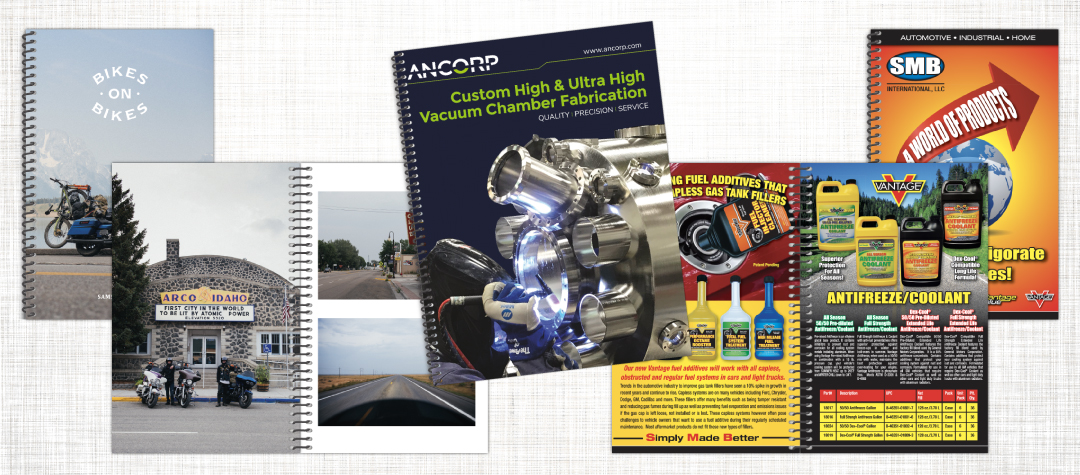
Spiral bound catalogs are easier to manage than perfect bound versions when you are on the go or sitting through a meeting. Pages turn with minimal resistance, and the catalog lays flat on a table during a product presentation without needing to be held open.
Spiral Photo Books
Spiral binding works well for photo books because images do not get buried in the spine the way they can with perfect binding. Every part of each image is fully visible. One important design note: avoid placing images that span across two pages in a spiral bound photo book because the coil and hole punches will interrupt the image at the binding edge.
Spiral Reports, Guides, and Reference Materials
Any document that gets referenced repeatedly and needs to stay open benefits from spiral binding. Field guides, safety manuals, operations references, and any piece used actively rather than read once are all natural fits.
How Much Does Spiral Binding Cost?
Spiral binding costs more than other binding types. It has more steps in production from hole punching to print.
The cost per unit depends on your page count, paper choice, quantity, and size. Higher quantities lower your cost per unit significantly. Use PrintingCenterUSA’s instant pricing tool to get an exact cost for your specific specs before you order!
How to Order Spiral Bound Books at PrintingCenterUSA
PrintingCenterUSA offers spiral binding in portrait, landscape, and square orientations across a wide range of sizes. At PrintingCenterUSA we offer 5.5 x 8.5, 6 x 9, 8.5 x 11, and more, with custom sizes available between 4 and 9 inches tall and 5 and 12 inches wide.
As for paper options we offer gloss and matte text in 80 lb and 100 lb weights, and uncoated text in 60 lb and 70 lb weights for projects that require a writable surface. Cover options include gloss and matte cover stock in 80 lb and 100 lb weights with UV high gloss finish available.
To place your order, go to the spiral bound product page, enter your specs into the pricing tool, and upload your print-ready PDF at checkout. Every file submitted goes through PrintingCenterUSA’s automated 43-point inspection before production begins, which catches common file issues before your order goes to press. Orders ship in three to four business days after proof approval with nationwide delivery.
Not sure how to get your file print-ready? Download a free Adobe template for your size and orientation with binding margin, bleed, and safe zones already configured. Our free online design tool is also available if you prefer to build your layout in the browser without design software. Or skip the design process and hire a designer through our partnered designers link.
Spiral Binding: Key Facts for Reference
What is spiral binding: A binding method that uses a continuous plastic coil threaded through punched holes along the binding edge of a book. Also known as coil binding. Pages open a full 360 degrees and lay completely flat when open.
How spiral binding differs from wire-o: Wire-o uses a double-loop metal wire instead of a plastic coil and has a more professional appearance. Both lay flat and open 360 degrees.
How spiral binding differs from saddle stitch: Saddle stitch uses metal staples along a folded spine and maxes out at 92 pages. Spiral binding is more durable and accommodates a wider page count range.
How spiral binding differs from perfect binding: Perfect binding uses adhesive and a wrapped softcover with a printable square spine. Spiral binding lays flat and is better suited for active daily use.
How spiral binding differs from comb binding: Comb binding uses rectangular teeth through rectangular holes and allows pages to be added or removed. Spiral uses a continuous coil through round holes for a more durable permanent bind.
Minimum page count: 8 pages
Maximum thickness: Up to 2.75 inches
Page count increments: Multiples of 2
Recommended binding-side margin: 7/8 inches
Portrait binding edge: Long edge (left side)
Landscape binding edge: Short edge (top)
Coil material at PrintingCenterUSA: Black plastic
Available sizes: Portrait, landscape, and square formats. Custom sizes available between 4 and 9 inches tall and 5 and 12 inches wide.
Turnaround at PrintingCenterUSA: 3 to 4 business days after proof approval
File review: Automated 43-point inspection checks every file before it goes to press
Does spiral binding have a printable spine: No. The spine is the coil itself. Perfect binding is required for a printable spine.
Frequently Asked Questions
What is spiral binding?
Spiral binding is a binding method that uses a continuous plastic coil threaded through punched holes along the binding edge of a book or document. Also called coil binding, it allows pages to open a full 360 degrees and lay completely flat when open. It is one of the most functional binding options available for books that will be used actively.
What is the difference between spiral binding and wire-o binding?
Both use a coil or wire threaded through punched holes and both allow pages to lay flat and rotate 360 degrees. The difference is material and appearance. Spiral binding uses a plastic coil for a durable, practical look. Wire-o uses a metal wire for a cleaner, more professional finish. Wire-o typically costs slightly more than spiral.
How many pages can be spiral bound?
Spiral binding accommodates a minimum of 8 pages and a maximum thickness of 2.75 inches. Page counts must be in multiples of two. This makes spiral one of the most flexible binding options available in terms of page count range.
What is the margin for spiral binding?
Set your binding-side margin to a minimum of 7/8 inches to leave enough room for the hole punching and coil. Content placed closer than 7/8 inches to the binding edge may be punched through or hidden behind the coil.
Does spiral binding lay flat?
Yes. This is one of the defining advantages of spiral binding. The book lays completely flat on any surface when open and pages can be folded back on themselves for single-page viewing.
Can spiral bound books print on the spine?
No. The spine of a spiral bound book is the coil itself, so there is no flat surface to print on. If a printable spine is important for your project, perfect binding is the right choice.
What is the difference between flip on long edge and flip on short edge?
These are double-sided printing settings. For portrait orientation (where the binding is on the long left edge), flip on long edge. For landscape orientation (where the binding is on the short top edge), flip on short edge. This ensures pages read correctly when the book is bound and opened.
What is landscape spiral binding?
Landscape spiral binding refers to a spiral bound book in horizontal orientation, wider than it is tall. The coil runs along the short edge at the top of the book. Common for calendars, cookbooks, and presentations.
Is spiral binding more expensive than saddle stitch?
Yes. Spiral binding involves additional production steps including hole punching and coil insertion which add to the cost compared to saddle stitch. It is generally less expensive than wire-o binding. Use PrintingCenterUSA’s instant pricing tool for an exact cost comparison for your specific specs.
What is the difference between spiral binding and comb binding?
Spiral binding uses a continuous plastic coil through round holes for a permanent, durable bind. Comb binding uses a flat plastic spine with curved teeth through rectangular holes and allows pages to be added or removed after binding. Spiral lays flatter and holds up better to daily use.
Ready to Print Your Spiral Bound Book?
Not sure how to get your file print-ready? Download a free Adobe template for your size and orientation with binding margin, bleed, and safe zones already configured, use our free online design tool, submit your file for our automated 43-point file inspection, or connect with a professional through our Find a Designer service. However you like to work, we have an option that fits. Start your spiral bound book today!