














Affordable Printing Prices in 2026: What You Need to Know
The market in 2026 offers more affordable printing prices than many expect. With common formats like trade books, booklets, catalogs, and calendars often priced competitively thanks to digital presses and optimized supply chains. Typical single-title print runs now range from low-volume on-demand at industry-standard unit costs, to deep discounts at bulk quantities. This article gives clear price benchmarks, explains what drives cost, and shows how to compare quotes so teams and individuals can budget with confidence. Start your prints today!
Key takeaways
- Expect a broad price range: on-demand books from $4 to $12 per paperback unit, catalogs $2.50 to $15 depending on specs, calendars $1.50 to $8 each.
- Quantity, paper, finishes, and binding drive price more than vendor brand.
- Watch for setup, proofing, and expedited shipping fees – they add 10 to 30 percent to estimates.
- PrintingCenterUSA provides competitive online pricing, fast turnaround, and transparent quotes for businesses and individuals. 2026 price landscape for affordable printing
Printing prices in 2026 follow a simple rule: digital print is best for small runs, offset or hybrid for larger runs. On-demand printing remains popular for books and booklets, with per-unit costs falling as quantity increases. Catalogs and magazines can be economical when mailed or distributed digitally, but high-paper-weight catalogs still command higher rates. Find affordable printing prices today!
Vendors now publish clearer per-unit tables and quick calculators online. Price transparency improved industry-wide, but hidden fees persist. Use benchmarks and scenario pricing to validate quotes. Typical turnaround for affordable services is 3 to 10 business days, with rush options available for additional fees.
Overview of current pricing structures
Most online printers use tiered pricing – per-unit drops at set quantity breakpoints. Common structures:
- On-demand per-unit pricing for 1-500 units.
- Breakpoint discounts at 500, 1,000, and 2,500 units.
- Offset minimums for very large runs to lower unit costs.
Prices vary by format. For books, trim size, page count, interior paper, and binding matter. For catalogs, page count and finishing are primary levers. Many providers, including PrintingCenterUSA, display calculators that estimate final price after choosing options. Check out our free instant pricing tool here!
Key cost drivers in printing prices
Primary cost drivers are quantity, paper stock, and finishing. Secondary drivers include binding type, color coverage, proofs, and rush production. Shipping distance and weight also affect total cost.
Examples:
- 70 lb uncoated vs 100 lb gloss can add 15 to 40 percent.
- Full-bleed 4-color interior increases processing and ink costs.
- Perfect binding is pricier than saddle-stitch for short runs.
Understanding these levers lets you make trade-offs: reduce color pages, choose thinner paper, or accept standard sizes to stay within budget. Not sure which paper to choose? Order a free sample packet to feel the finishes and paper stocks for yourself!
Price ranges by product category
This section gives conservative 2026 benchmarks to use when comparing vendors. Prices reflect typical online offerings for U.S. production and exclude expedited shipping and special finishing.
| product | low-range unit price | common range | typical quantity example |
|---|---|---|---|
| paperback book (200 pages) | $4.00 | $4 – $12 | 100 – 1,000 units |
| booklet (8-48 pages, saddle stitch) | $0.80 | $0.80 – $3.50 | 100 – 2,000 units |
| catalog (full color, 32-64 pages) | $2.50 | $2.50 – $15.00 | 250 – 5,000 units |
| calendar (12-month, coil) | $1.50 | $1.50 – $8.00 | 100 – 1,000 units |
These ranges show on-demand pricing at low quantities and offset-equivalent pricing at higher volumes. For catalogs and calendars, heavier paper and binding options push pricing to the higher end. Find affordable printing prices today with printingcenterusa.com!
Books: Pricing insights and expectations
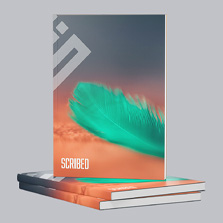
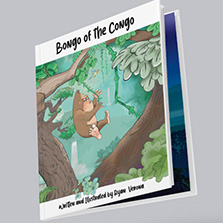
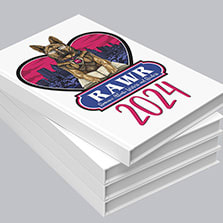
Book pricing depends on page count, interior color, trim size, and binding. Example: a 200-page black-and-white paperback often falls between $4 and $7 per unit at 250 copies. Add full-color interior or hardcover binding and expect $15 to $30 per unit at similar quantities. Print-on-demand reduces inventory risk but increases per-unit cost; bulk runs lower per-unit cost but require warehousing.
Booklets: Cost-effective options
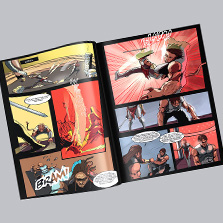
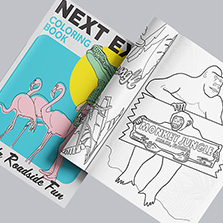
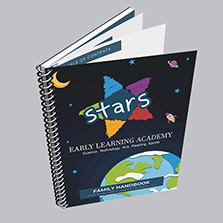
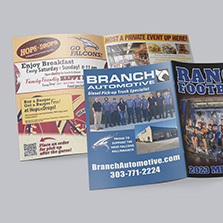
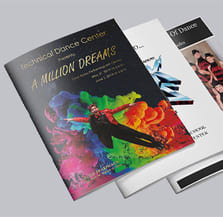
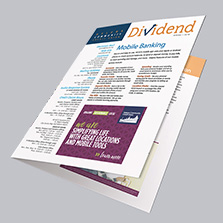
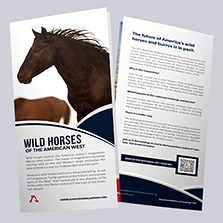
Booklets are the most cost-flexible product. An 8- to 48-page saddle-stitched booklet on coated paper can cost under $1 each at higher quantities. To cut costs, limit full-color pages, use standard sizes, and choose saddle-stitch over perfect binding when possible. For short runs under 250, expect $1 to $3.50 per unit.
Catalogs: Balancing quality and cost
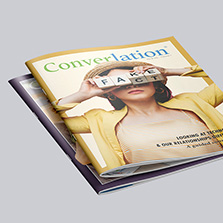
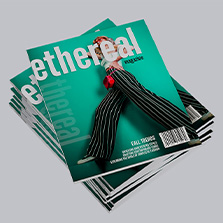
Catalogs can be expensive due to heavy paper and full-color spreads. A 32-page full-color catalog might cost $2.50 per unit at 1,000 units, rising above $10 each with premium paper or special finishes. Consider digital catalogs, insert strategies, or two-tier printing – glossy covers with lighter interior stock – to lower costs while keeping perceived quality.
Calendars: Affordable promotional tools
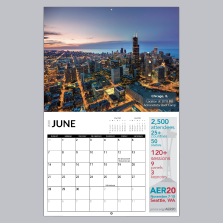
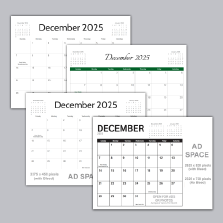
Calendars are strong promotional items because they combine utility and brand visibility. Costs vary by format: wall calendars with coil binding and 100 lb gloss pages range from $2 to $8 per unit depending on quantity. Desk calendars or smaller formats lower per-unit costs. For giveaways, order larger quantities to access deep bulk discounts.
Check your files with our Free File Review with a 43-point inspection to detect all files for errors when it comes to industry standards of professional printing.
How to compare quotes and avoid hidden costs
Comparing quotes requires reading beyond the headline per-unit number. Total cost of ownership includes production, proofs, shipping, taxes, and handling. Build a checklist to compare apples to apples across vendors.
Ask vendors to confirm:
- exact paper weights and finishes,
- setup or plate fees,
- proofing costs and sample policies,
- shipping method and transit times.
Use scenario examples – e.g., 500 copies of a 48-page booklet with glossy cover – and request all-in pricing. That reveals true competitiveness.
Interpreting line items in quotes
Common line items:
- unit price – core production cost per item,
- setup or make-ready – one-time fee for press setup,
- proofs – hard-copy or color-corrected proofs fees,
- finishing – laminates, UV coating, binding surcharges.
If a quote shows a low unit price but a high setup fee, break-even quantity may be higher than needed. Divide setup fee by planned quantity to see the real unit impact.
Identifying shipping and setup fees
Shipping can add 5 to 25 percent to small and medium orders. Many printers offer flat-rate shipping for pallet orders but charge per-pound for smaller boxes. Setup fees are standard for offset runs and sometimes apply for custom die cuts or unique finishes. Request both door-to-door and warehouse pickup options to compare costs.

Cost-saving strategies and best practices
Practical strategies reduce cost without sacrificing perceived quality. Use data-driven trade-offs to balance visual impact and budget.
Start with:
- standard sizes and templates to avoid custom setup fees,
- limited color interiors, full color on covers only,
- combining titles into multi-title runs when schedules align,
- negotiating payment and shipping terms for repeat orders.
Implement a consistent specification sheet to speed quoting and reduce surprises across vendors.
Utilizing standard sizes and templates
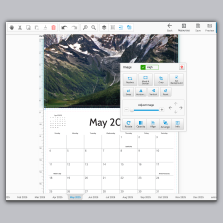
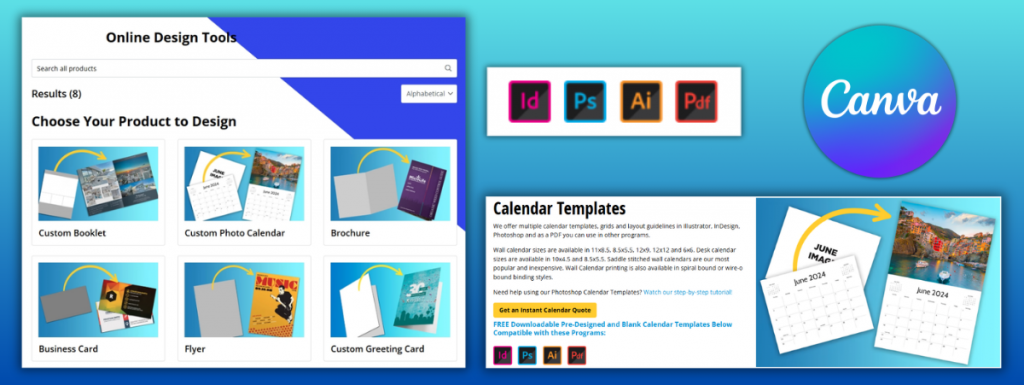
Standard formats like 5.5 x 8.5, 6 x 9, and tabloid sizes reduce setup complexity and minimize trim waste. Many printers, including PrintingCenterUSA, offer Free Downloadable Adobe templates and Online Design Tools with preflight checks that align files to press requirements. Using templates reduces proof cycles and eliminates custom imposition fees. Some people use Canva for their project but forget the design process and Find a Designer with our partnered program.
Leveraging bulk discounts
Bulk discounts kick in at predictable breakpoints. If storage is low-cost, ordering larger runs spreads fixed setup fees across more units. Consider split shipments or staggered delivery to manage inventory while keeping unit economics attractive.
Taking advantage of online promotions to find affordable printing prices
Online printers run regular promotions – seasonal discounts, first-time order codes, and quantity-based coupons. Sign up for vendor newsletters and use calculators to model promotion impact. PrintingCenterUSA frequently lists special offers on printingcenterusa.com that can lower costs for small and medium runs.
PrintingCenterUSA pricing snapshot and getting a quote
PrintingCenterUSA positions itself as an affordable, quality-focused online printer serving both individuals and businesses nationwide. The company publishes quick pricing calculators for books, booklets, catalogs, and calendars that reflect realistic production times and transparent fees. Find affordable printing prices today!
PrintingCenterUSA balances digital-on-demand options for small runs and competitive pricing for larger orders. Their online proofing, template downloads, and customer support streamline ordering and reduce hidden costs, making final quotes easier to compare against market benchmarks.
How to use PrintingCenterUSA’s online ordering system
Find affordable printing prices using PrintingCenterUSA’s simple system:
- choose product type and trim size,
- enter page count and interior color options,
- select paper stock and binding,
- review instant price estimates and turnaround times,
- upload print-ready files and request a physical proof if needed.
Checkout displays shipping and taxes so you see the all-in price before ordering. For custom projects, contact their customer support for a formal quote and production schedule.
Understanding PrintingCenterUSA’s competitive pricing
PrintingCenterUSA’s pricing is competitive because it combines efficient production workflows with transparent online calculators. Per-unit estimates reflect material and labor costs and include clear breakpoints for bulk discounts. For many common projects, their published estimates fall within the low-to-mid ranges listed earlier, while offering optional upgrades and rush services priced separately.
Ready to Turn Your Print Projects Into Rewards?
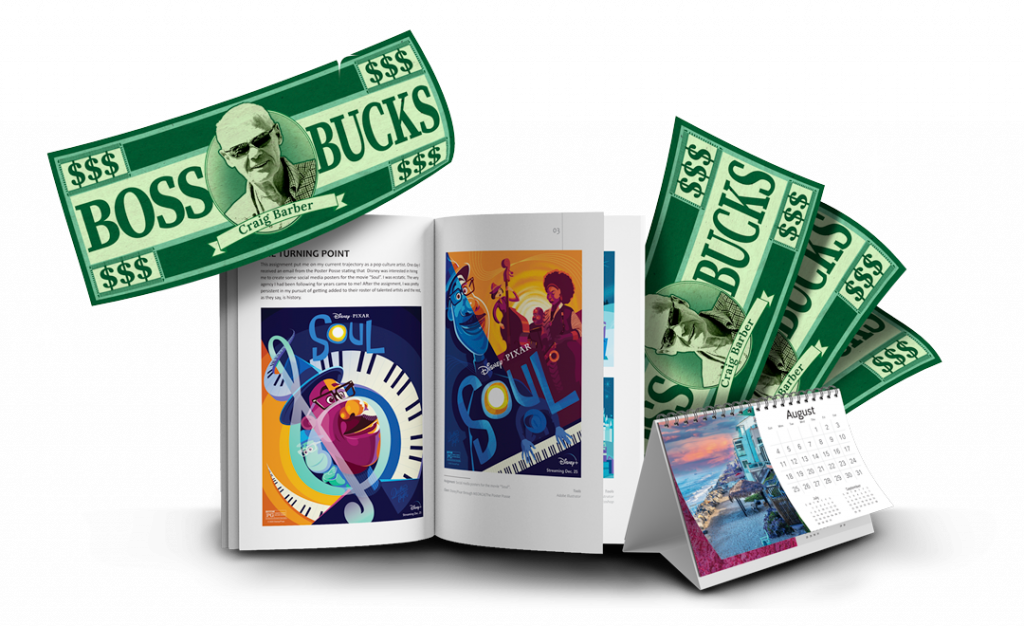
If you’re a creator, author, designer, or growing business, did you know the PCUSA Creator & Partner Network was built for you? Share your work, tell your story, and earn Boss Bucks (print credit) or even cash just for participating! Programs like the Creator Spotlight, Success Stories, Partner Referrals, and the Affiliate Program let you get featured, grow your reach, and earn up to $650 in rewards at no cost to join. It takes just a few minutes. Get started now!
Find Affordable Printing Prices
Budgeting for printing in 2026 is straightforward when you use benchmarks, focus on the main cost drivers, and request all-in quotes. Start by defining finding affordable printing prices by exploring the essential specs – size, pages, color, binding – and then get scenario-based quotes from multiple vendors. Use templates and standard sizes to reduce setup fees, and weigh inventory costs against per-unit savings.
For an immediate, transparent quote and online ordering, visit PrintingCenterUSA at printingcenterusa.com and input your project details. Compare their all-in price with at least one other provider to confirm value.
Frequently asked questions
How much should I expect to spend on proofing and setup?
Proofing commonly costs $25 to $250 depending on whether you want a digital proof or a hard-copy color proof. Setup fees vary by process – digital has minimal setup, offset can have $50 to $300 plate or make-ready fees. Ask for bundle pricing to see if proofs are included.
Can I reduce costs by changing paper or finishes?
Yes. Switching from 100 lb gloss to 70 lb gloss can lower cost 10 to 30 percent. Removing UV coating or choosing standard matte instead of specialty laminates also reduces expense. Prioritize cover finishes over interior for perceived quality.
When do bulk discounts start to matter?
Bulk economics improve significantly around 500 to 1,000 units for many formats. For catalogs and calendars, discounts are noticeable at 250+ units. Calculate the break-even where setup fees divided by quantity offset lower per-unit pricing.
Is PrintingCenterUSA suitable for small authors and large organizations?
PrintingCenterUSA serves both. Their on-demand options support small authors and short-run needs, while bulk pricing and account support handle larger organizational orders. The online quoting tool and customer service make it easy to get scalable estimates.