



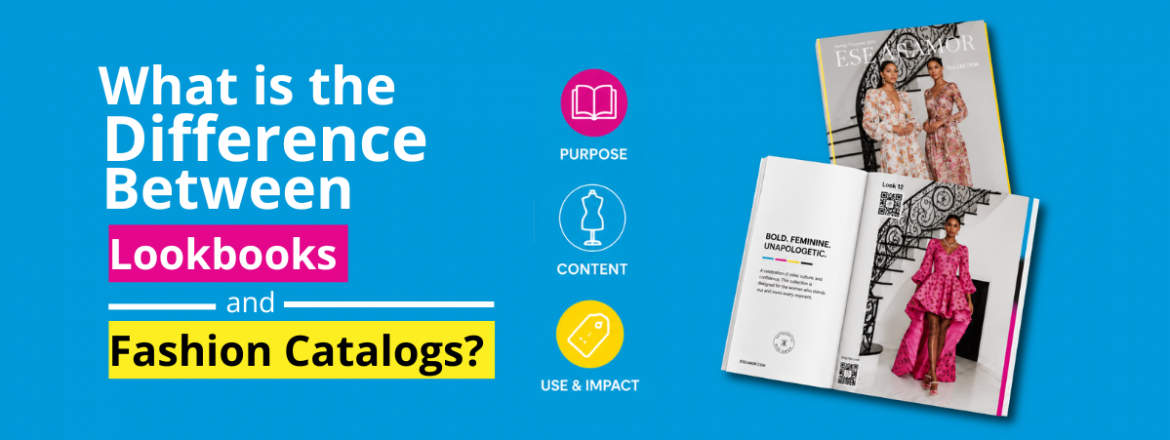
What is the Difference Between Lookbooks and Fashion Catalogs?
When building a brand, how you present the products sets the tone more than people realize.
Lookbooks and fashion catalogs tend to get used interchangeably. They are not the same thing. One is designed to inspire through well-thought out looks and scenery, while the other is simply designed to sell. They look pretty similar on the surface and honestly sound the same, but it comes down to the details and strategy. Both are valuable marketing tools. Understanding the difference helps you choose the right format and get more out whichever one you create.
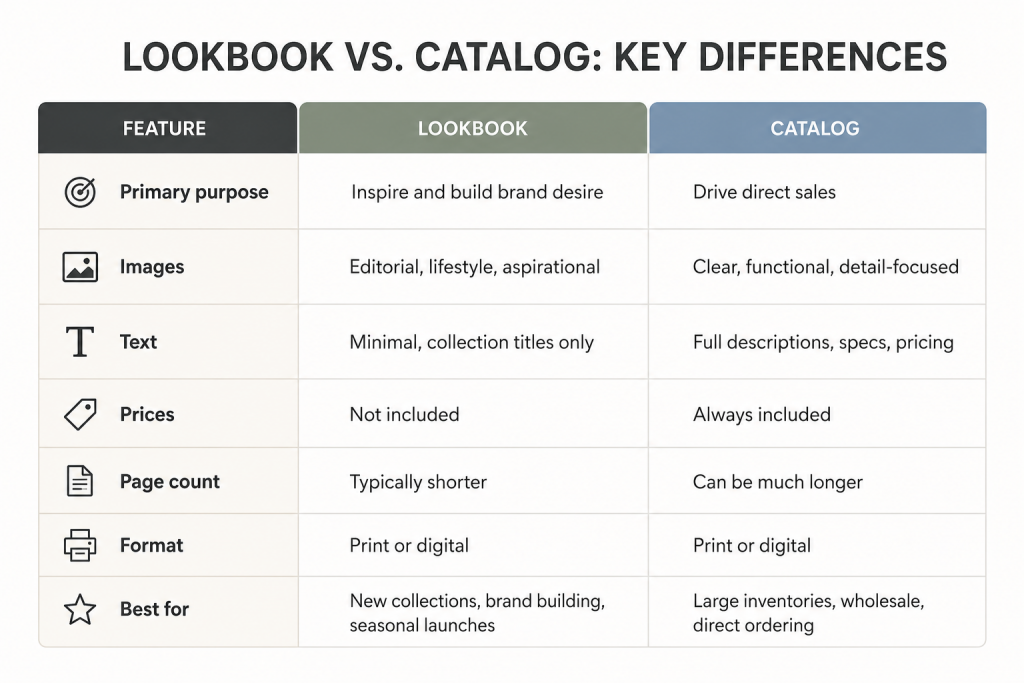
Here are the key differences between lookbooks and catalogs.
What is a Lookbook?
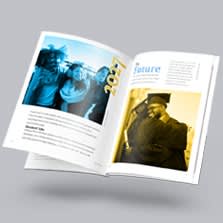
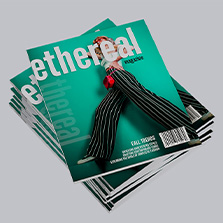
A lookbook is a visual story of a product. It highlights your collection through images and styling, letting customers experience your products in an aesthetic way without the extra details like descriptions, sizing, and pricing getting in the way.
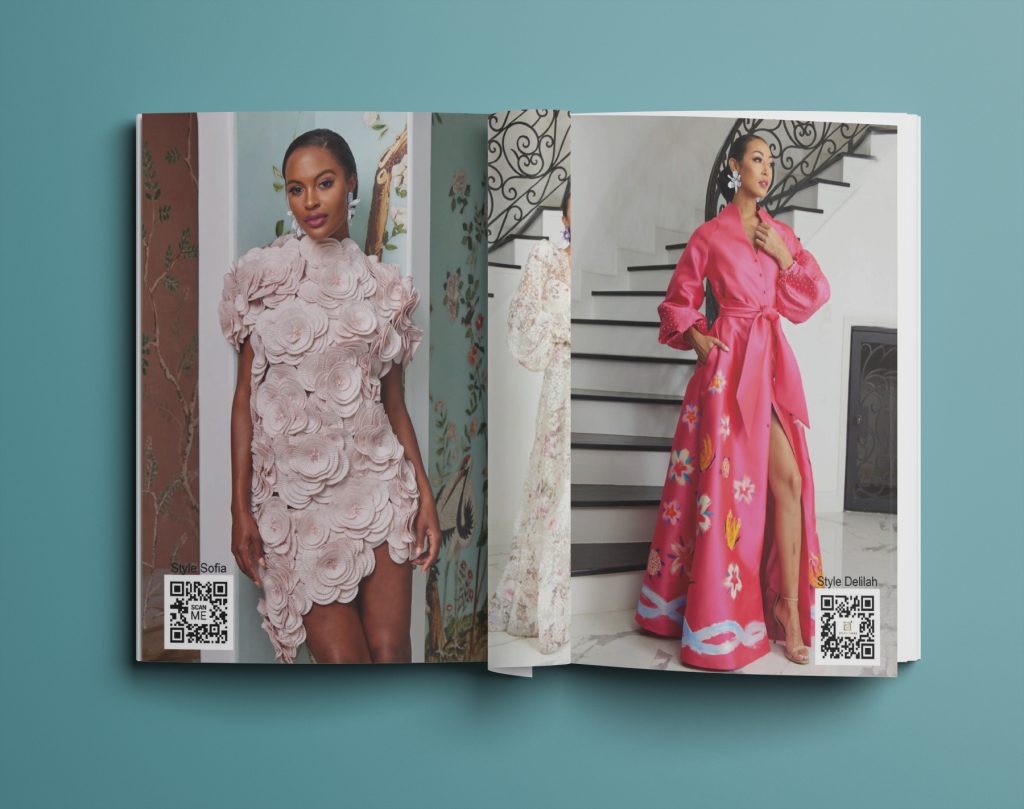
Lookbooks are typically released seasonally or alongside a new collection. Think about when you check out from a store and they hand you what you think is a catalog for their new collection. Flip through it. It’s actually a lookbook, it works great for awareness and shows what you can do with the product. It gives people new inspiration to see how good it can look in your life. The focus is on how it all feels.
What is a Fashion Catalog?
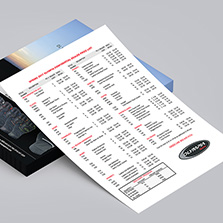
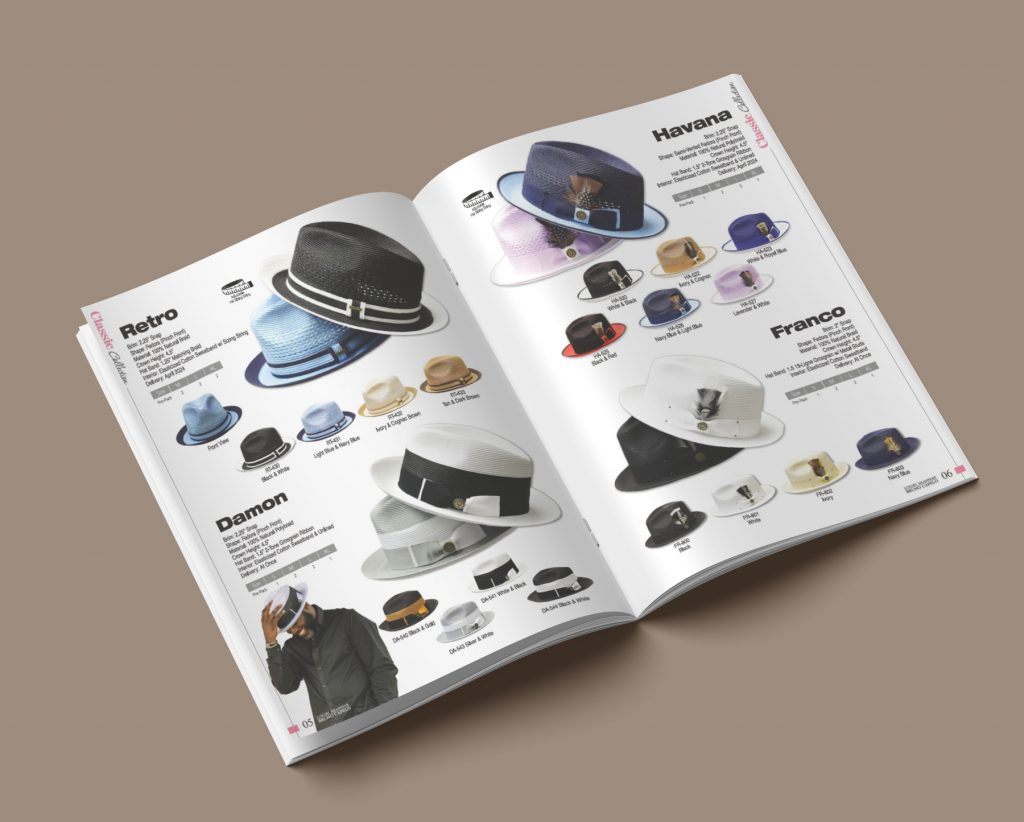
A fashion catalog is a complete product reference. It lists your full collection with everything someone needs to make a purchase like sizes, colors, materials, pricing, item numbers and measurement details.
A lookbook draws people into a feeling and in their life while a catalog gives them everything, they need to act on it. Product images in a catalog are basic so it’s clear and functional with close-ups, color variations, and key features rather than editorial styling. The goal is to make it easy for buyers to find exactly what they are looking for and order easily.
Why Use a Lookbook?
Put yourself in the consumers’ shoes. What you notice immediately is the style. A lookbook works as a style inspiration guide, showing a look from head to toe and how different pieces in your collection work together. Think of it as a way to get Pinterest-style boards into your customers’ hands. Someone might scroll past a shirt in a standard catalog listing, but in a full outfit? They might see a completely different vision.
It is also a chance to present your brand’s aesthetic in a focused way. The imagery, the color palette and overall flow show a specific point of view. Consistency is part of what builds recognition over time and makes your brand feel like a premium.
Lookbooks also nurture existing customers. A seasonal lookbook gives previous buyers a reason to come back and see what’s new without a hard sell, which may not be something they are ready for, especially if it has been a while since their last purchase.
If your primary goal is to make people fall in love with your brand, make a lookbook. If your primary goal is to make it easy for someone to buy, make a catalog. Many brands do both, using the lookbooks builds desire and the catalog closes the sale.
What industries use a lookbook?
Lookbooks are most valuable when products are better understood together rather than individually.
- Fashion and apparel: The original home of the lookbook. The EASIEST win. Outfit styling, seasonal collections, and trend-forward make this format a natural fit.
- Home Décor: Show furniture and décor in real rooms on a real scale. Seering a couch in a styled living room tells a customer a lot more than a product shot on a plain background. Think about any furniture store you walk into; there is ALWAYS a section with complete rooms decorated.
- Accessories and Jewelry: Styling pieces together in a lookbook helps customers see how items complement each other.
- Sports and Outdoor: When your product is tied to an activity, showing it in action communicates the value of the brand beyond functionality.
- Wholesale: Give your sales team a professional way to present a collection in meetings without walking through an entire product list. It supports the conversation instead of replacing it.
Catalogs work best for industries with large, detailed inventories like mechanical, industrial, beauty, jewelry, food and beverage, pets, and toys are all strong catalog industries.
Tip: Pairing items together in a lookbook can increase average order value
How to Make a Lookbook?
- Define your Concept: Pick a theme. A season, color story, a certain mood. Everything else builds from that.
- Plan your Content: Before you shoot anything, think about product groupings, locations, and props.
- Shoot your Images: Capture the products and the feeling behind the products. Always shoot at 300 DPI or higher for the crispest print results.
- Design: Use Illustrator, InDesign, or Photoshop with PrintingCenterUSA’s free templates to put it all together. If you don’t have adobe products, consider PrintingCenterUSA’s free lookbook design tool or Canva. Keep it balanced and design in CMYK for the best color print results
- Print it: Choose your binding. Saddle-stitch for shorter books, or perfect bound for thicker ones. Export as a print-ready PDF and send to print!
For a more detailed walkthrough, check out our full step-by-step guide.
Frequently Asked Questions
Are lookbooks still relevant? Yes, and lookbooks have gotten more valuable. The way people discover products has changed with digital content but the appeal of a lookbook has not. People still respond to great images and storytelling instead of just pushing a sale. This stands out especially in print.
How long should a lookbook be? There is not a set rule for length. A lookbook should be long enough to paint a narrative but short enough to hold attention. The right length depends on the collection and binding. Most fall between 16 and 52 pages
Should my lookbook be digital or printed? Both have a place. Digital lookbooks are interactive, easy to distribute, and easy to track performance on. Printed lookbooks get directly in people’s hands. The feel of the paper and the weight of it shows quality before anyone even opens it. They also tend to stick around. A printed lookbook sits on a table, gets handed to a colleague or friend, and lives in the room for a lot longer than a link does. Many brands do both, using print for in-person environments and digital for online spaces.
Do I need a lookbook and a catalog? No, but many brands use both, because they serve a purpose at different stages of the customer journey. A lookbook pulls people in and builds desire. A catalog gives them everything they need to act on it.
Is it lookbook or look book? Both apply. But it’s one word. Lookbook is the industry standard especially in fashion, marketing, and e-commerce. Look book is commonly used for older references.
Ready to Turn Your Print Projects Into Rewards?
If you’re a creator, author, designer, or growing business, did you know the PCUSA Creator & Partner Network was built for you? Share your work, tell your story, and earn Boss Bucks (print credit) or even cash just for participating! Programs like the Creator Spotlight, Success Stories, Partner Referrals, and the Affiliate Program let you get featured, grow your reach, and earn up to $650 in rewards at no cost to join. It takes just a few minutes. Get started now!
Get Started With Your Lookbook
A successful lookbook starts with great print quality. At PrintingCenterUSA we have over 50 years of print experience and a team that cares about how your project turns out. We have all the free to to help you get started:
Watch this quick video to explore your lookbook options before you decide
Know what you’re looking for? Create an instant quote to check out pricing