







Paper Weight Guide: How to Choose the Right Paper Thickness for Printing
Paper weight is one of those decisions that sounds technical but is actually pretty intuitive once you understand what the numbers mean. The weight of your paper changes how your piece feels in someone’s hands, how colors print, whether ink bleeds through, and ultimately what impression your brand makes before a single word is read.
This guide breaks down every paper weight category, what each one is actually used for, and how to choose the right thickness for your specific project. Order a free sample packet or start your project today!
What Is Paper Weight?
Paper weight refers to the thickness and sturdiness of a sheet, measured either in pounds (lb) or grams per square meter (gsm). In the US, the pound measurement refers to the weight of 500 sheets cut to a standard size before trimming, which is why the numbers can feel confusing at first. The simple rule is this: the higher the number, the thicker and heavier the paper.
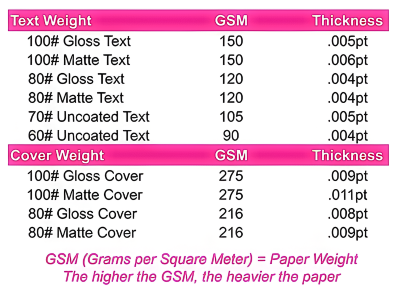
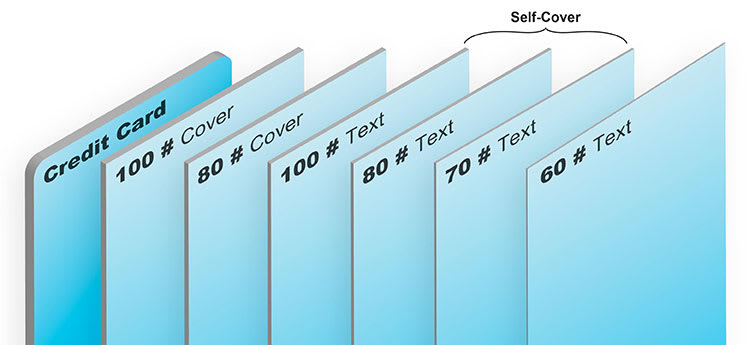
The two most common measurements you will see when ordering print are text weight and cover weight. Text weight papers are thinner and more flexible, used for interior pages. Cover weight papers are thicker and more rigid, used for covers, postcards, and marketing materials. A 100 lb text and a 100 lb cover are not the same thickness, so knowing which category you are looking at matters.
Paper Weight Cheat Sheet
If you need a fast reference before diving into the full breakdown:
20 to 24 lb (75 to 90 gsm): Everyday office printing and internal documents
28 to 32 lb (105 to 120 gsm): Professional documents, resumes, proposals
60 to 80 lb text (90 to 120 gsm): Book interiors, booklets, brochures, catalogs
100 lb text (148 gsm): Premium magazines, art books, high-end publications
80 to 100 lb cover (216 to 270 gsm): Booklet covers, postcards, marketing materials
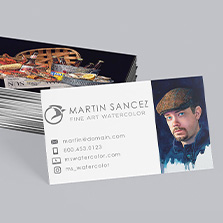
110 to 130 lb cover (298 to 352 gsm): Business cards, invitations, luxury prints
140 lb and up (378 gsm+): Board stock, hardcover binding, packaging
Writing and Office Papers: 20 to 50 lb (75 to 90 gsm)
This is your everyday paper, the stuff that lives in office printers and copy machines. It is thin, lightweight, and designed for function over feel.
20 lb is standard copy paper, perfectly fine for internal memos, drafts, and high-volume document printing where cost matters more than impression. 24 lb is a small but noticeable step up, with a slightly better texture and more durability. It is a good choice for business correspondence and reports you are sending externally. 28 to 32 lb paper has a sturdier feel that makes it appropriate for resumes, letterheads, and proposals where you want the paper itself to signal quality without tipping into cardstock territory.
Text Papers: 60 to 100 lb (89 to 148 gsm)
Text weight papers are the workhorses of professional printing. They are flexible enough to fold cleanly, thick enough to feel substantial, and they print full color beautifully.
60 lb text is a step above office paper with better opacity and a noticeably higher quality feel. It works well for book interiors and high-volume publications where you need quality at scale. 70 lb text is one of the most popular choices for booklet and catalog interiors because it handles full color printing with minimal ink bleed-through. 80 lb text is where you start to feel a real difference in hand. It is excellent for premium magazines, corporate booklets, and any interior page where you want the paper to feel intentional. 100 lb text is the top of this category, used for art books, high-end publications, and premium flyers where the paper quality is part of the product.
Light Cardstocks: 58 to 70 lb (157 to 190 gsm)
This range sits at the crossover point between paper and cardstock. It supports double-sided printing without show-through and has enough presence to feel substantial without being rigid.
58 to 60 lb cardstock works well for substantial flyers and presentations. 70 lb cardstock is a great choice for program booklets, deluxe company profiles, and any piece that needs to feel premium without the full weight of heavier cardstock.
Midweight Cardstocks: 80 to 100 lb (216 to 280 gsm)
This is the most commonly used range for covers, postcards, and marketing materials. It is thick enough to feel durable, flexible enough to handle without feeling like a board.
80 lb cover is the go-to for booklet and catalog covers. It provides a sturdy base for embossing and other special finishes and holds up well to repeated handling. 90 lb cover works beautifully for business cards and invitation cards. It feels substantial without being stiff. 100 lb cover is ideal for premium magazine covers, report covers, and promotional postcards where you want the piece to feel like it cost something.
Heavy Cardstocks: 110 to 130 lb (298 to 352 gsm)
At this weight, paper communicates luxury before the content even registers. These are the papers you reach for when the physical object itself needs to make a statement.
110 lb cover is a popular choice for heavyweight business cards, announcements, and invitation suites. It provides a dramatic backdrop for vibrant colors and detailed printing. 120 lb cover is excellent for book covers, heavyweight photo prints, and high-end standalone displays. 130 lb cover is the top of the premium cardstock range, used for the most luxurious business cards, package inserts, retail hang tags, and exclusive document covers.
Specialty Papers: 140 lb and Up (378 gsm+)
At 140 lb and beyond you are entering board stock territory. These papers are used for hardcover bookbinding, packaging solutions, and high-quality mounting boards where maximum strength and rigidity are required.
Paper Weight by Project Type
Here is how to match weight to product so you can order with confidence!
Flyers: 70 to 100 lb text
Brochures: 80 to 100 lb text
Booklet interiors: 60 to 80 lb text
Booklet covers: 80 to 100 lb cover
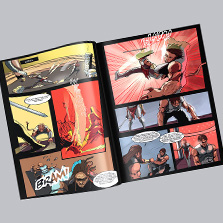
Magazines: 80 lb text interior, 100 lb cover
Business cards: 100 lb cover and up
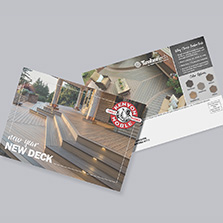
Postcards: 100 lb cover
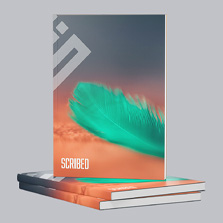
Photo books: 100 lb text interior, 120 lb cover
Books and manuals: 60 to 70 lb text interior
Invitations: 110 lb cover and up
Not sure how to get your file print-ready? PrintingCenterUSA has you covered!
Use our free online design tool to build your layout directly in the browser with no software required, or download one of our free Adobe templates, already sized and set up for print so your file is ready to go from the first click. If you have an existing file, submit it for a free file review and our 43-point instant inspection will check it for any issues before it goes to press. And if you would rather hand the whole project off, our Find a Designer service connects you with a professional who can bring your vision to life from scratch. Even design in Canva and upload your files! However you like to work, we have an option that fits.
How to Choose the Right Paper Weight
Four questions will get you most of the way there.
How will it be used?
A piece that gets handled repeatedly, passed around, mailed, or carried in a bag needs more durability than something displayed in a rack or read once and filed.
Who is the audience?
A high-end clientele expects premium materials. A casual or high-volume audience is better served by something cost-effective that still looks professional.
How much ink coverage does your design have?
Full bleed designs with heavy color or photography need thicker paper to prevent show-through and ensure colors print accurately.
What is your budget?
Heavier paper costs more, both in material and shipping weight. It is worth it when the piece needs to feel premium. It is overkill when function is the priority.

Paper Weight and Perception
This is the part that does not show up on spec sheets but matters just as much as anything technical. Heavier paper feels more valuable. It is not a marketing claim, it is a documented psychological response. When someone picks up a piece printed on premium paper, they assign more credibility, more care, and more value to the brand behind it before reading a single word.
For small businesses especially, the paper weight you choose is doing quiet but powerful work on your behalf every time someone handles your materials.
Frequently Asked Questions
Is 100 lb paper thicker than 80 lb paper?
Yes. 100 lb paper is thicker, sturdier, and less transparent than 80 lb paper. It is the better choice for high-end marketing materials, booklet covers, and any project where durability and a premium feel matter.
Is 20 lb or 24 lb paper better?
It depends on the use. 24 lb is marginally thicker and more durable, making it a better choice for professional correspondence and documents going out to clients. 20 lb is perfectly fine for internal printing and high-volume documents where cost is the priority.
What is 32 lb paper used for?
32 lb paper hits a nice middle ground between everyday paper and cardstock. It is commonly used for resumes, business proposals, and presentations where you want the paper to feel intentional without the rigidity of heavier stock.
What is 40 lb paper used for?
40 lb paper is often used for posters, lightweight booklets, and craft projects. It is stiffer than standard office paper but lighter than true cardstock, making it a good middle-ground option for projects that need a little more body without full cardstock weight.
Can I mix paper weights in one project?
Yes, and it is a smart move for booklets and catalogs. Using a heavier cover stock with a lighter interior text paper is standard practice. It gives the piece a premium feel on the outside while keeping production costs manageable on the inside.
What is the difference between text weight and cover weight paper?
Text weight paper is thinner and more flexible, designed for interior pages, books, and brochures. Cover weight paper is thicker and more rigid, designed for covers, postcards, and marketing materials. The confusing part is that a 100 lb text and a 100 lb cover are not the same thickness. Cover weight paper is always heavier and sturdier than the same numbered text weight.
What paper weight is best for double-sided printing?
Anything 70 lb text and above handles double-sided printing well. Below that, ink from one side can show through to the other, especially with heavy color coverage or dark backgrounds. If your design is image-heavy or uses a lot of ink, 80 lb text or higher is the safer choice.
Does paper weight affect how colors print?
Yes. Thinner papers are more transparent, which means colors can look duller or washed out, especially with heavy ink coverage. Thicker papers give ink a more solid surface to sit on, which produces richer, more accurate color. If color accuracy matters for your project, 80 lb text and above is where you want to be.
What paper weight do most professional booklets use?
Most professional booklets use 60 to 80 lb text for interior pages and 80 to 100 lb cover stock for the cover. This combination gives the piece a premium feel without driving up production costs significantly.
Can paper weight affect mailing costs?
Yes. Heavier paper adds weight to your mail piece, which can push it into a higher postage category. If you are planning a large direct mail campaign, it is worth factoring paper weight into your budget early. Our team can help you find the right balance between a quality feel and a manageable mailing weight.
Free Paper Sample Book!
Choosing the perfect paper has never been easier!
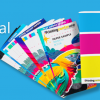
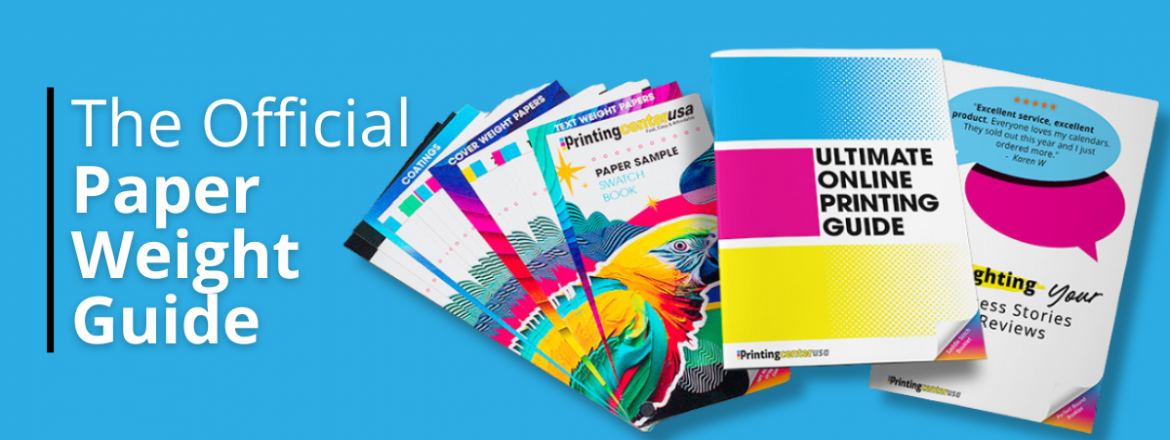
Our Paper Sample Swatch Book, included in a FREE sample pack, lets you fan through various paper weights and finishes with ease. Each grommeted book is your tactile guide to our extensive paper selection. Compare coatings and textures side by side and make confident choices. Order your free sample pack today at PrintingCenterUSA and feel the difference quality paper makes!
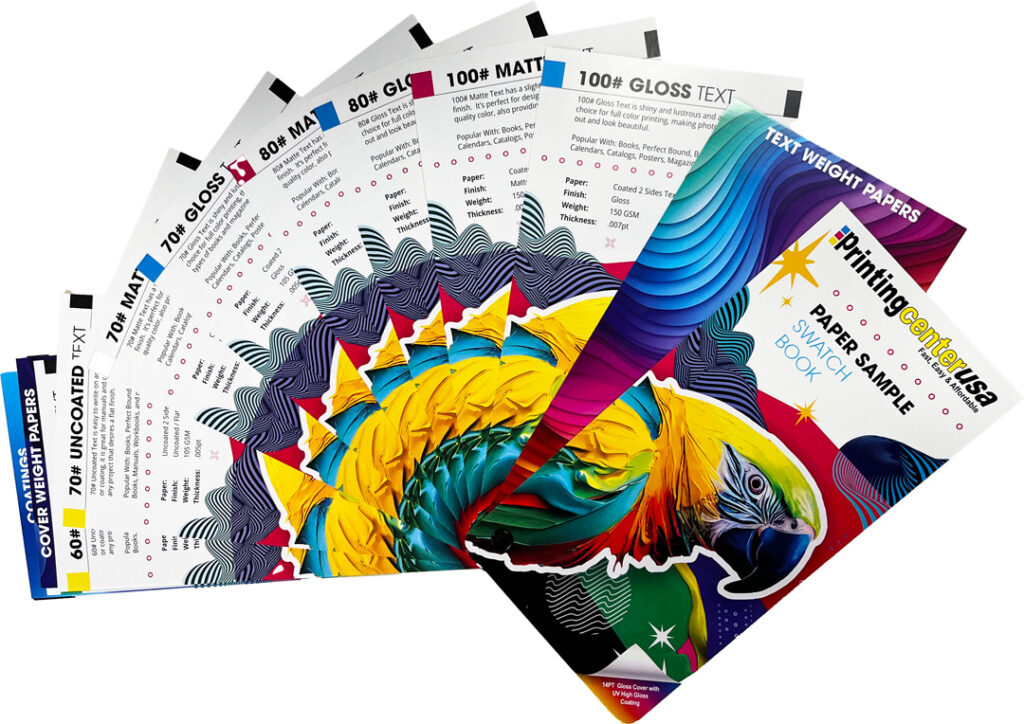
Remember, the right paper weight can elevate your project from ordinary to extraordinary. And for an unbeatable printing experience with guaranteed quality, visit PrintingCenterUSA. Don’t hesitate to utilize our free file review service to ensure your project prints perfectly on the paper weight of your choice. Get started today and make your print project a resounding success!