













How to Turn Your Customer Requests into New Products
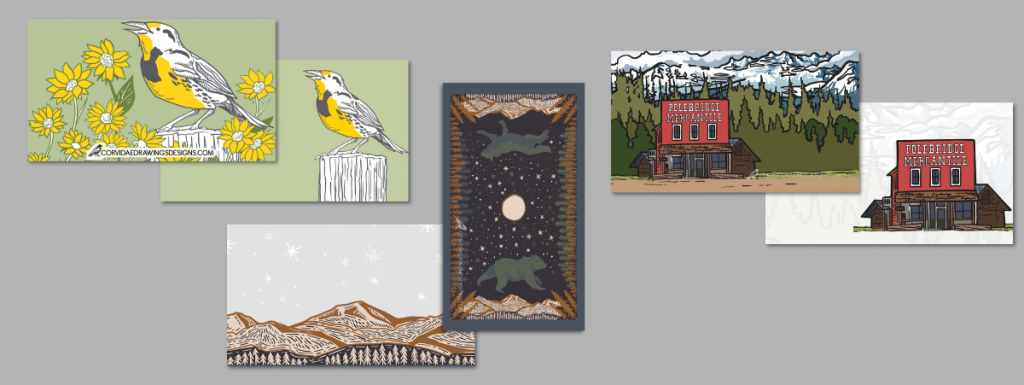
Spend a lot of time trying to figure out what new products customers want but the truth is that customers are usually I’m telling you. Sometimes products hide in plain sight. For Kim Shirley, owner and artist behind Corvidae Drawings and Designs, customers kept asking for something smaller. Not because her cards were too big, but because sometimes the message is short and the space feels too large for it. That simple, repeated request has now grown into a whole new product line. Here are five lessons from Kim’s experience that any small business owner or artist can try when creating new products for your customers. Start your new product today!
“Sometimes the best new product isn’t a completely new idea. It’s listening to what your customers have been telling you all along.” Kim Shirley
5 Ways to Turn Customer Requests Into New Products
But how do you find products and ideas that customers are always asking for? Find more success in high value, high demand products, here’s how.
1. How to Listen for Patterns, Not One-Time Requests
Your customers are your eyes and ears to the inside market. They reveal new opportunities way before the research comes out. One request is an exception. Ten similar requests from different people are market research. Ways to start noticing patterns in your own business:
- Keep a running note of customer questions, even informal ones at markets and shows
- Pay attention to what customers ask for that you currently cannot provide
- Notice when multiple customers solve the same problem using a workaround
- Track what people say when they put something down without buying
When the same request keeps surfacing, that is a signal worth taking seriously.
2. How to Focus on the Problem Behind the Request
Are the customers always right? Well maybe, one of the smartest decisions Kim made was choosing a flat card rather than a folded format. A flat card is easier to use, requires no envelope, costs less to package, and gives customers more flexibility in how they use it. Simplicity often increases the number of situations a product fits into.
Customers were not asking for a complicated solution. They wanted something smaller, cleaner, and quicker. The flat format delivered all three without adding any friction. Kim was surprised at all the new unique ways her customers were using her product. That’s what happens when your customers now best.
3. How to Create Products That Can Serve Multiple Purposes
The most successful stationery products rarely serve just one purpose. When Kim’s mini flat cards launched, she expected customers to use them primarily as message cards. What actually happened was more interesting.
Customers found their own uses. Kim’s mini flat cards are now being used as:
- Gift enclosure cards paired with packages and presents
- Gift tags attached directly to items
- Lunchbox notes for kids
- Place settings at dinners and events
- Motivational quotes displayed on desks or fridges
- Appointment reminders for small service businesses
- Thank you notes for customers and clients
The more situations customers can imagine using your product, the more valuable it becomes. And the more they buy. Use our free online design tool or free Adobe templates to create your next product! Not into design? Partner with one of our graphic designers in our find a designer program!
4. How to Start Small and Stay Flexible
People today love artist made creations that feel more personal and no mass production. Reddit discussions among stationery and Etsy sellers consistently show that unique, original artwork remains one of the strongest drivers of greeting card and stationery purchases.
When buying products, marketing can be a game changer. Some buyers can’t resist a limited time deal, limited edition, or special run. It makes them feel included and understood in a niche community where everyone is excited for the same thing. That emotional connection to the art is what keeps people coming back. It is also what makes a mini card worth buying when a generic alternative exists for less money.
5. How to Let Customers Expand the Vision
Kim created inventory that could help with retail sales, art shows, online orders, and ongoing customer demand without constantly reordering. Stationery has a broad appeal and ordering in bulk can really help the cost savings while keeping inventory stocked. Avoid one of the biggest problems for small businesses by ordering in bulk and keeping a large, wide inventory stock.
Know your anticipated demand before you print. Then add a buffer for the unexpected uptick you did not plan for.
Case Study
Kim Shirley of Corvidae Drawings and Designs partnered with PrintingCenterUSA to create a custom mini flat card that started as a response to customer requests and grew into one of her most versatile and popular products.
About Corvidae Drawings and Designs
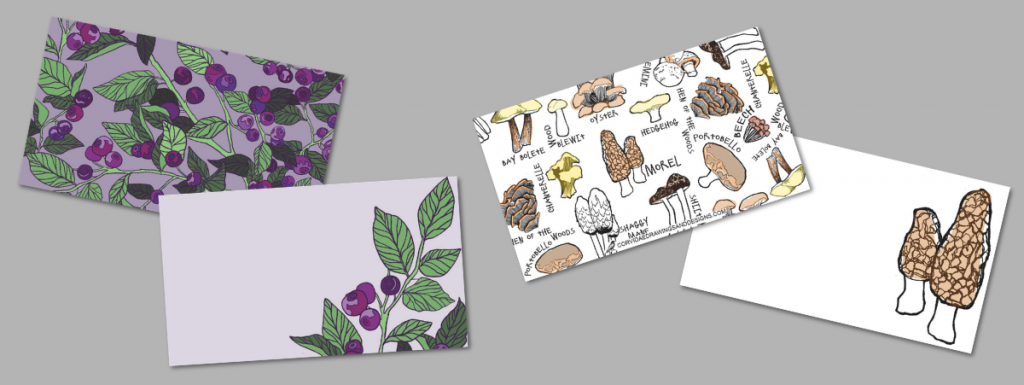
Kim Shirley is the owner and artist behind Corvidae Drawings and Designs, a small creative business where original illustrated artwork meets thoughtfully produced printed products. Kim sells at art markets and shows across the region, connecting directly with the customers who inspire her product decisions and keep her returning to the printing press with new ideas.
Her business is built on listening. Whether it is a comment at a market table or a question that keeps coming up from different customers over time, Kim pays attention. That attentiveness is exactly what led to the Moose Tiny Notes project.
The Inspiration
“Greeting cards are wonderful, but sometimes the space feels too large for your message. Early in my business, customers kept asking for something smaller, even when my cards were already on the petite side. They had a short simple message and didn’t need so much space to write it. That sparked the idea for these mini flat cards.” – Kim Shirley, Corvidae Drawings and Designs
The idea did not come from a trend report or a competitor analysis. It came from real people at real markets asking the same question repeatedly. Kim listened, sat with the problem, and designed something that solved it without overcomplicating it.
The Challenge
Creating a smaller format that still felt intentional, useful, and worth purchasing required thinking carefully about both form and function. The card needed to:
- Feel complete on its own without requiring an envelope or a fold
- Be small enough to solve the original problem but substantial enough to feel like a quality product
- Work across multiple use cases without being designed for just one
- Print beautifully on both sides with full color artwork at a compact size
Choosing the right paper was central to getting it right. Uncoated cardstock gave the cards a warm, tactile quality that matched the handmade spirit of Kim’s artwork while still delivering rich full color on both sides.
The Solution
Kim worked with PrintingCenterUSA to produce the Moose Tiny Notes. Here are the full print specifications:
| Job Name | Moose Tiny Notes |
| Size | 3.5 x 2 inches |
| Quantity | 20,000 |
| Paper Stock | 14 pt. Cardstock Uncoated |
| Printing | Full Color Both Sides (4/4) |
| Round Cornering | No |
| Proof | None |
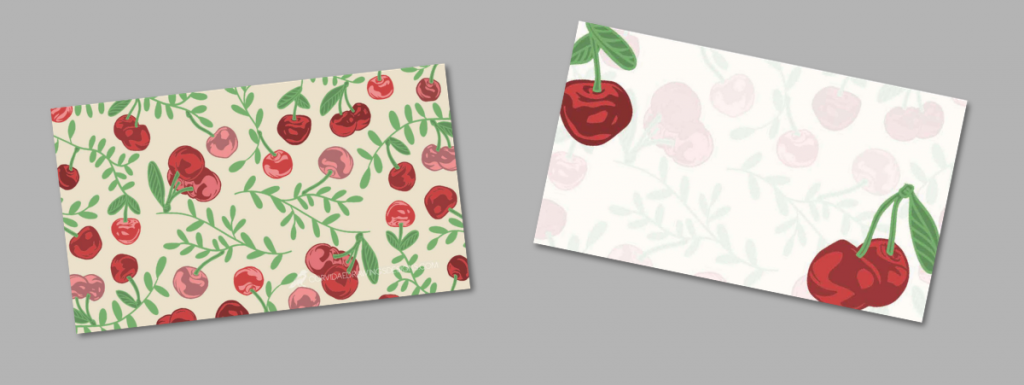
The flat format eliminated the need for an envelope and kept the card simple to produce and use. The 14 pt. uncoated cardstock gave the finished product a natural, quality feel that complemented the artistic character of Kim’s designs. At 20,000 copies, the print run reflected real confidence in a product that customer feedback had already validated before the first card was ever printed.
The Impact
“What started as making a smaller card for messages evolved into a gift enclosure card, because most of the people that asked about them wanted them for that use. But then I quickly realized they can be used for so much more: appointment reminders, motivational quotes, place settings, gift tags, lunchbox notes. The uses and possibilities are endless.” – Kim Shirley
The Moose Tiny Notes became exactly what great products become when they solve a real problem well: something customers find new uses for on their own. Kim designed a card for short messages. Her customers turned it into a year-round staple they reach for across a dozen different situations. That kind of organic versatility cannot be manufactured. It happens when a product is genuinely useful and genuinely well made.
Why Customer Feedback Is One of the Best Forms of Market Research
Customer Feedback Is One of the Best Forms of Market Research? Well yes, they know exactly what they are looking to buy and anticipate how they will use it before purchasing.
- The digital world is dominating, people value something that is tangible and meaningful.
- Smaller paper products and stationery are growing in popularity
- Artist made stationery will always outperform mass productions
- Multi-purpose products deliver greater perceived value and encourage repeat purchases, which is exactly what Kim’s mini cards do
The stationery market rewards authenticity, versatility, and original artwork. Kim’s mini flat cards deliver all three. That is not a coincidence. It is what happens when a product is built from real customer insight rather than guesswork.
Signs a Customer Request May Be Worth Pursuing
Not every request should become a product. But some are worth taking seriously. Here are the signals that a customer idea might be ready to develop:
- You hear the same request from multiple customers across different contexts
- Customers are already solving the problem themselves with a workaround
- The product would align naturally with what your brand already makes
- The format lends itself to multiple uses beyond the original request
- It fills a visible gap in your current product line
- The production cost is manageable enough to test without a massive commitment
When most of those signals are present at the same time, you are probably looking at something worth making.
FAQ Section
How do I know if a customer request is worth turning into a product? The strongest signal is repetition. When multiple customers ask for the same thing independently, that is real market validation. It is even more meaningful when customers are already trying to solve the problem themselves with a workaround. If the request also aligns with what your brand already does and the production cost is manageable, it is worth exploring seriously.
How many customer requests should I hear before acting? There is no magic number, but a pattern across different customers in different contexts is a much stronger signal than a single enthusiastic suggestion. Pay attention when the same idea surfaces unprompted from people who do not know each other. That is organic validation you cannot manufacture or buy.
What if customers use my product differently than I intended? That is often a gift, not a problem. Kim designed her mini flat cards for short messages. Her customers turned them into gift enclosures, place settings, lunchbox notes, and motivational displays. Unexpected uses reveal new audiences and new marketing angles. Stay curious about how people are using what you make.
Can small product ideas become profitable? Absolutely. Small format products like mini flat cards often have strong margins because they are affordable to produce at volume, easy to sell as add-ons, and practical enough that customers buy them in multiples. Kim’s 20,000 unit print run reflects real confidence in a product that customer feedback had already validated before the first card was ever printed.
What is the best paper stock for mini message cards? It depends on the feel you want to create. Uncoated cardstock like Kim chose gives cards a natural, tactile quality that works beautifully for artistic designs and handwritten notes. Gloss cardstock with UV coating delivers bold, vibrant color that works well for high-impact branding and promotional pieces. Order our Free Sample Pack to compare options before committing to your run.
How can artists find new product opportunities? The best source is the conversations already happening at your markets, in your inbox, and in your reviews. Pay attention to what people ask for that you cannot currently provide, what they say when they put something down without buying, and what they come back for repeatedly. Your customers are doing the research. You just have to listen.
How do I make sure my files are print ready? Upload your files to our Free File Review and our 43-point inspection system will check everything against industry printing standards, flagging issues like low-resolution images, missing bleeds, incorrect color mode, and margin problems before production begins.
Create Your Own Custom Product
PrintingCenterUSA, helping artists, creators, and entrepreneurs bring customer inspired ideas to life for over 50 years, is a great place to start expanding your print products. Order a free sample packet today or give us a call at 800-995-1555 and talk to a real print expert.