














How to Find a Book Editor
Are you finished with your book draft and wanting to get it ready to read? Before you publish, your book needs a second set of eyes, someone who can catch what you can’t see after reading the same pages a few dozen times. Here’s a complete guide on how to find a book editor, how to find a good one, and what you should expect to pay.
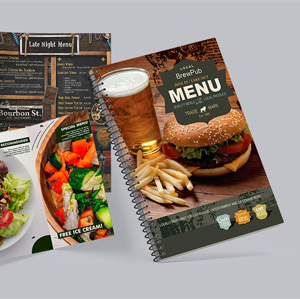
If you’re ready to prin your book, download our free book printing guide to get inspired with real tips, find the right specs and see why PrintingCenterUSA is the right printer for your book.
Quick Answer: How to Find a Book Editor
If you Google “book editor” you’ll probably get a wall of agencies and freelancers who all sound exactly the same. It really matters where you’re looking, especially if you’re looking for a specialized editor for a specific genre.


Here are the most popular places to look to find a reputable book editor:
- Reedsy Marketplace is built for book editors only. They’ve been carefully evaluated before they’re listed, and you can filter by genre, experience, and rates.
- Fiverr, Upwork are online platforms where you can work directly with freelancers. If you’re on a tighter budget, it’s a great avenue to go down. You’ll have to do a lot more filtering because they list out a lot of general work, so there are thousands of options you’ll have to look through.
- The Editorial Freelancers Association, ACES: The Society for Editing, and the Alliance of Independent Authors all run their own directories of service providers. You’ll have to filter through a little bit, but editors pay out of pocket to be listed, which makes it a bit more reputable. The Alliance and the EFA specifically list qualified book editors whereas ACES covers editors, proofreaders, and designers so freelance book editors can find clients and publishers can find qualified talent.
- There are Facebook and Reddit Groups, made specifically to connect editors with authors out there. You can search “book editor” with your genre and a few will pop up. There are a lot of people who post over in r/Hireaneditor or r/Hireabookeditor and then you can connect with them there.
- Writing conferences are an avenue to not forget about. Five minutes talking to someone in person will tell you a lot about whether you work well together, more than finding them online. They’re in the room with you, so it’s easy to also meet people and network.
No matter the editor you go with, make sure you get a sample edit. In the sample edit, they should be able to identify anything in your writing that might be straying away from your plot and goals.
What Are The Four Types of Book Editing?
There are four different types of book editing: developmental, line, copy, and proofreading. Each one is flags different things.
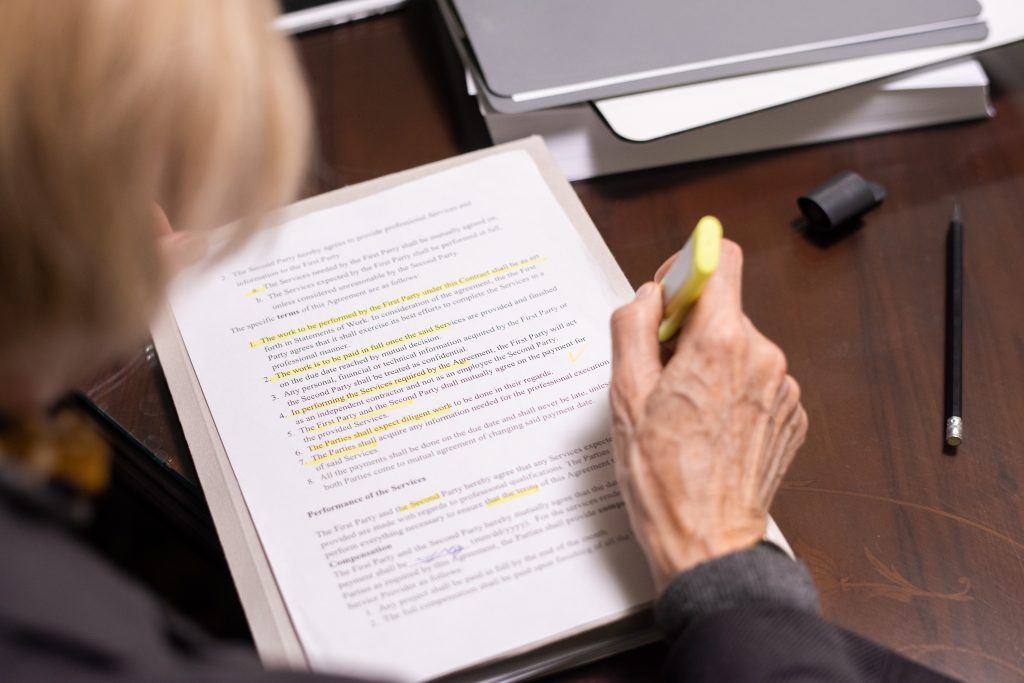
Developmental editing is the foundation. Plot holes get flagged, pacing that drags gets called out, characters who still feel flat get pushed further. Nothing after this stage matters if the foundation isn’t solid yet.
Line editing is the framing most people forget to budget for. Someone goes sentence by sentence and asks whether your writing actually sounds like you, whether a scene drags, whether a line lands the way you meant it to.
Copy editing is where the walls go up straight. Grammar, punctuation, consistency, the stuff readers notice immediately even when they can’t name what’s wrong. This is where someone catches your character’s eyes changing color from chapter two to chapter twelve.
Proofreading is the final walkthrough before anyone moves in. Typos, formatting, a missed period. If your proofreader is flagging structural problems, you skipped a step and you’re going to pay for it twice.
What Type of Book Editing I Need?
Pay attention to what’s actually bothering you when you reread your own manuscript. Rewriting whole chapters or characters who still feel flat means developmental. A structure that holds up but sentences that sound clunky means line editing. Mostly catching typos and inconsistent details means you’re ready for copy editing or proofreading.
If none of that is clear, ask an editor for an editorial assessment before committing to anything. It’s a short paid read where they tell you exactly what stage your book is at, so you’re not guessing, and you’re not paying for the wrong service twice.
How Do I Know If A Book Editor Is Qualified?
Anyone can call themselves an editor. There’s no license for it, no exam required, nothing stopping someone from putting “professional book editor” on a website the week they decide to try it. That’s not a reason to distrust every freelancer, most are legit, it’s the reason the vetting is on you.
- Real credentials, when they exist. Letters like “AE” after a name mean someone passed IPEd’s accreditation exam and keeps renewing it. Editors Canada hands out titles like Certified Copy Editor to people who passed an actual exam, not just paid a membership fee. Plenty of great editors don’t have either one, but if they do, it means something concrete.
- A portfolio in your specific genre. Ask what they’ve worked on and look those books up yourself.
- References from real past clients
- A sample edit on your own pages.


Genre fit matters just as much as credentials. A romance editor and a technical manual editor are reading for completely different things, pacing, tone, what the audience forgives and what it won’t. An editor without genre experience isn’t a bad editor, they’re just going to miss what a specialist would catch immediately.
Editing isn’t a regulated profession, so most associations don’t verify every claim on a member’s profile. Treat any list as a shortlist and let the sample edit make the final call.
What Should I Look For In A Book Editor?
Some editors are blunt. They’ll tell you a chapter isn’t working and move on to the next note. Others soften everything and check in before they cut a single line. Neither style is wrong, but the wrong one for you turns a helpful edit into a miserable few weeks.
Compatibility matters a lot for developmental and line editing as this is when you’re working closely with someone for weeks or months. Copy editing and proofreading lean more technical, less about rapport and more about catching what’s actually on the page, so fit carries less weight by that point.
Here a few ways to check before you hire a book editor:
- Schedule a meeting. Ask about their process up front, how they communicate, what turnaround looks like day-to-day, and what they need from you.
- Request a sample edit. Pay attention to the comments and corrections. Are they explaining why something isn’t working or just marking it?
- Trust your gut. If a five minute call feels like pulling teeth, six weeks of edits will feel worse.
How Much Does a Book Editor Cost?
It depends on what type of book editing you need. Book editing rates vary more than any other service in publishing. For an 80,000-word novel, the Editorial Freelancers Association’s 2026 rate chart puts proofreading at $960 to $1,600, copy editing at $1,600 to $2,160, line editing at $2,160 to $2,800, and developmental editing at $2,400 to $2,800.
That’s just the baseline. Premium developmental editors with publishing house experience often charge between $0.08 and $0.12 per word. That means for an 80,000-word developmental edit it costs $9,000. The gap comes down to experience and demand, not a fixed industry rate.
Rush turnaround typically adds 25 to 50 percent to the quote. Manuscript condition matters too, a messy first draft takes longer to copy edit than a clean one, and some editors charge more for it. And newer editors building a portfolio often price below the EFA median, so a strong sample edit from someone newer can end up being a better deal than a big name charging twice as much.
Get a quote based on your actual word count, not a flat estimate off a blog post. Any editor worth hiring should be able to break down what’s included before you commit to anything.
Can AI Replace My Book Editor?
AI can replace your book editor but not the parts that matter the most for the overall book. Grammarly, ProWritingAid, and Hemingway Editor are the most popular AI book editors in 2026. They catch the basic grammar issues, help readability, and flag any repeated words. However, none of them can tell you if your eighth chapter contradicts what you set up or referenced in chapter one. Anything that requires judgement, story logic, voice, or structure, requires a person.

Instead, set up your workflow to start with you, AI, then editor. Run your draft through an AI grammar checker as part of your own self-edit, fix what it finds, then hand the cleaner draft to your editor. The software catches what’s cheap to catch. Your editor spends their attention on what only a person can judge.
If you’re using an AI editor and you’re self-publishing, check the platform you’re publishing on to see if they have any AI disclosure requirements. Amazon KDP doesn’t require you to disclose AI-assisted editing. Disclosure only applies if AI wrote the content. Even if you rewrite what an AI bot gives you, this still requires disclosure. If authenticity matters to you, the Authors Guild launched a Human Authored certification in 2026 that lets you formally certify your book was written by a person.
Overall, a premium grammar checker subscription costs less than a professional copyedit. That comparison is a bit misleading though, since you’re not buying the same thing. The subscription buys unlimited surface-level checking. The professional fee buys judgment, a style sheet, and someone accountable for the result.
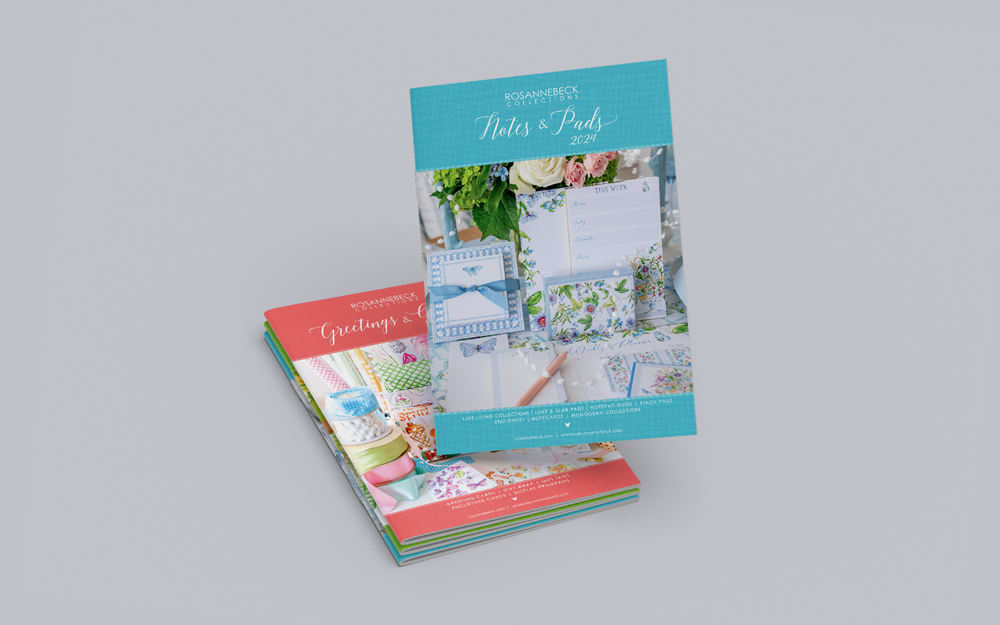
How to Print your Book at PrintingCenterUSA
Ordering book printing from PrintingCenterUSA is super easy. Just select your specs, upload your PDF, review your proof, and approve your proof to send your book into production. Orders ship depending on your shipping selection. Our team will review and prep your files for production but if you aren’t sure about preparing your files, try one of our free Adobe templates or our free online design tool to ensure margins, bleed, and safety are preset to save you time. Skip the design and check out our hire a designer program!
Best Book Printing Specs
- Cover stock: 80 lb or 100 lb cover with UV high gloss or soft touch matte finish.
- Binding for books: Saddle stitch for shorter books under 92 pages, perfect binding for longer books.
- Paper for writable books: 60 lb or 70 lb uncoated text.
- Paper for reference-only books: 80 lb matte text.
- Standard sizes: 5.5 x 8.5, 6 x 9, 8.5 x 11.
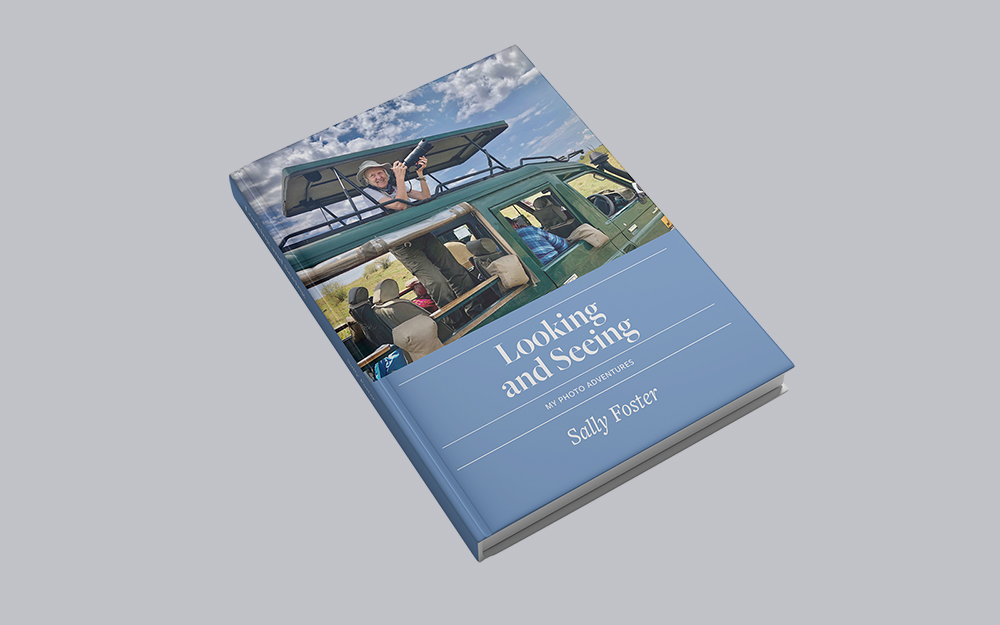
How to Keep Book Printing Costs Low
Order at standard sizes. Custom sizes cost more. Sticking to 8.5 x 11 or 5.5 x 8.5 keeps your per-unit cost lower. Order small quantities when you are making multiple revisions in a year or one large order if revisions happen once a year. Consider black and white printing to save on ink costs. Uncoated paper is the functionally correct choice and costs slightly less than coated stock.
FAQ on How to Find a Book Editor
How much does it cost to hire a book editor?
For an 80,000-word novel, expect $960 to $1,600 for proofreading, $1,600 to $2,160 for copy editing, $2,160 to $2,800 for line editing, and $2,400 to $2,800 for developmental editing, based on the EFA’s 2026 rate chart. Premium editors with publishing house experience can charge significantly more.
Who will edit my book for free?
Beta readers and critique partners on platforms like Scribophile and Critique Circle will read and give feedback for free, though it won’t be a professional-level edit. It’s a solid first pass before you invest in a paid editor.
Do book editors still exist?
Yes. AI tools like Grammarly and ProWritingAid handle grammar and readability well, but they can’t judge story logic, voice, or structure the way a human editor can. Most successful authors use both, AI for a first pass, a human editor for the real work.
What are the five types of editing?
Editorial assessment, developmental editing, copy editing, proofreading, and fact-checking (for nonfiction) is the most common five-stage breakdown. Not every book needs all five, it depends on where the manuscript is in the revision process.
What are the six types of editing?
Some editors split the process further into developmental, structural, line, copy editing, proofreading, and fact-checking. The exact count varies by editor since terms like “structural” and “developmental” sometimes overlap.
Does JK Rowling use an editor?
Yes. Barry Cunningham edited the first Harry Potter book at Bloomsbury in the UK, and Arthur A. Levine edited the US editions at Scholastic. Even bestselling authors go through professional editing.
Ready to Print Your Book?
Not sure how to get your file print-ready? Use our free online design tool, download a free Adobe template for your book size and binding type, or connect with a professional through our Find a Designer service. Our automated 43-point file inspection checks your file before it goes to press. Start your book today!